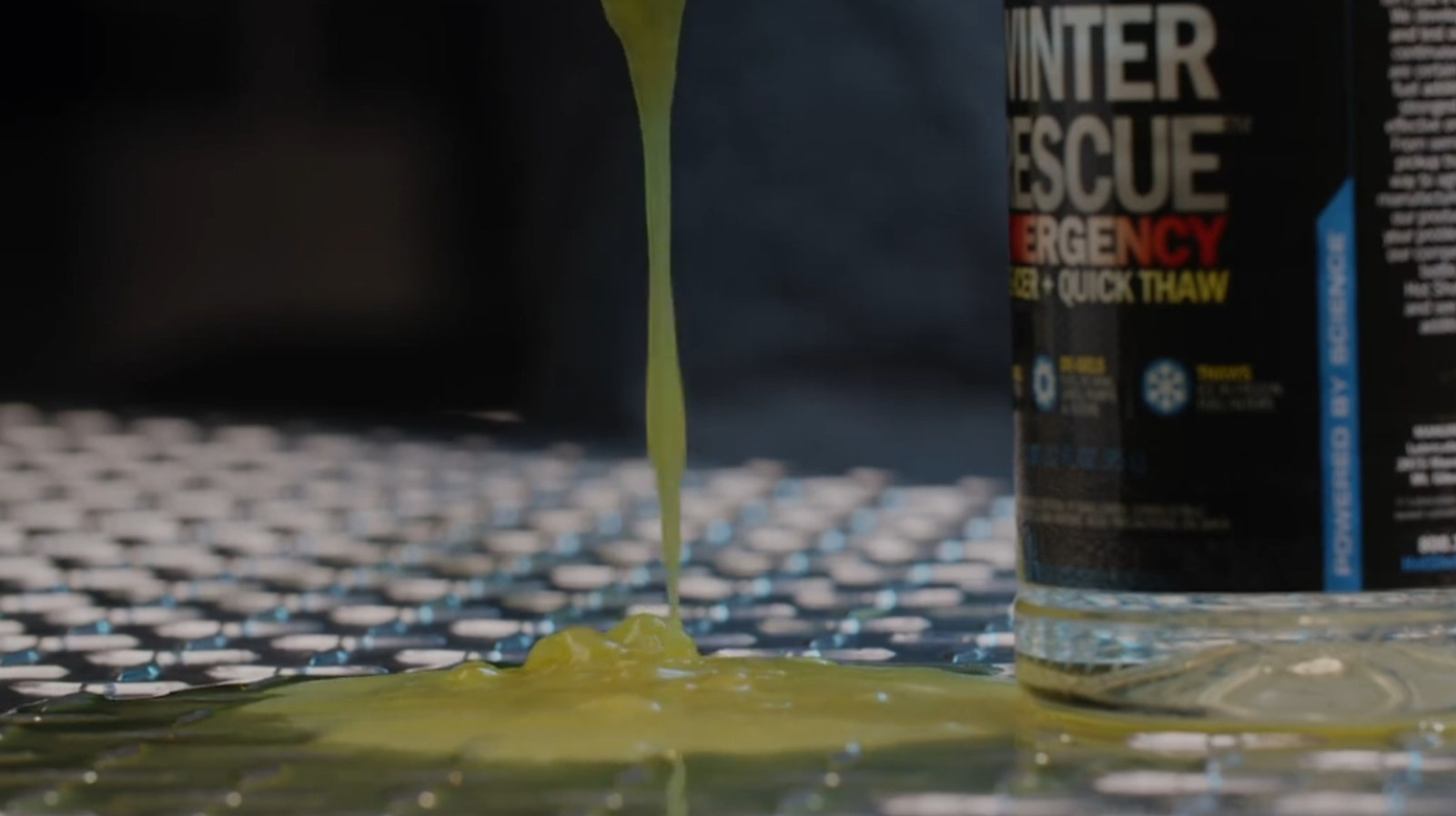
UPDATE: Diesel fuel is facing a critical challenge this winter as temperatures plunge, causing it to gel and potentially ruin engines across the nation. Experts warn that when temperatures drop below 15 degrees Fahrenheit, diesel fuel can transform from a liquid into a gel-like substance, leading to severe operational issues for drivers.
When the mercury falls to between 10°F and 15°F, paraffin wax in diesel begins to crystalize, causing fuel filters to clog and restricting flow. This gelling phenomenon can starve diesel engines of the necessary fuel supply, leading to hard starts, rough idling, and even complete stalls. The impacts are immediate and alarming, as drivers may find themselves stranded in freezing conditions.
Gasoline engines, in contrast, remain unaffected by these temperature drops due to the absence of paraffin wax. While gasoline can freeze in extreme conditions, it does not crystallize in a way that disrupts fuel systems. Diesel drivers are urged to take proactive measures to avoid the challenges posed by gelling fuel this winter.
If your diesel fuel has already gelled, action is needed. Experts recommend moving your vehicle into a heated garage or applying external heat to the engine and fuel system using tools like an engine block heater. This process can take several hours, depending on how severely the fuel has gelled. Additionally, applying a de-gel treatment designed to re-liquefy wax can help restore proper fuel flow.
To prevent gelling before it happens, experts suggest using winter-blend diesel, ideally a 70/30 blend (70% diesel #2 and 30% diesel #1). Adding anti-gel additives, such as cold flow improver, ensures that fuel flows smoothly even in frigid temperatures. Keeping your fuel tank relatively full will also help reduce condensation that can contribute to gelling.
Authorities emphasize that understanding diesel fuel’s behavior in cold weather is crucial for maintaining performance during winter months. “Diesel doesn’t fail in winter; it simply has problematic behavior in the cold,” says an industry expert.
As winter weather sets in, drivers are reminded to prepare adequately to avoid one of the worst winter driving experiences possible. With temperatures expected to drop further in many regions, now is the time to take action and safeguard your diesel engine from gelling issues.
Spread the word to fellow diesel drivers and stay informed about the latest developments in winter fuel management.