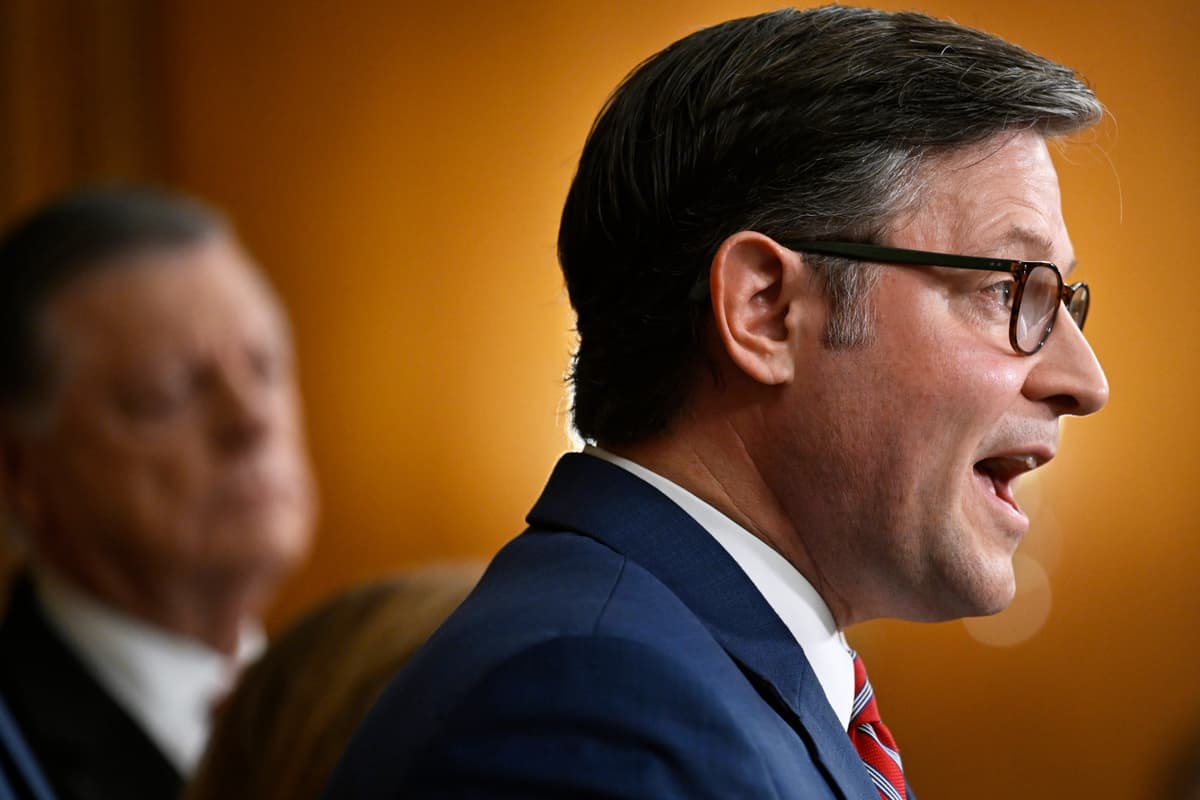
UPDATE: The clock is ticking as health care costs skyrocket, with Congress failing to extend crucial tax credits under the Affordable Care Act before the December 31 deadline. Speaker Mike Johnson and his colleagues are under increasing pressure as premiums soar by triple-digit percentages for millions of Americans.
With Congress poised to enter recess in just two weeks, bipartisan efforts are intensifying to address this urgent crisis. Earlier today, a coalition of 35 House Republicans and Democrats convened in the Capitol to demand a plan that will keep health care subsidies in place for the next two years. Their proposal includes lowering the income cap for eligibility and extending open enrollment until next spring, while also targeting inflated prescription drug prices.
Congressman Mike Lawler declared, “We have a responsibility before the end of the year to pass a bill that will address the issue of health care costs in this country.” His call comes amidst growing alarm as 22 million Americans face the prospect of paying thousands of dollars more for health care.
The urgency of the situation cannot be overstated. The current proposal led by Senate Democrats, aimed at a clean extension of subsidies, is expected to fail in the Republican-controlled Senate. Meanwhile, Senator John Thune has indicated that Democrats could bring their proposal to the floor before year-end, but without bipartisan support, its fate remains uncertain.
The internal divisions within the Republican Party complicate matters further. The hardline House Freedom Caucus has been vocal in its opposition to extending the ACA subsidies, insisting that such measures should be temporary. They argue that expanded tax credits have allowed higher-income Americans to benefit from government assistance, which they claim undermines the program’s original intent.
As a result, Johnson faces significant challenges from both sides of the aisle. “Doing nothing is not an option,” warned Republican Congressman Kevin Kiley, emphasizing the dire consequences of inaction. He criticized the House leadership for a lack of progress during the recent government shutdown, which left lawmakers sidelined for eight weeks when bipartisan negotiations could have occurred.
The stakes are high. If Congress cannot act swiftly, millions of Americans will find themselves grappling with exorbitant health care costs at the start of the new year. The situation has escalated into a critical issue, with lawmakers urgently rallying for a solution.
As the legislative clock ticks down, all eyes are on Congress. Will they find common ground in time to avert a health care crisis? The next few weeks will be pivotal in determining the future of health care costs in America. Stay tuned for further updates as this developing story unfolds.