BREAKING NEWS: A troubling situation has emerged within a local 12-step program as a sponsee expresses serious concerns over their sponsor’s trustworthiness. The sponsee, known as “Overshared,” has reported that their sponsor, “Sally,” publicly disclosed sensitive details about another member’s struggles during a group meeting, raising significant questions about confidentiality.
Overshared’s experience highlights a critical breach of trust that could impact recovery journeys for many involved. During a recent meeting attended by 15 members, Sally shared extensive details about a fellow sponsee who was not present, describing their ongoing battle with addiction in a way that left Overshared feeling unsafe and vulnerable.
The emotional fallout is palpable, as Overshared grapples with the fear that personal struggles could also be exposed. “I have lost trust in my sponsor,” they stated, emphasizing the importance of a safe environment for recovery. This incident has left many questioning the integrity of group dynamics and the responsibilities of sponsors.
According to recovery experts, the sharing of personal information within support groups is governed by strict rules of anonymity and confidentiality. Violating these principles not only undermines individual trust but can also derail the recovery process. Overshared noted, “Perhaps she could have discussed it confidentially with her own sponsor,” reinforcing the need for sponsors to manage their own emotions responsibly without endangering their sponsees.
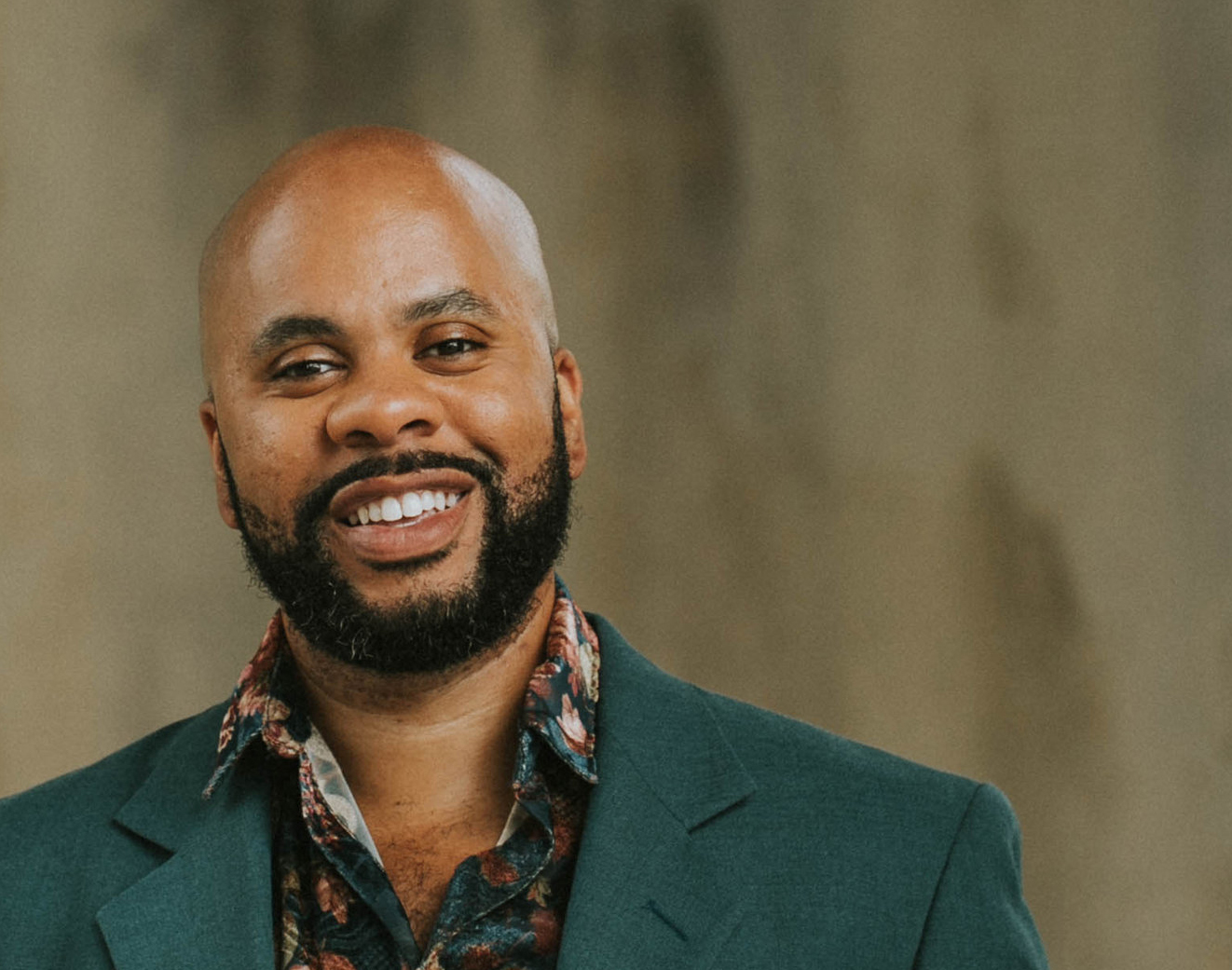
In response to this distressing situation, Eric Thomas, a renowned advice columnist, has weighed in, suggesting that Overshared consider finding a new sponsor if they continue to feel unsafe. “The goal isn’t to fix her,” he advised, highlighting the importance of prioritizing one’s own recovery journey. This pivotal guidance could lead to significant changes in the dynamics of the group.
As the situation develops, it raises critical questions about the role of sponsors, the ethical standards expected within support groups, and the emotional toll on individuals seeking help. Overshared’s experience serves as a cautionary tale for those involved in recovery programs, urging members to advocate for their own safety and well-being.
For those affected by similar issues, it may be time to reassess the dynamics of their support networks. The need for open communication about boundaries and trust has never been more urgent. As this story unfolds, many will be watching closely to see how Overshared navigates this challenging situation and what steps they will take moving forward.
Stay tuned for further updates on this developing story, as its implications resonate with anyone involved in recovery or support programs.