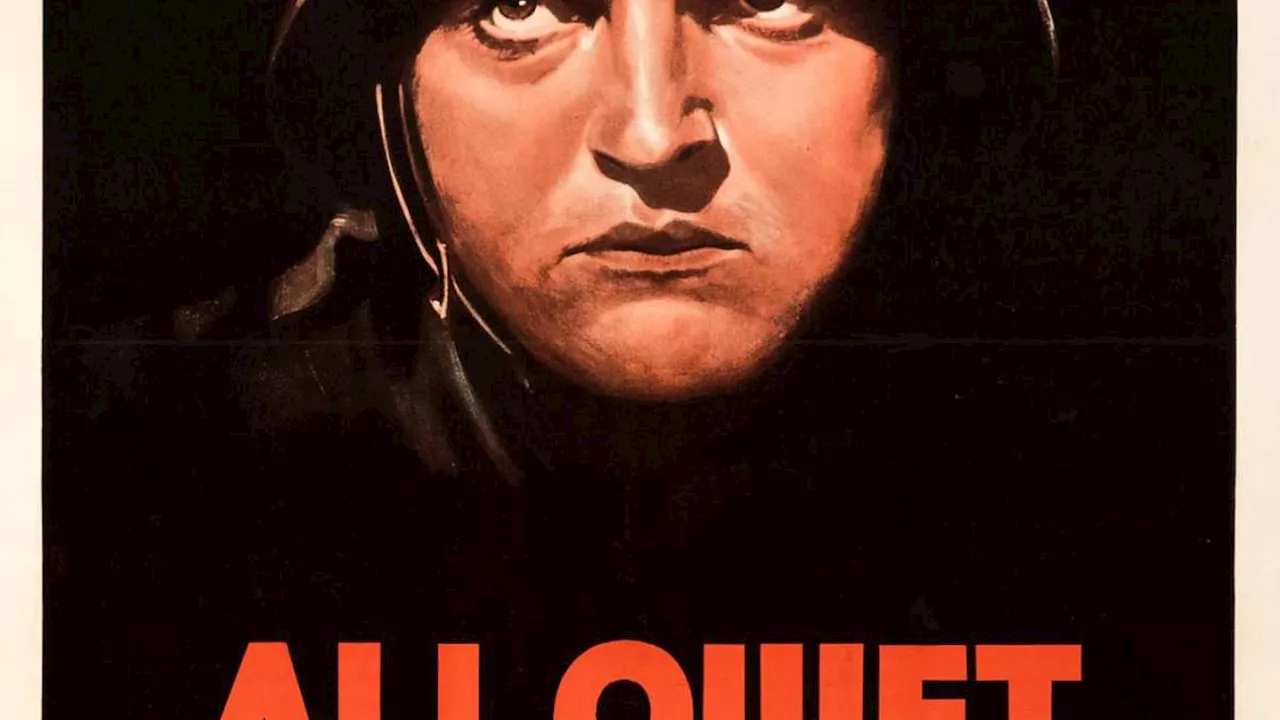
URGENT UPDATE: The legacy of All Quiet on the Western Front is experiencing a powerful resurgence as film adaptations continue to captivate audiences. Collider has just released an in-depth overview of this iconic work, highlighting its enduring impact on cinema and culture. This exploration is particularly relevant as the latest adaptations gain traction, including the acclaimed Netflix film released in 2022.
The original 1930 film set a benchmark for anti-war narratives, delivering a haunting portrayal of the horrors of World War I. This classic continues to resonate today, prompting discussions about the futility of war and the emotional toll it inflicts on soldiers. As global conflicts persist, the relevance of Remarque’s message is more critical than ever.
Collider’s comprehensive analysis dives into the artistic choices of various directors and the performances of stars like Daniel Radcliffe, who is set to headline a future adaptation. The article emphasizes how these adaptations reflect evolving interpretations of Remarque’s themes, providing fresh insights into the narrative’s bleak realism.
In a striking comparison, the piece also examines the technical aspects of filmmaking—from set design to costume choices—that enhance the storytelling experience. It sheds light on the production challenges faced by filmmakers and how these hurdles impact the final product’s quality.
“The anti-war message of All Quiet on the Western Front transcends time,”
Collider notes, echoing sentiments from film historians and critics alike. As the article reveals, directors like Mimi Leder are committed to telling historically significant stories, making films like this not just cinematic achievements but essential cultural commentaries.
Additionally, the article references the recent restoration of classic films by Universal Pictures, underscoring the ongoing interest in preserving cinematic history. The exploration of Groucho Marx’s humor in relation to the narrative adds a unique layer, blending historical context with cultural insight.
As the adaptations of All Quiet on the Western Front continue to evolve, the demand for stories that confront the brutal realities of war remains high. The piece urges readers to keep an eye on upcoming projects and adaptations, emphasizing the continuing relevance of this powerful narrative.
For those interested in the latest developments in cinematic adaptations and the film industry at large, Collider’s detailed exploration is a must-read. Stay tuned as we follow the evolving legacy of this timeless anti-war narrative and its impact on modern storytelling.