UPDATE: The situation in Venezuela escalated this morning as US President Donald Trump announced a unilateral military action, citing the need to secure the country’s vast oil reserves. This development raises urgent questions about the implications of oil dependency on global conflict.
The US claims operations commenced smoothly, but Trump has been criticized for his motives, which he explicitly stated revolve around oil acquisition. Observers are drawing parallels to past conflicts, emphasizing that the dependency on oil has historically fueled wars and geopolitical strife.
Trump’s actions come amidst ongoing tensions in global energy markets. The US Department of Defense acknowledges that climate change and oil dependency are significant threats that can drive international conflict. This morning’s military operation is a stark reminder of how oil continues to be at the center of geopolitical tensions.
Since the 20th century, numerous conflicts have been linked to oil, including Russia’s annexation of Crimea in 2015, which was heavily influenced by Europe’s reliance on Russian gas. As Europe strives to reduce its dependency on oil, the urgency to transition to electric vehicles (EVs) becomes increasingly apparent.
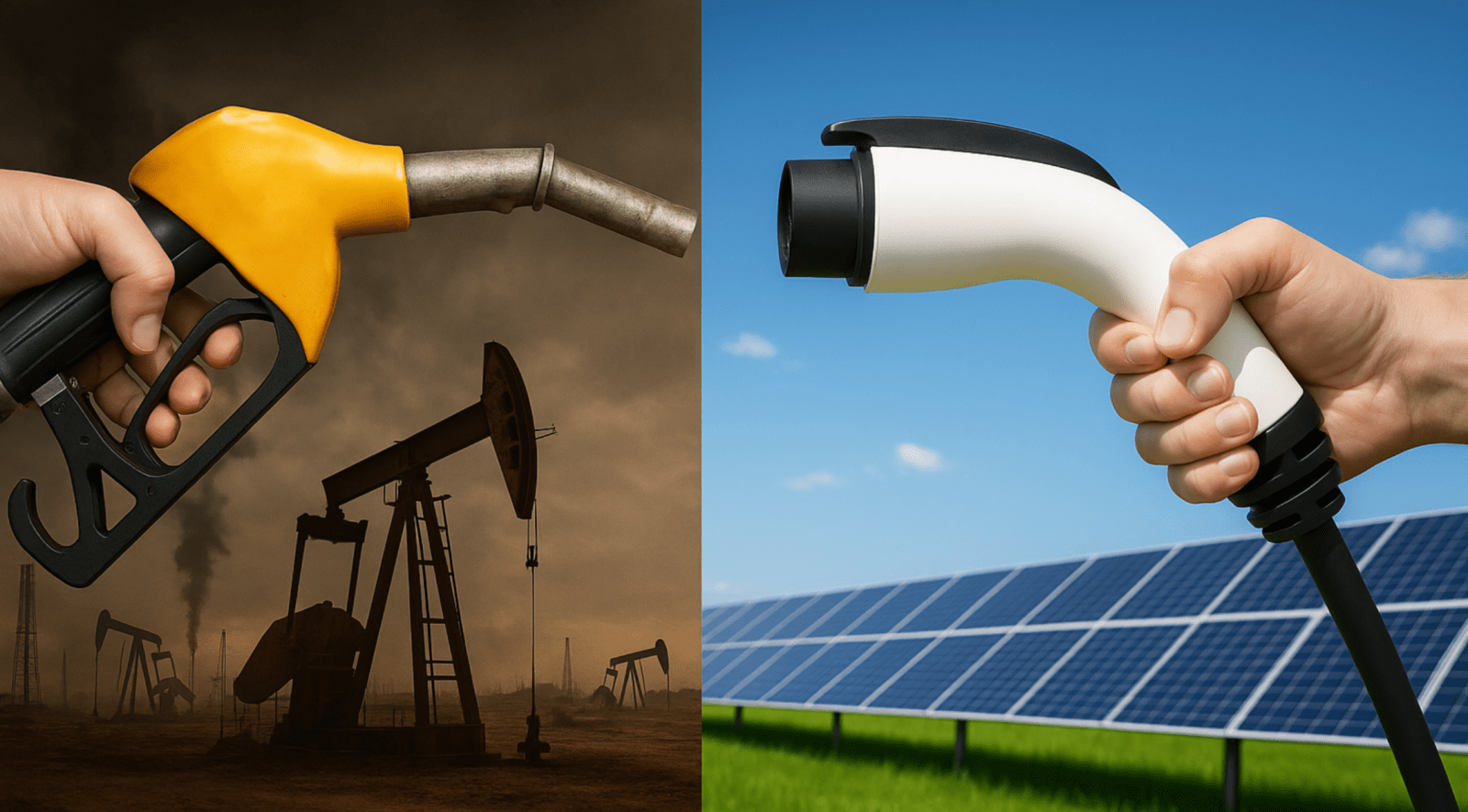
EVs represent a viable solution to diminish oil demand significantly. Currently, a substantial portion of oil consumption is tied to transportation, particularly light-duty vehicles. By shifting towards electric transportation, countries can enhance their energy independence, reducing the likelihood of conflicts over oil.
Notably, global trends show a decline in oil consumption. In the US, oil usage peaked in 2019 and has not returned to that level since the significant drop in 2020. This decline is largely attributed to the rise in EV sales and other energy-efficient technologies.
Countries like Norway have already surpassed their peak oil demand, while China is on the verge of doing the same. Experts predict that by the end of this decade, the entire planet will witness a decline in oil demand driven by advancements in technology and energy efficiency.
In light of today’s events, the urgency for nations to accelerate the transition away from oil cannot be overstated. The faster we pivot towards renewable energy and EVs, the sooner we can mitigate the risk of conflicts like the one unfolding in Venezuela.
Moreover, the transition to electric vehicles is not just an environmental issue; it has profound implications for global peace and stability. With oil as a global commodity, reducing consumption in any region impacts the power dynamics of oil cartels, limiting their influence and ability to instigate conflicts.
For individuals looking to contribute to this shift, installing solar panels to power electric vehicles at home is an immediate step. Services like EnergySage offer comparisons of solar installers, ensuring competitive pricing and quality solutions.
The events in Venezuela serve as a stark reminder of the urgent need to address global oil dependency. As nations navigate these complex geopolitical landscapes, the push for electric vehicles and sustainable energy must become a priority to avert future conflicts.
As this story develops, further updates will provide insights into the international response and the evolving situation in Venezuela.