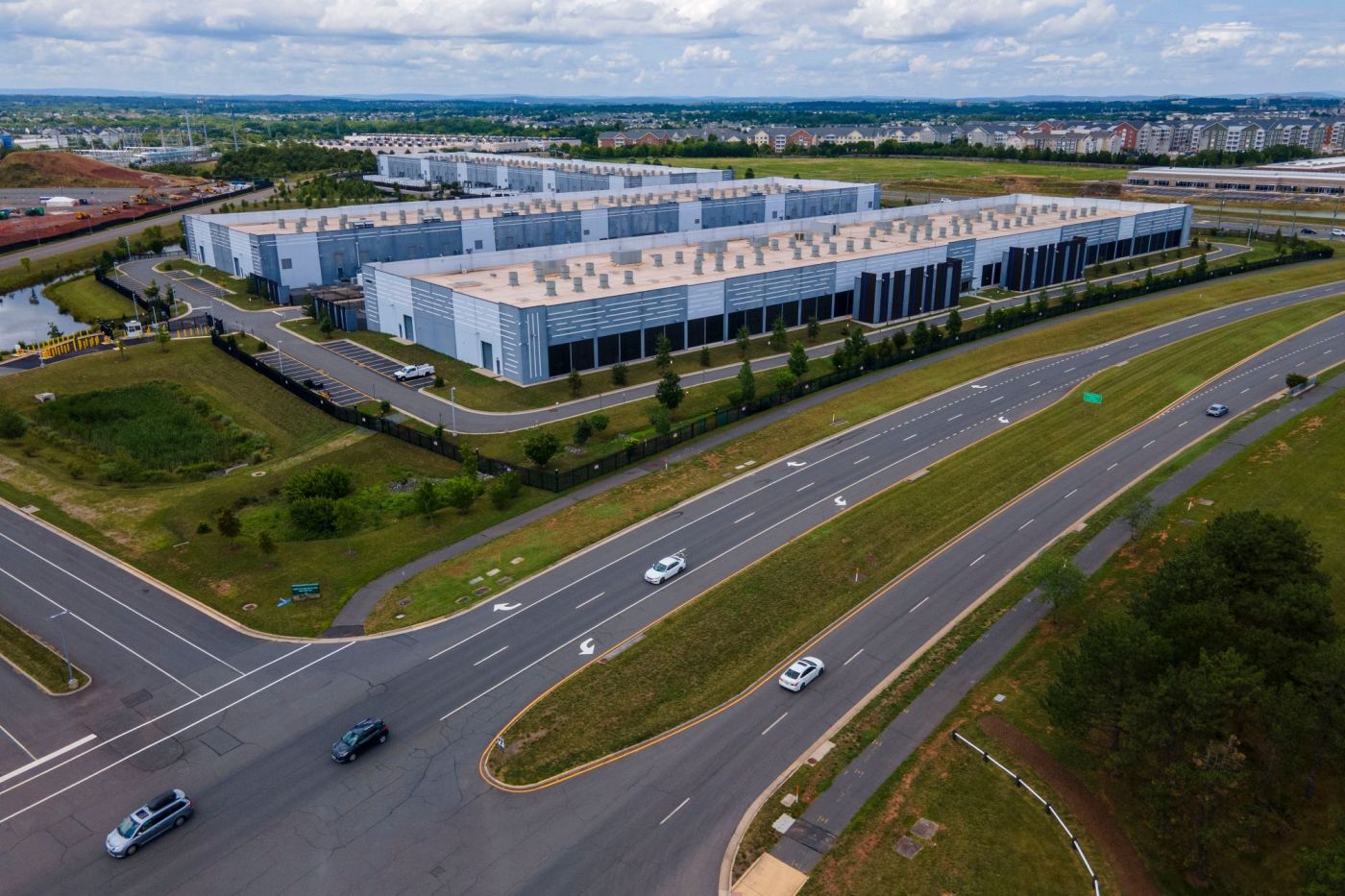
UPDATE: The Virginia General Assembly faces a growing crisis as over 60 data center-related bills have stalled, with many left hanging in committee. Just two weeks remain in the legislative session, and advocates fear critical legislation to manage data center growth will fail to pass.
In Richmond, the legislative session has seen numerous bills aimed at regulating data centers, yet nearly half are either postponed to next year or abandoned entirely. Advocates like Chris Miller, president of the Piedmont Environmental Council, express deep concern that the remaining legislation won’t sufficiently address the environmental impacts of unchecked data center expansion.
“It’s terrifying that we’re not even asking the question, ‘do we have enough water to meet that demand?’” Miller stated, highlighting the intense pressure data centers place on Virginia’s resources. According to the Electric Power Research Institute, data centers already consume over 20% of the state’s electricity, a figure projected to soar to between 39% and 57% by 2030.
New reports indicate that the infrastructure investment required to support this growth could reach between $400 billion and $500 billion. As the demand for energy and water escalates, Miller emphasizes the missed opportunity for the General Assembly to take decisive action this year.
Two significant bills—SB619 and SB339—aim to give the State Corporation Commission (SCC) more authority over data centers. SB619 would mandate that new high-load facilities secure approval from the SCC and demonstrate plans for energy storage or demand reduction measures. Despite passing the Senate with bipartisan support, it was tabled by a House subcommittee earlier this week.
Meanwhile, SB339, which seeks to assess the cost allocation of energy transmission from high-load customers, also passed the Senate unanimously but faces delays. Miller warns, “The House must realize that this isn’t sufficient. We need more significant action to rein in the rapid approval of data centers.”
Governor Abigail Spanberger has yet to comment on whether she supports additional regulatory measures for data centers. As the clock ticks down, advocates continue to push for a stronger legislative package to tackle these pressing issues.
Water usage is another critical concern. Large data centers can consume an estimated 5 million gallons of water daily to cool their servers. A recent report by the Joint Legislative Audit and Review Commission revealed that while Virginia’s water use remains sustainable, the demand is on the rise and poorly managed.
The failed HB589 bill, which would have mandated water utilities to report data center water usage, highlights the legislative struggle to address these challenges. A substitute bill with looser requirements is pending in the House, likely headed for conference to reconcile differences.
Several other measures have progressed, including mandates for public utilities to implement demand flexibility programs and emissions standards for data centers. Legislators are also debating the potential expiration of sales and use tax exemptions for data centers, which could generate nearly $1 billion in revenue.
Proponents of data centers argue that the industry significantly benefits Virginia’s economy, contributing $9.1 billion annually and supporting 74,000 jobs. However, critics warn that this growth must be balanced against the strain on essential resources.
As the Virginia General Assembly heads toward a critical deadline, the fate of data center regulation hangs in the balance. The urgency for comprehensive legislative action has never been clearer. Now is the time for the Assembly to act decisively before the opportunity slips away.
Stay tuned for developing updates as the situation unfolds in Richmond.