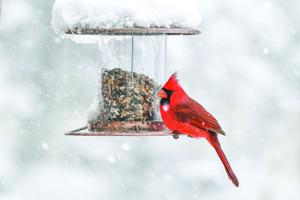
URGENT UPDATE: As winter sets in, bird populations face critical food shortages, making it essential for residents to take action NOW to support their feathered friends. Bird feeders and native plants can offer much-needed sustenance during these cold months.
Recent reports confirm that many birds struggle to find adequate food sources as temperatures drop. Birdwatchers and nature lovers can make a significant difference by placing bird feeders filled with seeds and berries in their yards. This simple act not only provides nourishment but also enhances the joy of watching birds from home.
Experts encourage homeowners to act immediately to maximize their impact. According to wildlife specialists, providing food in the form of sunflower seeds, peanuts, and other high-energy options can attract a variety of bird species. Residents are urged to set up feeders as soon as possible to ensure birds have access to food throughout the winter months.
In addition to feeders, planting native shrubs and trees that produce berries can create a sustainable food source for birds. This approach not only helps birds but also benefits local ecosystems by supporting biodiversity.
Why does this matter NOW? With winter officially beginning on December 21, 2023, the urgency to prepare for feeding birds cannot be overstated. As food scarcity becomes a pressing issue, your involvement can literally save lives.
Next Steps: Bird lovers are encouraged to check local resources for specific guidance on feeder placement and food options. Community groups and wildlife organizations are stepping up their efforts to educate the public about the importance of helping birds during winter.
In conclusion, helping birds during these cold months is not just a hobby; it’s a critical responsibility. Take action NOW—set up bird feeders and plant native species to ensure our avian friends thrive during this challenging season.
For real-time updates and tips, follow local wildlife organizations and stay engaged with community initiatives aimed at protecting our wildlife. Share this information widely to encourage others to join the effort!