UPDATE: President Volodymyr Zelenskyy of Ukraine has just announced a major overhaul of his national security leadership, appointing Kyrylo Budanov, the head of military intelligence, as his new chief of staff. This development comes as part of a “substantial overhaul” aimed at enhancing Ukraine’s resilience amid ongoing tensions with Russia.
In a decisive overnight address on November 3, 2023, Zelenskyy revealed that he plans to replace his defense minister and has named Mykhailo Fedorov, the vice prime minister and minister of digital transformation, as the new defense minister. This series of personnel changes signals a significant shift in Ukraine’s strategic approach as it navigates a complex political landscape and potential peace negotiations with Russia.
Zelenskyy emphasized the urgency of this leadership shake-up, stating, “Ukraine needs greater focus on security issues.” He indicated that this is just the beginning, promising that “more decisions will follow” in the coming days.
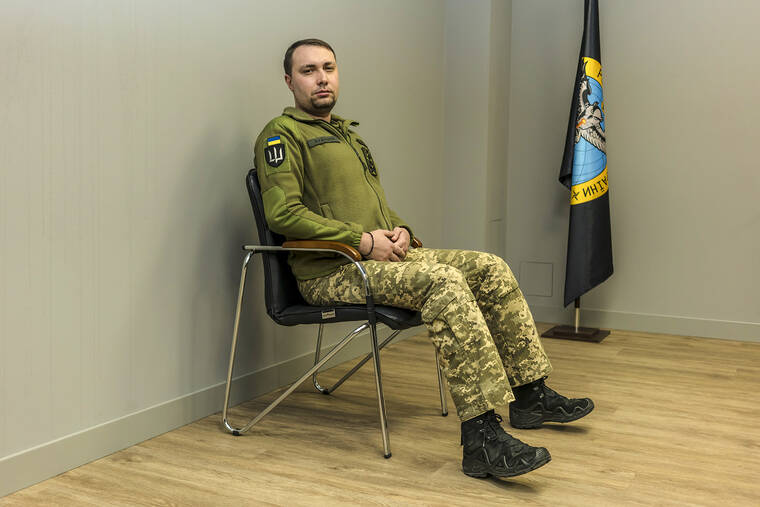
Budanov, 39, has been a prominent figure in Ukraine’s military since his appointment as military intelligence chief in 2020. He is known for his bold operations and has become a household name due to his strategic prowess in the ongoing conflict with Russia. His appointment not only fills the void left by the resignation of Andriy Yermak amid a corruption scandal but also positions him as a central player in Ukraine’s future political landscape.
“Kyrylo has specialized experience in these areas and sufficient strength to deliver results,” Zelenskyy stated in his announcement.
This leadership change comes at a critical juncture, as Ukraine and the U.S. are engaged in delicate talks aimed at establishing a ceasefire. Budanov, who has strong ties with U.S. officials and has previously undergone CIA-backed training, is expected to leverage these connections to advance Ukraine’s diplomatic and military strategies.
Political analysts suggest that Budanov’s new role diminishes the likelihood of him challenging Zelenskyy in future elections, especially as discussions around potential elections emerge following a ceasefire. Recent polling indicates that Budanov could outperform Zelenskyy in a presidential election, reflecting his significant influence and public support.
As part of the leadership transition, Oleh Ivashchenko, head of the Foreign Intelligence Service of Ukraine, has been appointed as Budanov’s successor at the military intelligence agency. This reshuffle not only impacts military strategy but also reshapes the broader intelligence community in Ukraine, which has been crucial in the ongoing war effort.
With Russia’s demand for elections and refusal to agree to a ceasefire complicating the situation, Zelenskyy’s decisions are poised to have far-reaching implications for Ukraine’s political future. The president has expressed openness to elections, but emphasized that a ceasefire must precede any votes.
As Ukraine stands at a crossroads, the implications of these personnel changes are significant. Budanov’s experience in covert operations and negotiations could play a pivotal role in shaping the country’s security and political landscape amid ongoing challenges. This urgent update marks a critical moment in Ukraine’s fight for sovereignty and stability.