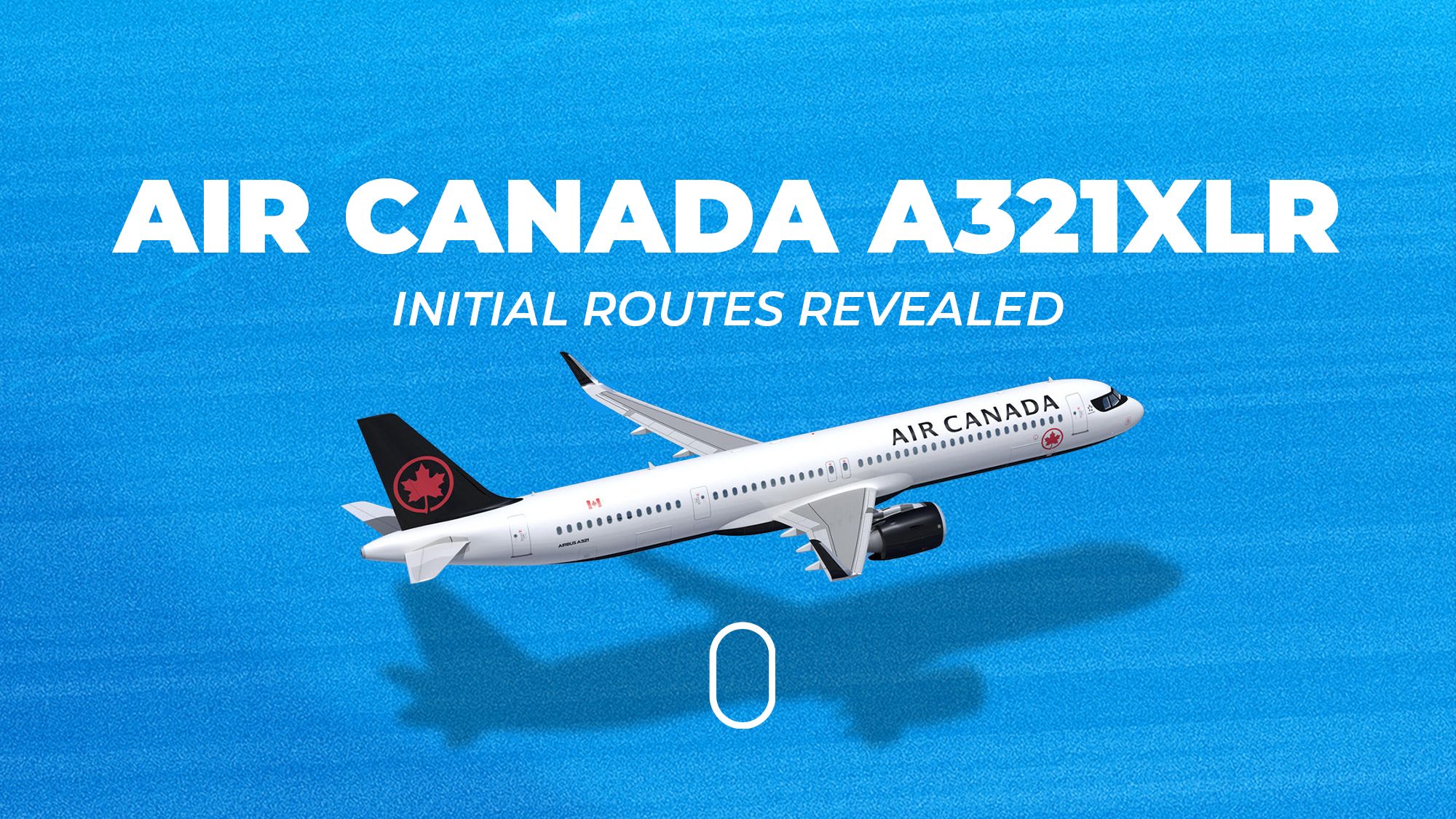
Air Canada has announced a significant expansion of its fleet by ordering 30 Airbus A321XLR aircraft. Initially expected to be delivered in 2024, the arrival of the first aircraft has now been postponed to early 2026. This addition marks a strategic move for the airline as it seeks to enhance its operational capacity and service offerings.
The A321XLR is designed for long-haul routes, providing greater range and efficiency compared to its predecessors. Each aircraft will feature a total of 182 seats, which aligns with industry standards for this variant. Of these, Air Canada will allocate 14 seats for a fully flat business class, catering to premium travelers, while the remaining 168 seats will be dedicated to economy class passengers.
Strategic Importance of the A321XLR in Air Canada’s Operations
The introduction of the A321XLR is part of Air Canada’s broader strategy to modernize its fleet and improve overall passenger experience. The airline’s commitment to enhancing comfort is reflected in the configuration that prioritizes both business and economy travelers.
The A321XLR is particularly noteworthy for its extended range capabilities, allowing Air Canada to operate on longer routes that were previously not feasible with its existing aircraft. This flexibility could open new markets and improve connectivity for travelers.
Furthermore, the A321XLR is expected to deliver operational efficiencies, which may translate into cost savings for the airline. The aircraft features advanced aerodynamics and fuel-efficient engines, aligning with the industry’s push for sustainability and reduced environmental impact.
As Air Canada prepares for the arrival of these aircraft, the airline is also focused on optimizing its flight schedules and enhancing its network to better serve its customers. The new A321XLRs will likely play a crucial role in this endeavor, providing a modern solution for the evolving demands of air travel.
In summary, Air Canada’s order of the A321XLR aircraft not only signifies a commitment to fleet modernization but also illustrates a strategic approach to meeting the dynamic needs of the aviation market. The anticipated arrival of these aircraft in early 2026 will undoubtedly have a lasting impact on the airline’s operations and customer offerings.