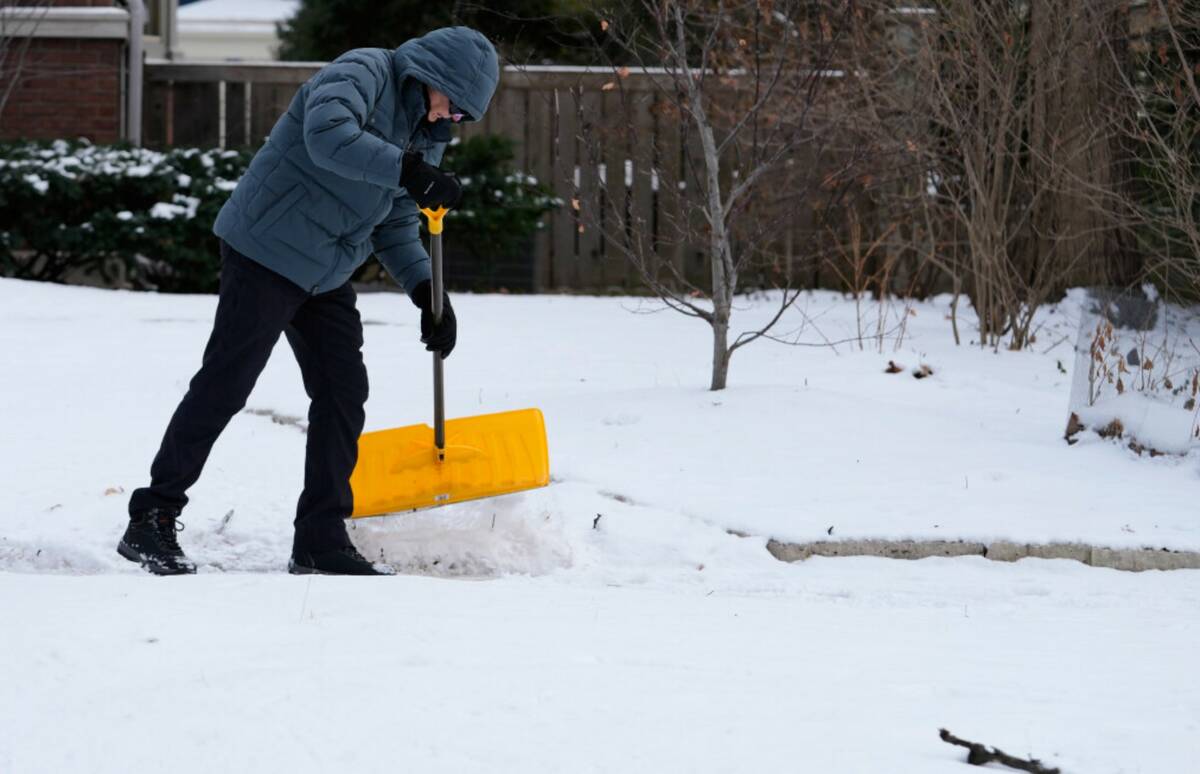
A powerful winter storm is disrupting travel across the United States, leading to widespread flight cancellations and delays. As of now, thousands of flights have been grounded, with forecasts predicting significant snow, sleet, and ice affecting nearly half of the U.S. population. The storm may cause damage comparable to hurricane conditions, prompting airlines to take action to assist travelers during this challenging period.
Know Your Rights as a Traveler
In the event of a flight cancellation, U.S. airlines are mandated to provide refunds to passengers. This obligation holds true even for non-refundable tickets. If your flight has been canceled and you choose not to travel, you are entitled to a full refund regardless of the circumstances surrounding the cancellation. This includes not only the ticket price but also any additional fees related to baggage or seat upgrades.
According to the U.S. Department of Transportation, refunds for credit card payments should be processed within seven business days after declining an alternative flight or voucher. For those who paid by check or cash, the refund is due within 20 calendar days.
Actions to Take Amid Flight Disruptions
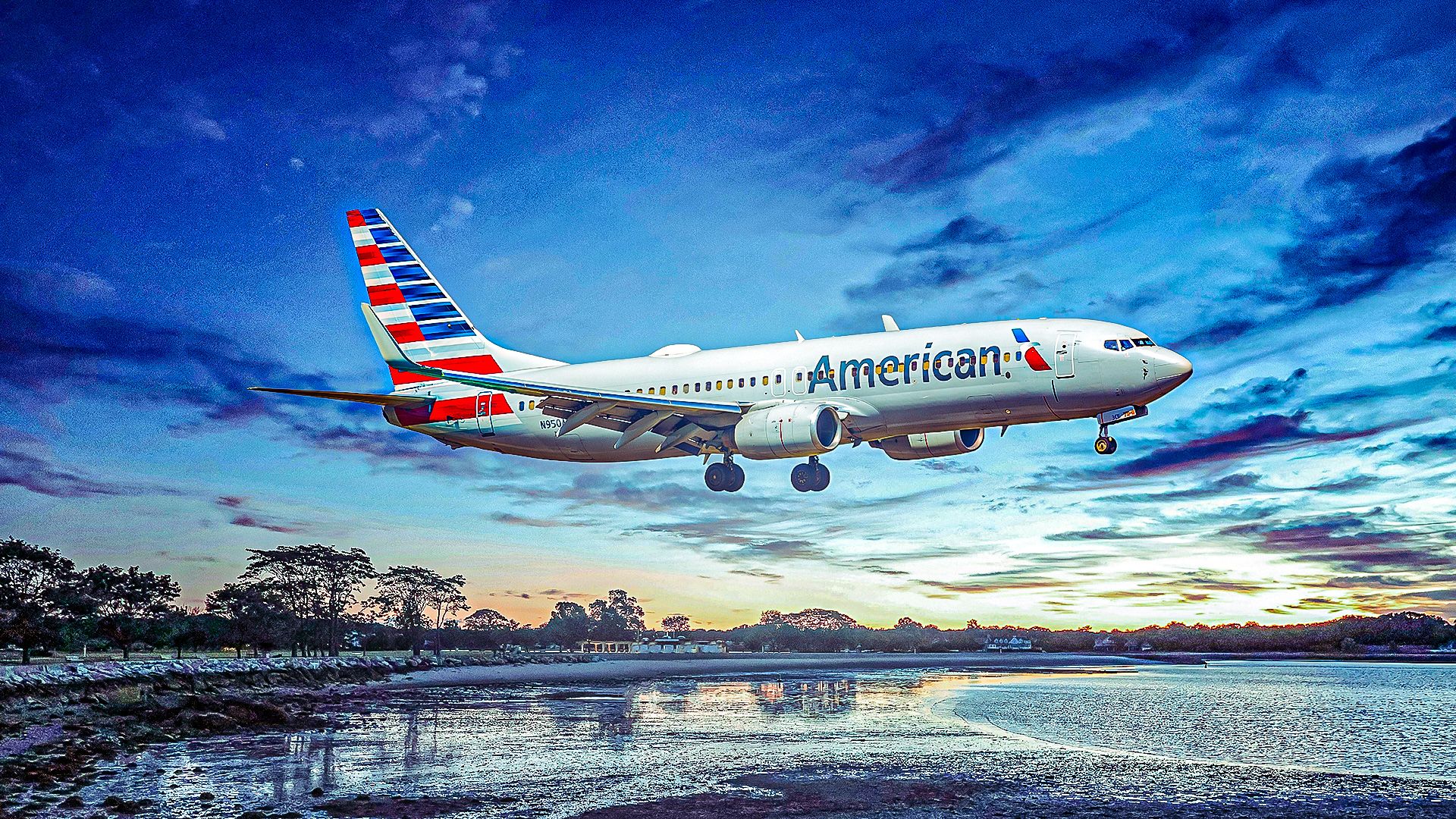
Travelers are encouraged to monitor weather forecasts closely as the storm progresses. Airlines often provide opportunities to reschedule flights without incurring change fees in anticipation of adverse weather conditions. For instance, American Airlines has waived such fees for passengers affected by the current storm, which has already resulted in over 1,200 cancellations for flights scheduled on Saturday, as reported by aviation analytics firm Cirium.
Before heading to the airport, it is advisable to check the airline’s app to confirm the status of your flight. Cancellations can occur hours or even days before departure times. If you find yourself at the airport with a canceled flight, you should connect with a customer service representative for assistance.
If you are not at the airport, contacting the airline’s reservations staff online or via phone can be beneficial. While most airlines will offer to rebook you on a later flight at no extra charge, availability may be limited.
It is important to note that airlines are not legally required to rebook you on a different carrier’s flight, although many of the largest airlines do have partnerships that may allow for alternative arrangements.
Compensation Policies Vary by Airline
While airlines are not obligated to cover costs related to meals or lodging during weather-related cancellations, they do have policies in place for “controllable” disruptions, such as those caused by maintenance issues or crew shortages. Passengers should familiarize themselves with their airline’s specific policies, as these can differ significantly.
The U.S. Department of Transportation maintains a website that provides insights into what each airline commits to in terms of passenger assistance during major disruptions.
For those concerned about future flights, travel expert Kyle Potter suggests considering backup flight options. Some airlines allow customers to receive a full refund if they cancel within 24 hours of booking, which can provide an additional layer of security amidst unpredictable weather patterns.
As the winter storm continues to impact travel, it is crucial for passengers to stay informed and understand their rights to navigate the situation effectively.