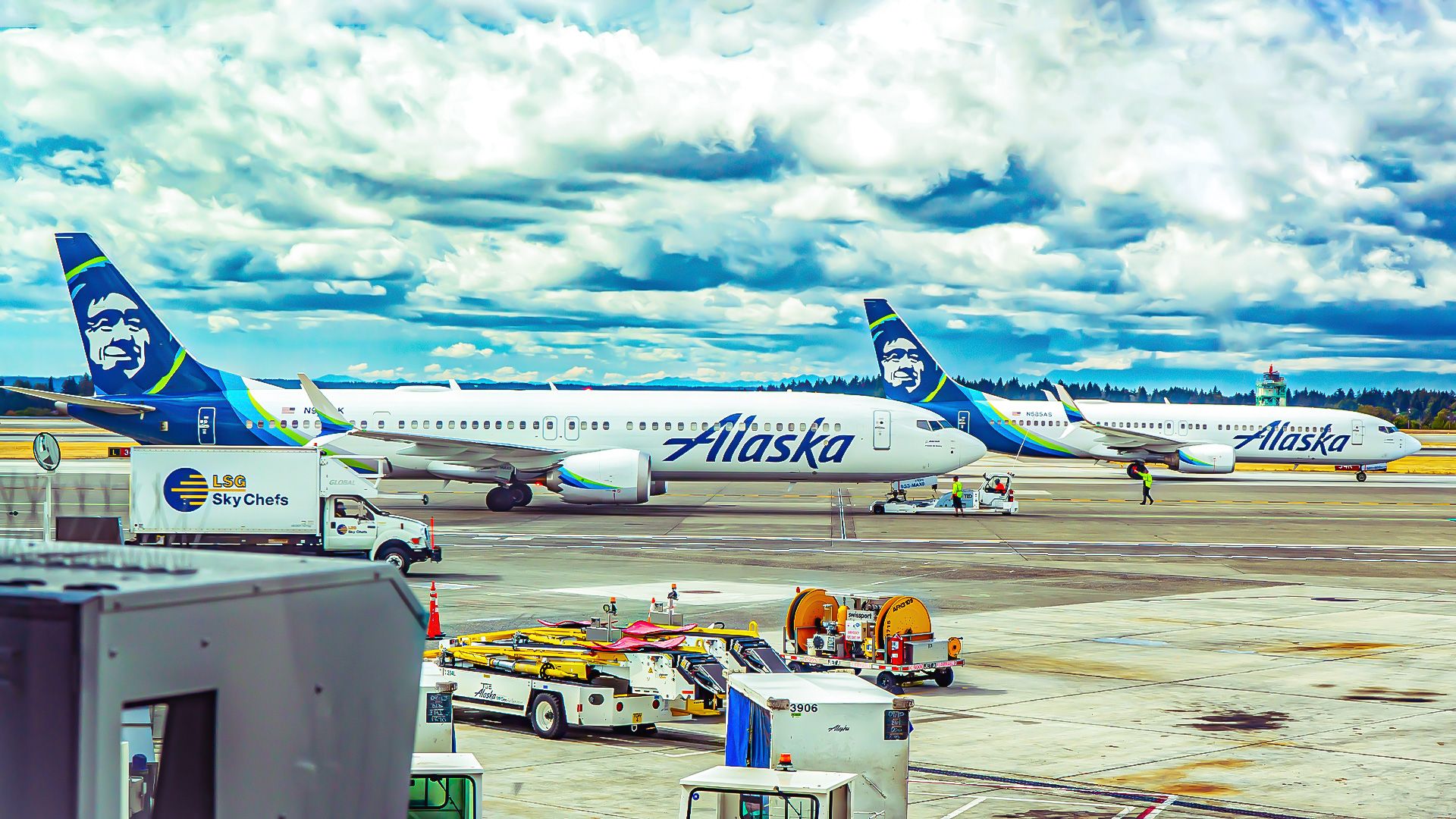
Alaska Airlines is contemplating a significant change in its fleet strategy following its acquisition of Hawaiian Airlines. As it plans to maintain Hawaiian’s brand as a separate subsidiary, discussions have emerged about potentially rebranding some Boeing 737 MAX aircraft in Hawaiian’s livery. This decision comes with a set of challenges, particularly given the differences between the two airlines’ fleets and operational focuses.
The merger between Alaska Airlines and Hawaiian Airlines marks a pivotal moment for both carriers. Alaska Airlines, which has primarily operated Boeing aircraft, including the Boeing 737, faces the task of integrating Hawaiian’s diverse fleet that includes the Airbus A321neo, A330, and 787. Notably, Alaska has committed to keeping Hawaiian’s operations distinct, even as both airlines are managed under the same operating certificate. This creates complexities in maintaining two brands, especially with the differing aircraft types.
The integration of Hawaiian’s aircraft poses several logistical challenges for Alaska. The A321neo, which operates on lower-demand routes to the mainland United States, raises questions about its viability in Alaska’s all-Boeing strategy. Alaska Airlines has been focused on a streamlined fleet since retiring its last McDonnell Douglas aircraft in 2008. The airline’s commitment to the Boeing 737 series has defined its operational model, leading to questions regarding the future of the small A321neo fleet, which includes only 18 aircraft.
Alaska’s Fleet Strategy and Future Plans
Alaska Airlines’ long-term strategy emphasizes a single narrow-body fleet. According to Alaska Airlines Chief Financial Officer Shane Tackett, the airline aims to simplify its operations. During the Goldman Sachs Industrials Conference in December 2025, Tackett noted the challenges of maintaining a small fleet of A321neos, indicating that the future of this aircraft type within the Hawaiian brand may be limited. He stated, “if we saw line of sight to doubling the size of that fleet, we would pursue that opportunity,” highlighting that without growth in the A321neo fleet, the airline would likely consolidate its operations around the 737.
The merger’s most significant operational change will be the transfer of Hawaiian’s Boeing 787-9 orders to Alaska Airlines. This move aligns with Alaska’s ambition to expand its long-haul capabilities from Seattle Tacoma International Airport, as it seeks to compete against major airlines like Delta Air Lines. This expansion also includes refurbishing Hawaiian’s existing fleet of A330-200s, which will continue to serve long-haul routes effectively.
Challenges in Integrating Aircraft Types
The decision to phase out Hawaiian’s A321neos is complicated by the aircraft’s operational efficiency and capability. The A321neo is equipped with two auxiliary fuel tanks, enhancing its range for specific routes, including destinations in the South Pacific that the 737 MAX may not efficiently serve. Alaska Airlines’ preference for a singular fleet type, however, suggests that the A321neo may not fit into the long-term vision for operations, especially with the limited number of aircraft available.
Tackett’s remarks indicate a cautious approach to fleet management, with the airline weighing the costs of maintaining diverse aircraft types against operational efficiency. The A321neo is powered by the Pratt & Whitney PW1100G engines, which do not share commonality with the CFM LEAP-1B engines used in the 737 MAX. This lack of commonality increases operational costs, making the case for a streamlined fleet even stronger.
Alaska Airlines currently faces the challenge of replacing its aging Boeing 717 fleet, which operates interisland flights for Hawaiian. Tackett has indicated that the 737 is a strong contender for this role, suggesting that the airline may prefer to use 737 MAX aircraft for these shorter routes, further diminishing the need for the A321neo.
In summary, while Alaska Airlines explores the integration of Hawaiian Airlines, the future of the A321neo fleet remains uncertain. The airline’s commitment to a cohesive, cost-effective fleet strategy favors a transition to Boeing aircraft, potentially leading to the retirement of Hawaiian’s A321neos in favor of the more numerous and versatile 737 MAX. As the merger evolves, the aviation industry will be watching closely to see how Alaska Airlines navigates these complexities and shapes its future operations.