Amazon’s Prime Video has significantly expanded its content offerings across Europe with a series of new partnership agreements. This week, the platform announced collaborations with M6+ in France and RTVE in Spain, allowing members to access additional programming, including current affairs, sports, and entertainment at no extra cost. On the previous day, it revealed multiyear agreements to provide HBO Max as an add-on subscription in Italy, Germany, and Austria.
These recent initiatives are part of a broader strategy by Prime Video to enhance its content library. Other notable channel launches in the past few months include ITV+ in the U.K., RTL+ in Germany, and Ligue 1+ in France. The service has also introduced Viaplay in the Netherlands, SkyShowtime in Spain, Poland, and Sweden, along with Apple TV+ across multiple regions, including Europe, the Middle East, and various countries in Latin America.
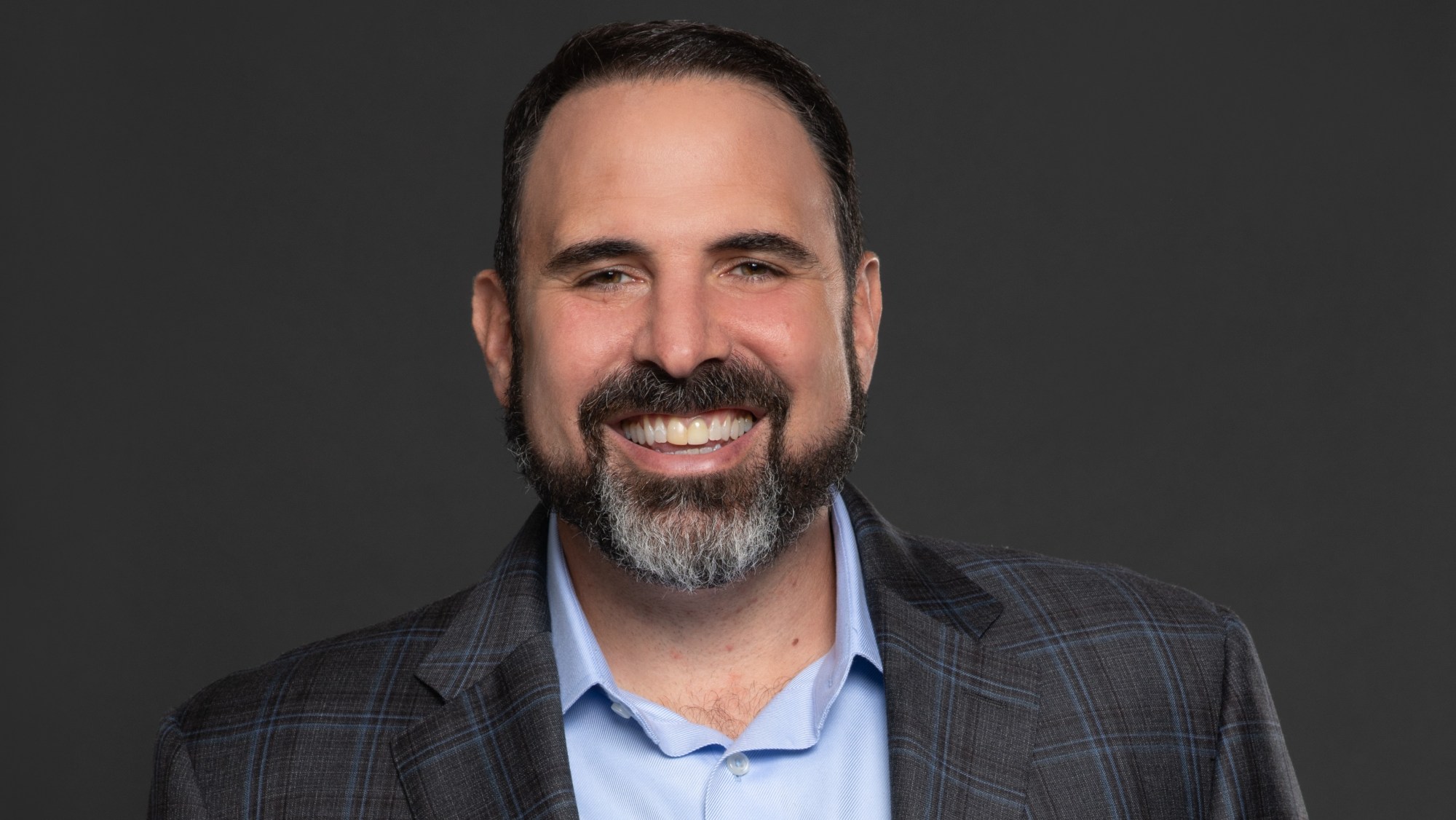
As of March 2025, Andrew Bennett has taken the role of Vice President of Prime Video Europe, following his promotion to oversee all partnerships and distribution strategies across the Europe, Middle East, and Africa (EMEA) and Latin America regions. Bennett discussed these strategic partnerships with The Hollywood Reporter, highlighting the advantages they bring to both Prime Video and its partners.
Strategic Partnerships and Their Benefits
Bennett emphasized the shifting landscape of content distribution, stating that Prime Video is committed to aggregating its first-party subscription video on demand (SVOD) service with third-party channels and transactional video on demand (TVOD). He noted that more partners are now recognizing the value of distributing their content through Prime Video, as it provides access to a wider audience across various platforms.
The collaboration with HBO Max illustrates this trend. The service is launching as a Prime Video add-on in new markets after experiencing success in existing arrangements in countries like France and Sweden. According to Bennett, the gradual acceptance of non-traditional distribution models by partners is encouraging, as they see the potential for mutually beneficial partnerships.
Offering free-to-air broadcasters’ programming to Prime Video customers is another strategic move. Bennett explained that the programming from partners like M6+ and RTVE covers a wide range of interests, including news, sports, and reality television, which are highly relevant to diverse audiences. For instance, M6+ will feature major events such as the World Cup and the Super Bowl, enhancing the platform’s appeal.
Future Expansion and Market Dynamics
When discussing pricing strategies, Bennett highlighted Prime Video’s commitment to providing competitive offerings. The aim is to match prices with other devices, ensuring a seamless user experience. Currently, Prime Video operates in 25 countries with TVOD, and plans are in place to expand to additional territories in 2026.
Bennett pointed out that the shift towards streaming services presents unique challenges, particularly in a fragmented market. He noted that building a robust distribution network is essential for supporting a successful content business. By leveraging Prime Video’s extensive reach, new streaming services can achieve global distribution without the burden of negotiating directly with multiple partners.
This strategic approach facilitates subscriber growth and enhances user engagement. Bennett asserted that the quality of service is reflected in customer engagement levels, which are crucial in a competitive entertainment landscape that includes social media and other streaming platforms.
Bennett also addressed potential challenges in retaining partnerships, stating that the benefits of collaboration often outweigh any perceived risks. He mentioned that existing partners are increasingly expanding their offerings to new territories.
In closing, Bennett stressed that Prime Video differentiates itself from its competitors by offering a comprehensive marketplace of content. The platform combines its original programming with a variety of third-party channels, allowing users to access diverse content within a single application. This comprehensive approach is vital to Prime Video’s ongoing strategy and aligns with consumer preferences for varied entertainment options.