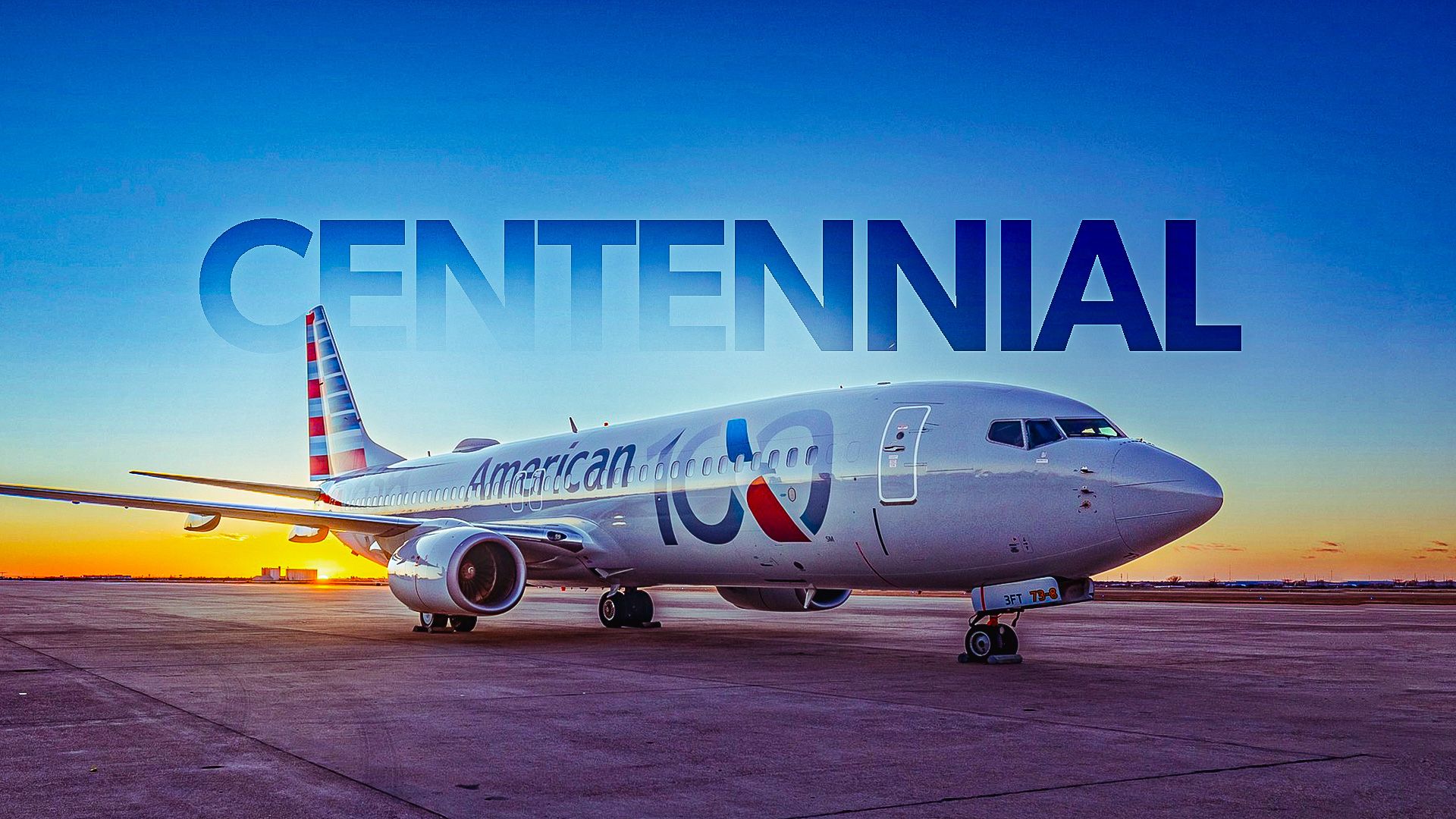
American Airlines, headquartered in Fort Worth, Texas, is celebrating nearly 100 years of operations as one of the world’s largest airlines by various metrics, including passenger numbers and flights. The airline’s journey has been marked by significant transformations, technological advancements, and strategic mergers that have shaped its position in the global aviation market. Today, it stands as a key player connecting the United States with Latin America, particularly through its hub at Miami International Airport (MIA).
Tracing the Origins of American Airlines
The history of American Airlines can be traced back to April 15, 1926, when aviator Charles A. Lindbergh, then the chief pilot of the Robertson Aircraft Corporation, flew mail between Chicago and St. Louis. This operation was among the many small carriers that eventually merged to form what we now recognize as American Airlines. The emphasis on reliability and punctuality in mail delivery established a strong foundation for passenger service, allowing the airline to transition into a commercial powerhouse.
By 1936, American Airlines became the first carrier to operate the Douglas DC-3 in commercial service, significantly enhancing the viability of scheduled passenger flights. The airline made its debut on the New York Stock Exchange in 1939, marking a pivotal shift from its roots as a regional operator to a formidable corporate entity. This transformation was crucial for establishing credibility in the burgeoning aviation market.
As American Airlines navigated through the decades, it focused on operational excellence, utilizing advanced aircraft and fixed schedules to build trust with travelers. This strategy laid the groundwork for its emergence as a leading legacy carrier in the aviation industry.
The Evolution Through the Decades
The post-World War II era marked a significant turning point for American Airlines as the carrier shifted its focus from proving the commercial viability of aviation to becoming a major industry player. In 1944, the airline launched what it claimed to be the world’s first scheduled air cargo service from LaGuardia Airport (LGA). This innovative move expanded its offerings beyond passenger flights and established a new revenue stream.
In subsequent years, American Airlines made substantial strides in long-distance travel. The airline began transatlantic services in 1945 through its subsidiary, American Overseas Airlines, and established a maintenance base in Tulsa in 1946, emphasizing reliability and cost control. By the late 1950s, it was well-established in the jet age, launching scheduled transcontinental passenger services using the Boeing 707.
The 1960s and 1970s were characterized by significant technological and operational advancements. The full implementation of the Sabre system in 1964 allowed for real-time inventory management, revolutionizing how airlines handled seat availability. American Airlines also broke new ground by hiring the first black commercial pilot in the United States, David Harris, in 1964 and the first female pilot, Bonnie Tiburzi Caputo, in 1973.
The introduction of SuperSaver fares in 1977 allowed the airline to segment its customer base, catering to both price-sensitive leisure travelers and business customers. This strategic pricing model, combined with the expansion of the Sabre system into travel-agent offices, positioned American Airlines favorably during the 1978 deregulation that reshaped the industry.
The 1980s and 1990s saw further growth as American Airlines capitalized on deregulation to forge a strong loyalty program with the launch of AAdvantage in 1981. This innovative program not only encouraged customer retention but also facilitated partnerships with non-flying entities. The airline celebrated its billionth customer in 1991 and became fully smoke-free on all flights by 1997.
The Modern Era and Future Directions
In 2013, American Airlines underwent a significant transformation by merging with US Airways, creating the American Airlines Group as it exists today. As the airline approaches its centennial anniversary, it has worked diligently to refine its operations and enhance passenger experiences. The focus now includes upgrading premium products and expanding its route network.
American Airlines recently announced an increase in its daily departures at O’Hare International Airport (ORD) for the upcoming spring season, adding 100 additional flights to meet rising demand. The airline is also making strides in customer loyalty by introducing complimentary high-speed Wi-Fi for AAdvantage members starting in January 2026. Furthermore, the company has set verified emissions-reduction targets, demonstrating its commitment to sustainability in the aviation sector.
As American Airlines continues to evolve, its legacy remains firmly rooted in innovation, operational excellence, and a commitment to providing connectivity across the globe. The airline’s journey from a small mail carrier to a dominant force in international aviation illustrates not just its resilience but also its ability to adapt to changing market dynamics over the past century.