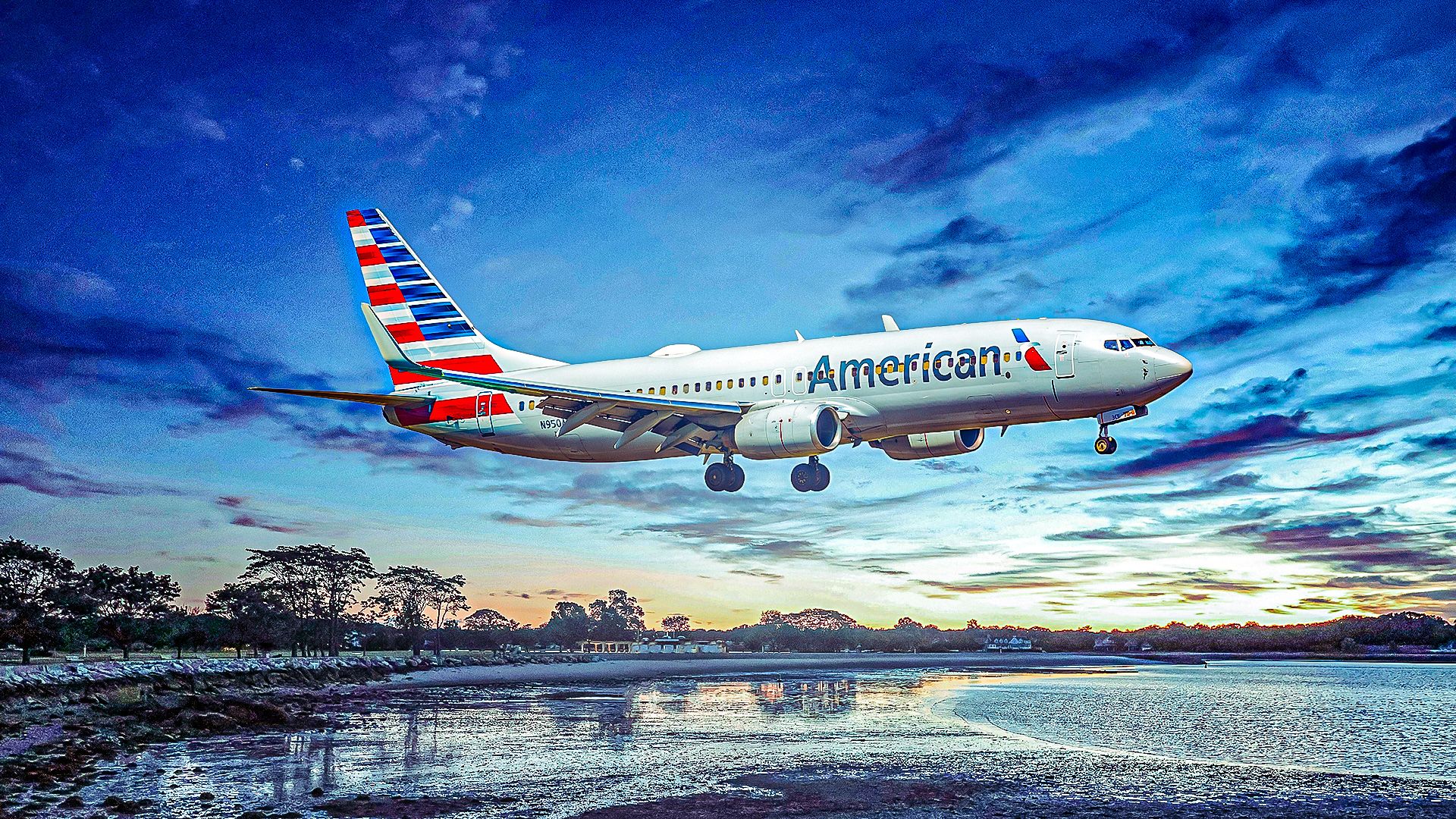
American Airlines is set to enhance its flight hold program, aiming to assist passengers making tight connections at select airports. This initiative allows the airline to delay certain departures briefly, ensuring that late-arriving travelers can board without disrupting overall operations. The expansion will include five new airports, following successful trials at Dallas/Fort Worth International Airport (DFW) and Charlotte Douglas International Airport (CLT).
The airline’s decision to implement this program at additional locations such as Chicago O’Hare International Airport (ORD), Phoenix Sky Harbor International Airport (PHX), Miami International Airport (MIA), Philadelphia International Airport (PHL), and Los Angeles International Airport (LAX) is strategically timed ahead of the 2026 FIFA World Cup. This move addresses a common frustration among travelers, where passengers often arrive just as the aircraft is preparing to depart.
American Airlines utilizes an in-house artificial intelligence (AI) tool to assess various factors before deciding to hold a flight. The system evaluates whether a short delay can be accommodated without causing further disruptions in the network. When a hold is approved, passengers receive an automated text notification with a countdown to the new departure time.
In a statement regarding the program, an American Airlines spokesperson emphasized the complexity of the decision-making process: “American considers a complex algorithm that takes dozens of inputs that the tool analyzes to ensure there is no downline impact on the overall schedule or customer itineraries.” This approach aims to optimize schedules while minimizing missed connections and the associated costs of rebooking.
Passengers will benefit from increased transparency regarding their flights. The airline is clear that not every situation will result in a hold; decisions depend on real-time assessments by the airline’s teams at each location. This flexibility allows for dynamic adjustments based on current operational conditions.
The choice of airports for this program reflects a focused strategy. American Airlines is targeting high-volume connection hubs, where even a few saved minutes can significantly affect numerous itineraries. Missed connections can incur substantial costs for airlines, including operational delays, misplaced baggage, and the need for hotel accommodations for stranded passengers. By selectively holding departures, the airline aims to mitigate these expenses while enhancing customer satisfaction.
This initiative also shifts the perception of hub travel. As passengers see that American Airlines is proactively working to protect their itineraries, they may be less inclined to book overly cautious layover times, which can contribute to reduced overall efficiency. Ensuring that tight connections are feasible becomes an essential tool in managing passenger expectations and experiences during travel.
Other airlines have implemented similar strategies in the past. United Airlines, for example, has automated connection protection, while others focus on timely notifications rather than physical holds. American Airlines’ approach represents a concerted effort to improve traveler experiences, particularly during busy travel periods.
As this program gains traction, it promises to enhance the travel experience for many passengers, particularly those navigating the complexities of hub-to-hub travel. By embracing technology and data-driven decision-making, American Airlines is positioning itself to better serve its customers in an increasingly competitive aviation landscape.