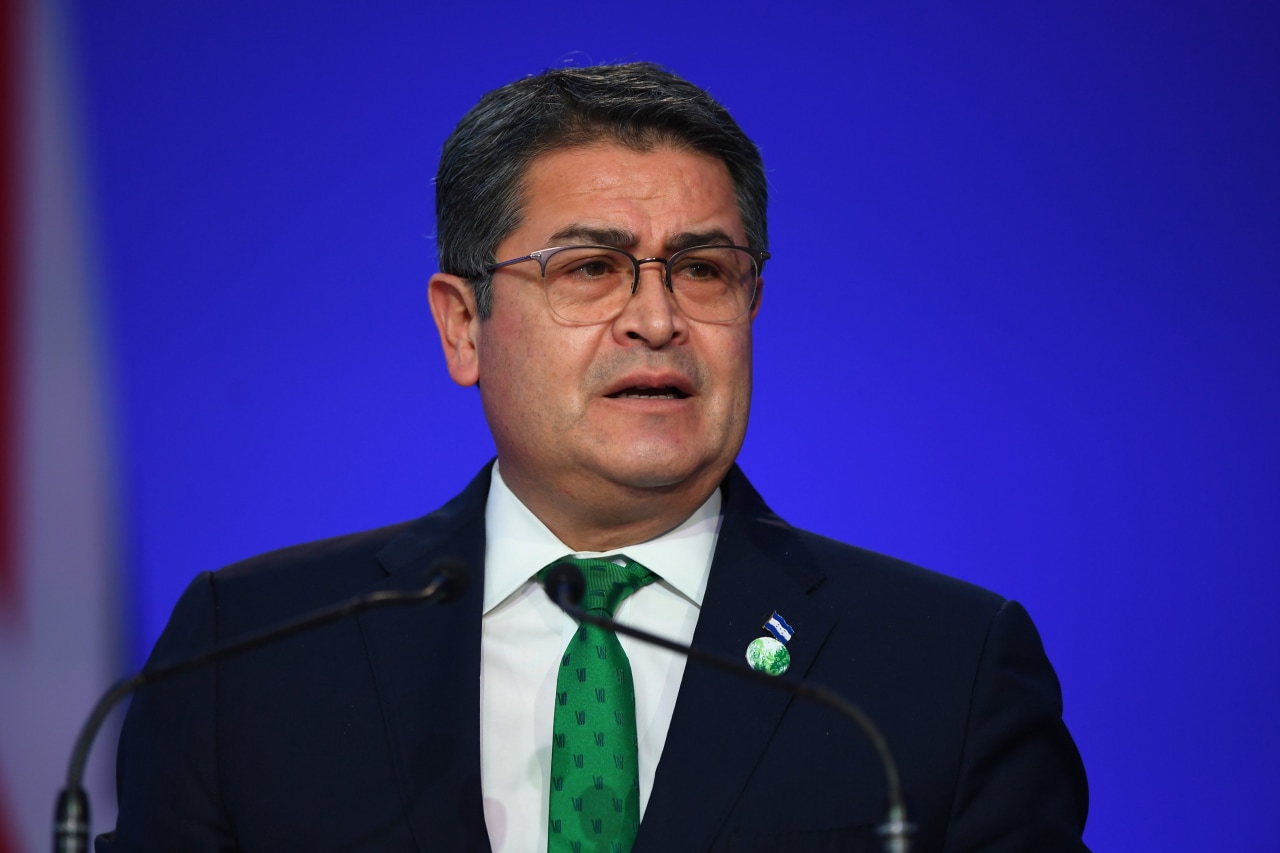
Juan Orlando Hernández, the former President of Honduras, faces an arrest warrant issued by authorities in his home country. This development comes after he was sentenced to 45 years in a United States federal prison for drug trafficking. The warrant has been communicated to Interpol, which is now urged to take action.
Hernández, who served as president from 2014 until 2022, was convicted on drug-related charges in the United States. Prosecutors alleged that he played a significant role in trafficking cocaine into the country, undermining both U.S. and Honduran efforts to combat drug cartels. His conviction was part of a broader investigation into corruption and drug trafficking in Central America.
The warrant issued by the Honduran government accuses Hernández of multiple offenses, including conspiracy to import cocaine and use of his presidential office to facilitate drug trafficking operations. The implications of this warrant not only affect Hernández personally but also shed light on the ongoing challenges of governance and law enforcement in Honduras.
As of now, Hernández remains in a U.S. prison, where he has been serving his sentence since his arrest in February 2022. His legal team has consistently maintained his innocence, arguing that the charges were politically motivated. Nevertheless, the Honduran government has taken a firm stance, emphasizing the need to hold him accountable for his actions while in office.
This situation raises critical questions regarding the future of political accountability in Honduras. With drug trafficking and corruption deeply entrenched in the political landscape, many are watching closely to see how this warrant will impact the country’s efforts to reform its justice system and combat organized crime.
The announcement of the arrest warrant has sparked reactions from various political and civil society leaders in Honduras, some of whom view it as a necessary step toward justice. Others, however, fear it may further destabilize the country’s already fragile political environment.
In the international context, the collaboration between Honduras and Interpol highlights the growing concern over transnational crime. As nations work together to tackle drug trafficking, the consequences of Hernández’s actions serve as a reminder of the complex interplay between politics and crime in the region.
The case of Juan Orlando Hernández is far from over. With an arrest warrant now in place, the world will be watching how both U.S. and Honduran authorities navigate the legal challenges ahead.