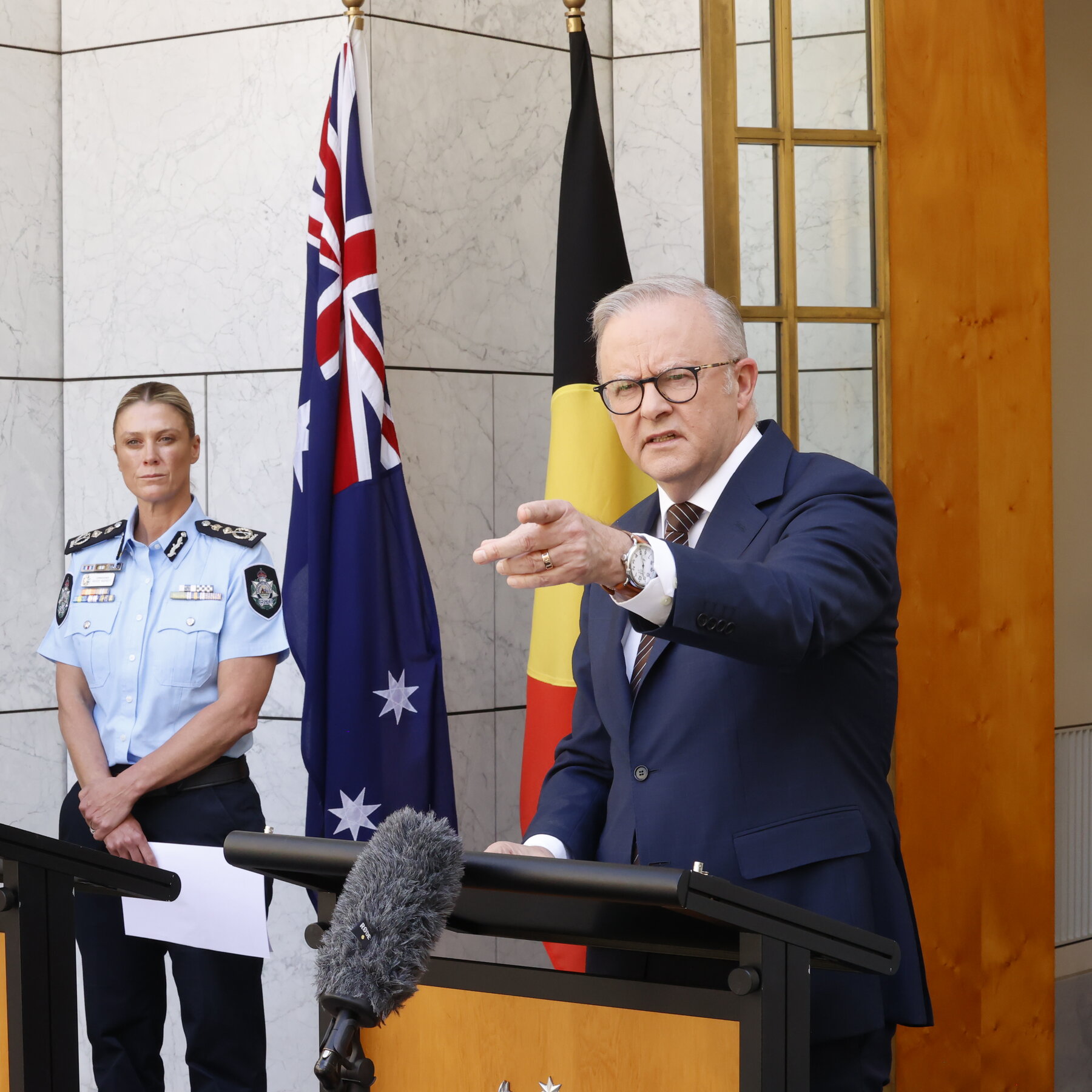
Australia’s government has announced a significant new initiative aimed at reducing gun violence following the recent attack in Bondi. Prime Minister Anthony Albanese outlined a comprehensive buyback program on Friday, which is projected to remove hundreds of thousands of firearms from circulation across the nation.
The Bondi incident, which occurred earlier this month, has prompted widespread calls for stricter gun control measures. In response, the government is allocating a substantial budget to facilitate the buyback, emphasizing its commitment to public safety. This initiative reflects a proactive approach to addressing gun-related crimes and the potential for future attacks.
Details of the Buyback Initiative
The buyback program will allow individuals to surrender their firearms in exchange for compensation. The government plans to offer fair market value for the weapons turned in, ensuring that the buyback is accessible to all gun owners. Albanese stated that this initiative is part of a broader strategy to create a safer environment for all Australians.
Officials estimate that the program could take approximately 300,000 firearms out of circulation. This ambitious target indicates the government’s determination to tackle the issue head-on. The program will include community outreach efforts to educate the public about the benefits of surrendering firearms.
The funding for the buyback will come from existing public safety budgets, and the government is currently working on the logistics of the program’s implementation. Although specific dates for the rollout have yet to be announced, authorities aim to begin the buyback process within the next few months.
Public Reaction and Future Implications
The announcement has elicited varied reactions from the public. Supporters of the initiative argue that it is a necessary step toward preventing further violence and ensuring the safety of communities. Critics, however, express concerns about the potential impact on law-abiding gun owners and the effectiveness of such measures in curbing crime.
Gun control advocates have praised the government’s swift response to the Bondi attack, highlighting the importance of reducing the number of firearms in circulation. According to a report by the Australian Institute of Criminology, a decrease in firearms correlates with lower rates of gun violence.
While the program’s success ultimately depends on public participation, the government’s commitment to this initiative signals a new chapter in Australia’s approach to gun control. The focus on community safety and proactive measures may pave the way for additional reforms in the future.
As Australia moves forward with this buyback program, the impact on both public safety and gun culture remains to be seen. The government is hopeful that this initiative will foster a more secure environment for all citizens.