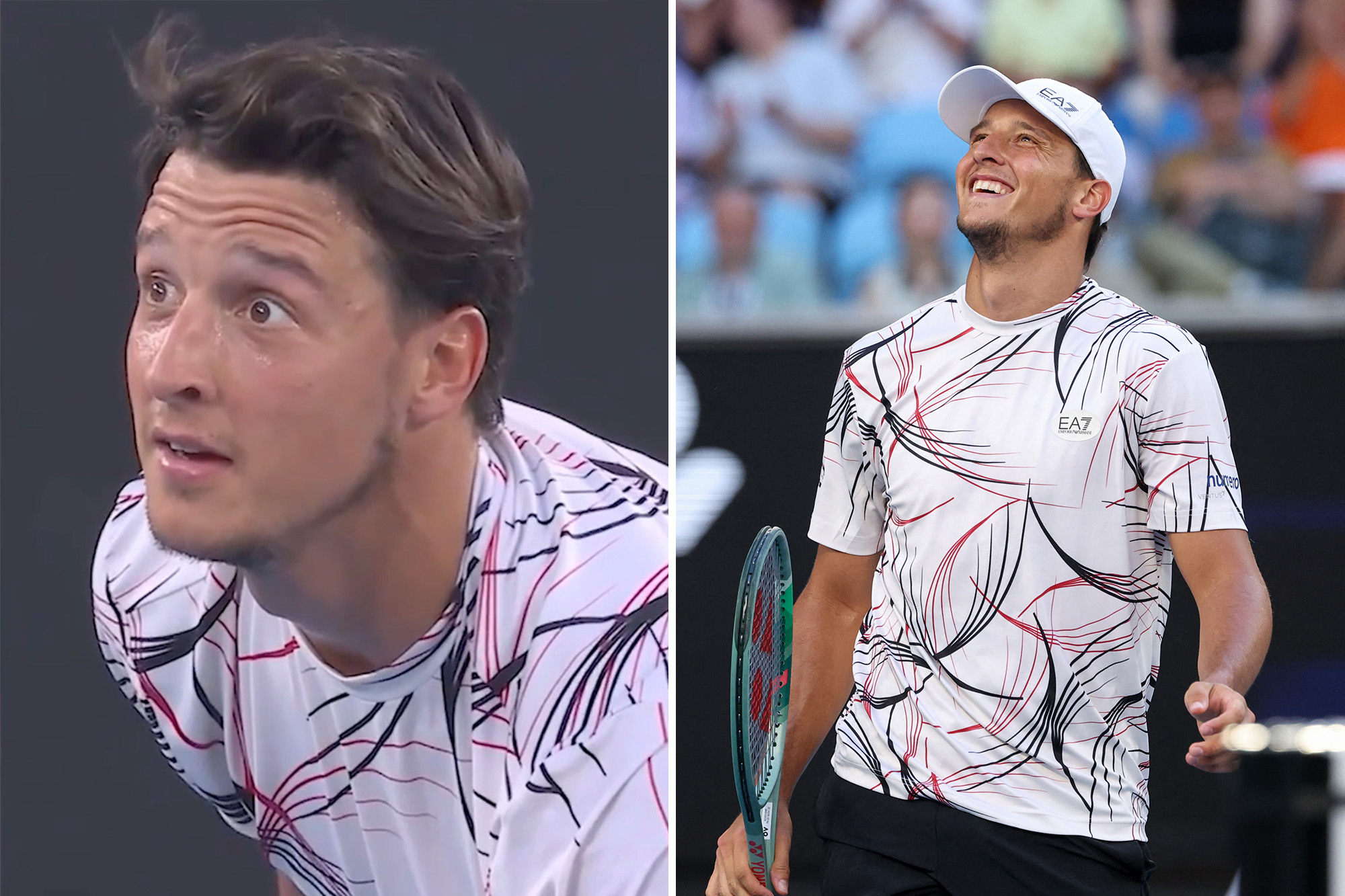
A recent match at the Australian Open became a focal point for discussion when a baby’s cry disrupted play, highlighting the challenges of maintaining concentration in high-stakes sports. On March 5, 2024, Italian tennis players Jannik Sinner and Luciano Darderi faced off at Margaret Court Arena in Melbourne. Just as Darderi prepared to serve during a tense tie-break, the unexpected cry from a young spectator shifted the atmosphere in what is typically a silent setting for tennis.
Footage shared on the official Australian Open TikTok account captures Darderi’s reaction to the disturbance. Initially, he appears to laugh it off, but the baby’s persistent wails force him to abandon his serve, catching the ball before it can land on his racquet. The moment elicited laughter and applause from the crowd, amassing over two million views online and igniting a heated debate about the appropriateness of bringing infants to such events.
Critics took to social media, questioning the decision to introduce a baby to the quiet environment of a tennis match. Comments ranged from “But why would you bring a baby to a tennis match?” to more pointed remarks like “Unpopular opinion: babies shouldn’t be allowed in tennis matches.” Some viewers even directed their frustration towards the players, suggesting that elite athletes should be able to block out distractions. “The fact that they can’t play through noise is mind-boggling,” one commenter stated, while another suggested players simply “hit the ball and deal with it or wear earplugs.”
Despite the uproar, the official rules of the Australian Open permit children and babies to attend matches. According to the tournament’s website, children aged 2 and under can enter for free, provided they do not occupy a reserved seat. Proof of age is necessary for entry, while tickets are available for children aged 3 to 11 and for teens aged 12 to 17.
Crowd etiquette at tennis matches typically requires silence during play, particularly between first and second serves. Disruptive behavior can lead to removal from the venue, underscoring the importance of maintaining an atmosphere conducive to concentration for the players. A spokesperson for Tennis Australia confirmed the organization’s commitment to inclusivity, stating, “The Australian Open is open to everyone, including babies and children. We ask that fans treat the players with respect and follow instructions from the chair umpires.”
As this incident demonstrates, the intersection of family-friendly policies and the demanding environment of professional sports can lead to unexpected challenges. The debate surrounding the appropriateness of young spectators at such events continues, raising questions about the balance between inclusivity and the need for focus and discipline in high-pressure situations.