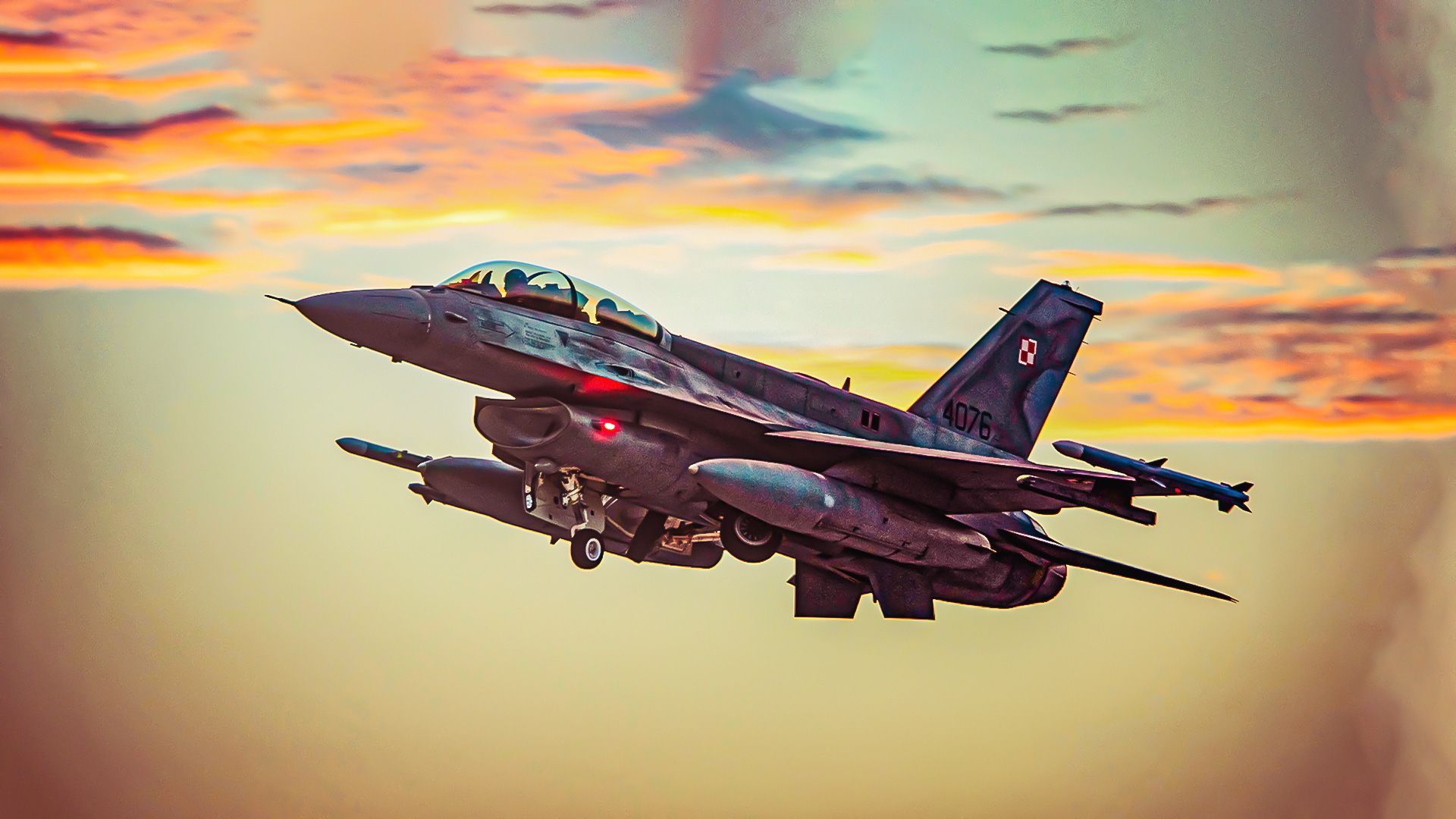
The competition between Boeing and Lockheed Martin in the fighter jet manufacturing arena is intensifying. Both companies play critical roles in the defense sector of the United States, but their focus on modern combat capabilities raises an important question: which manufacturer currently produces a greater number of fighter jets?
Boeing and Lockheed Martin are renowned for their contributions to military aviation. Their flagship models, the F-15EX and F-35 respectively, exemplify the latest advancements in technology, including stealth capabilities and sensor fusion. In 2023, the U.S. Department of Defense is expected to make significant decisions regarding defense contracts, thereby influencing the production rates of both aircraft.
Current Production Rates and Capabilities
As of now, Lockheed Martin holds the upper hand in fighter jet production. In the fiscal year 2022, Lockheed Martin delivered a record of 141 F-35 jets, continuing a trend of increased output. The company is on track to achieve its target of producing more than 170 jets annually by 2024, thanks to streamlined manufacturing processes and enhanced supply chain management.
On the other hand, Boeing’s production figures remain robust but lag behind its competitor. The company has ramped up its output of the F-15EX, with plans to deliver at least 24 jets this year. While this marks a significant increase compared to previous years, it is still dwarfed by the numbers reported by Lockheed Martin.
The contrasting production capabilities reflect each company’s strategic focus. Lockheed Martin prioritizes the F-35 program, which has garnered substantial investment and international interest. In contrast, Boeing is balancing its efforts between the F-15EX and other military aircraft, including the P-8 Poseidon and the KC-46A Pegasus.
Future Projections and Market Implications
Looking ahead, both companies are positioning themselves to respond to evolving military needs. The U.S. military’s emphasis on modernization and readiness means that contracts awarded in the coming years could significantly impact production figures. Analysts predict that the demand for advanced fighter jets will continue to grow, particularly as nations invest in upgrading their air forces.
According to data from the U.S. Department of Defense, the budget for military aviation is expected to reach upwards of $150 billion by 2025. This financial commitment underscores the competition between Boeing and Lockheed Martin, as both companies strive to secure lucrative contracts.
The rivalry extends beyond mere production numbers. It encompasses technological innovation, operational effectiveness, and international partnerships. Lockheed Martin’s F-35 program, for instance, has attracted numerous foreign buyers, including countries like Japan, Israel, and Italy. Boeing, while also competing internationally, must leverage its existing platforms to capture new markets and solidify its position.
The ongoing battle between these aerospace giants is not just about fighter jets; it reflects broader trends in defense spending and technological advancement. As nations prioritize their air combat capabilities, the role of manufacturers like Boeing and Lockheed Martin will be pivotal in shaping the future of military aviation.
In summary, while Lockheed Martin currently leads in fighter jet production, Boeing’s efforts to enhance its capabilities and secure contracts are noteworthy. The coming years will be crucial for both companies as they navigate a competitive landscape marked by rapid technological evolution and shifting military priorities.