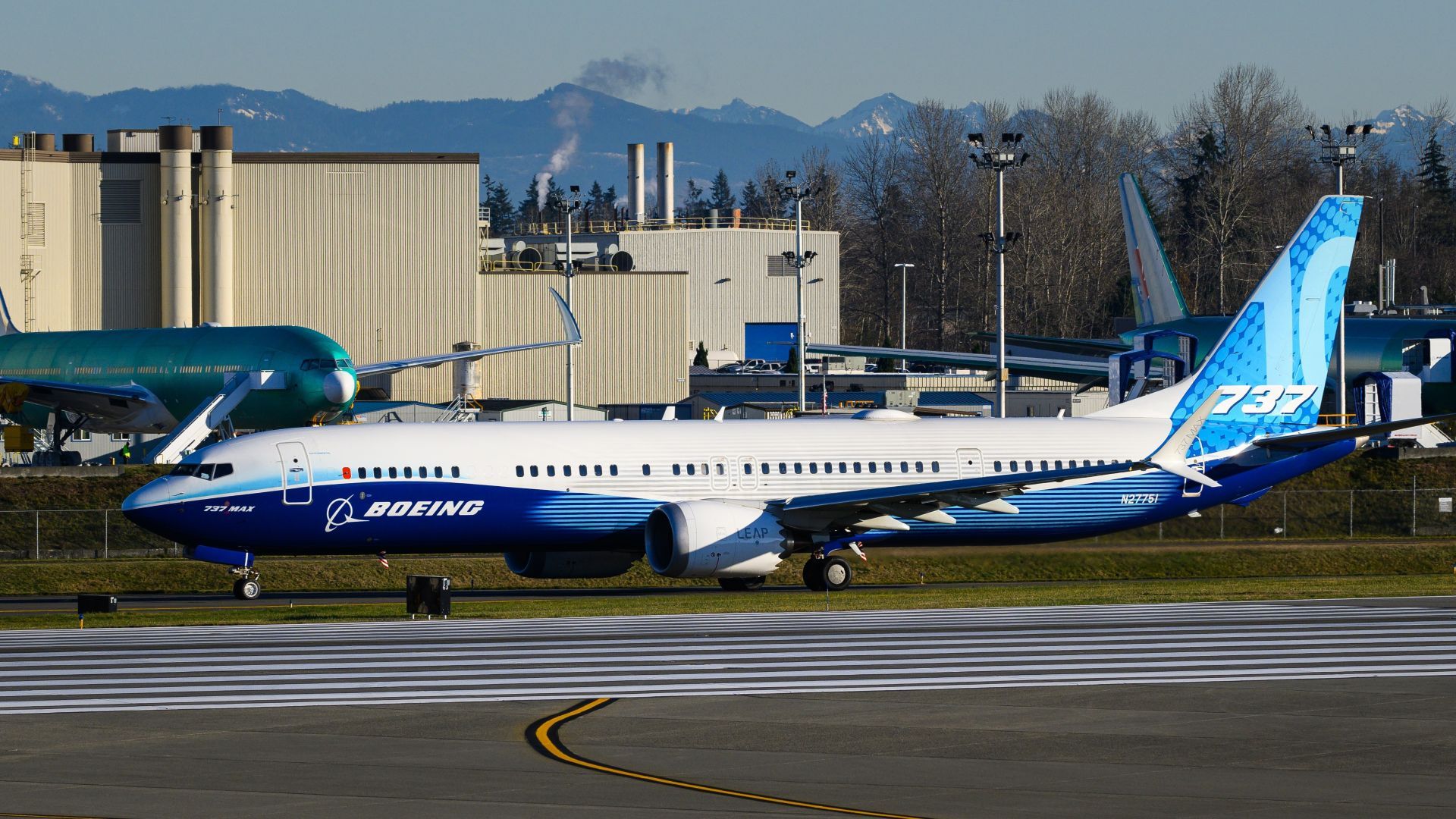
Boeing has finalized the design and engineering of a new engine anti-ice system for the Boeing 737 MAX. This significant development allows the company to collaborate with the Federal Aviation Administration (FAA) on a certification plan for the system, which will be implemented in new deliveries and retrofitted to existing aircraft. The redesign is a critical step forward for the long-delayed 737 MAX 7 and 737 MAX 10 variants, which have faced postponements primarily due to issues related to the previous anti-ice system.
The new engine anti-ice system is designed to direct air into the inlet cowl during icing conditions, preventing ice accumulation. Initial testing revealed concerns about the thermal durability of the nacelle’s composite structure under prolonged use. Boeing has dedicated considerable time and resources to refine the design, which has held back the certification of the 737 MAX 7 and 737 MAX 10 models for several years, forcing the company to impose in-service limitations on the 737 MAX 8 and 737 MAX 9 variants.
Certification Process Underway
At the Dubai Airshow on November 14, 2025, Boeing Commercial Airplanes President and CEO Stephanie Pope emphasized the extensive effort put into the redesign, stating, “We’ve spent thousands of hours getting that design done. Now it’s defining the certification plan, getting the FAA to accept that certification plan.” Following this, the FAA will review the proposed certification plan, which could lead to either approval or requests for modifications.
The new system’s certification is vital for Boeing to move forward with the 737 MAX 7 and 737 MAX 10. Boeing is set to produce up to 42 jets per month, and securing FAA approval will facilitate the entry of these models into service. The 737 MAX 10 has garnered significant interest, with over 1,200 orders. Its competitive economics position it as a compelling alternative to the popular Airbus A321neo, which has achieved over 7,000 orders.
Market Implications and Future Prospects
The 737 MAX 7, while primarily ordered by Southwest Airlines, is not viewed as a crucial priority for Boeing due to its lower price point and projected margins. In contrast, the 737 MAX 10 represents a more significant opportunity for Boeing, offering higher margins and a strategic response to Airbus’s dominance in the narrowbody market.
Boeing anticipates the 737 MAX 10 will enter service in 2027, initially with WestJet. As the aircraft begins operations with paying passengers, additional orders are likely to follow, enhancing Boeing’s competitive position against Airbus. Currently, the 737 MAX 8 remains the only model in service actively receiving new orders.
This redesigned anti-ice system marks a pivotal moment for Boeing, not just for regulatory compliance but also for reinforcing its foothold in the narrowbody aircraft segment. As the company navigates the certification process, the outcome will significantly influence its market strategy and operational capacity in the years ahead.