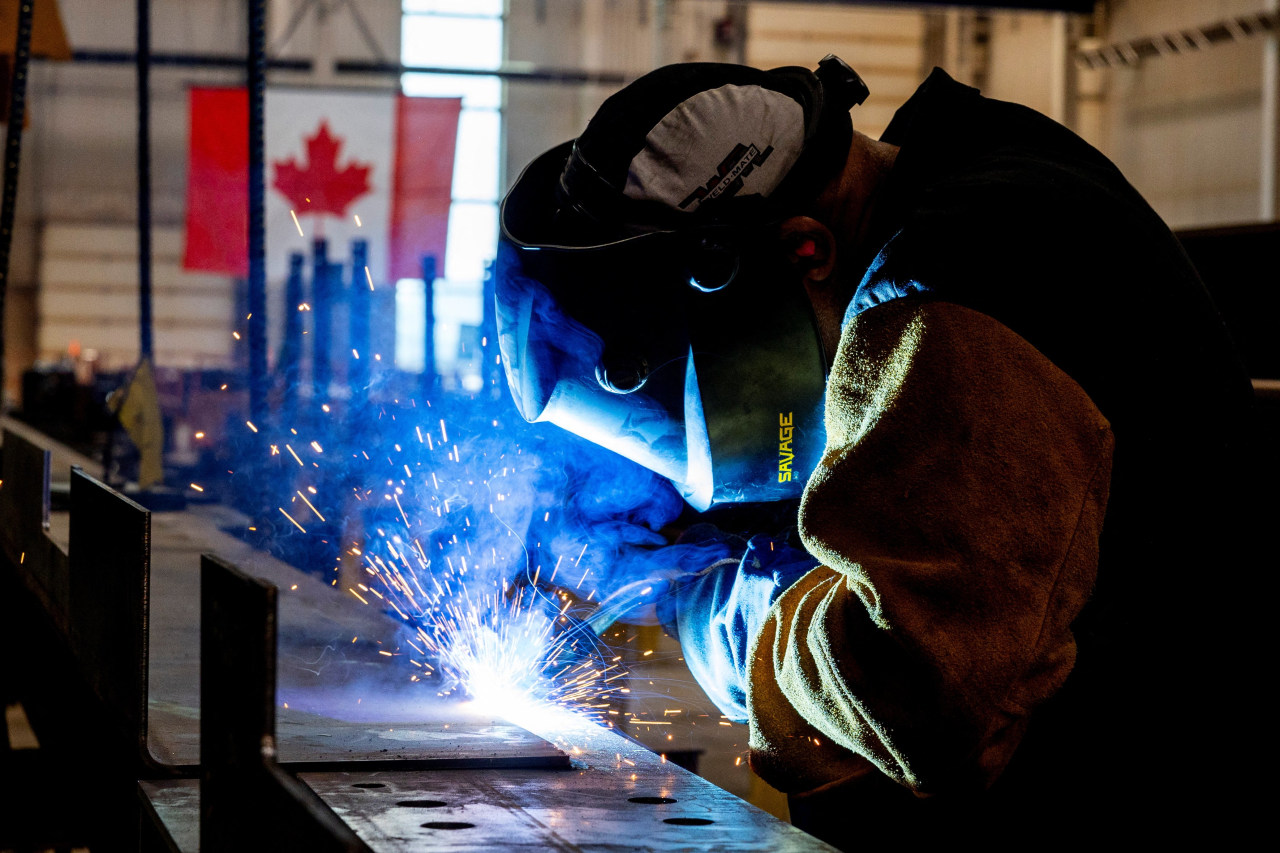
The Canadian government announced that new restrictions on steel imports will take effect on December 26, 2023. These measures aim to bolster the domestic steel industry, which has been adversely affected by significant tariffs imposed by the United States. The regulations will primarily target countries that do not have free-trade agreements with Canada, thereby limiting their access to the Canadian market.
Details of the New Regulations
According to the Canadian Steel Producers Association, the new import limits are designed to provide a much-needed shield for Canadian steel manufacturers. The organization stated that the steel sector has faced increasing challenges in recent years, notably due to the tariffs that the U.S. has placed on Canadian steel. These tariffs have resulted in a highly competitive disadvantage for local producers.
The forthcoming restrictions will effectively exclude steel imports from countries without trade agreements, which could include nations that have previously supplied significant volumes of steel to Canada. This shift is expected to enhance the viability of domestic production, potentially leading to increased job security within the sector.
These measures come as part of Canada’s broader strategy to ensure the stability and sustainability of its manufacturing base, particularly in industries that are critical to national infrastructure and economic growth. By limiting foreign competition, Canada aims to strengthen its own steel production capabilities.
Impact on International Trade Relations
The implementation of these import limits may also have implications for Canada’s trade relationships. Critics of the policy have raised concerns that such restrictions could provoke retaliatory actions from affected countries. While the government emphasizes the need to protect local industries, the potential for escalating trade tensions remains a significant consideration.
In light of the ongoing complexities in international trade, particularly with the U.S., Canada’s approach reflects a strategic pivot to safeguard its economic interests. The government has expressed its commitment to working with domestic producers to navigate these challenges effectively.
As the deadline approaches for the new regulations, stakeholders across the steel industry are closely monitoring the situation. Many hope that these limits will provide a much-needed boost to the Canadian steel sector, enabling it to better compete in a global market that is increasingly influenced by national policies and tariffs.
The Canadian government will continue to assess the impact of these measures as they unfold, and further adjustments may be made based on their effectiveness and the evolving landscape of international trade.