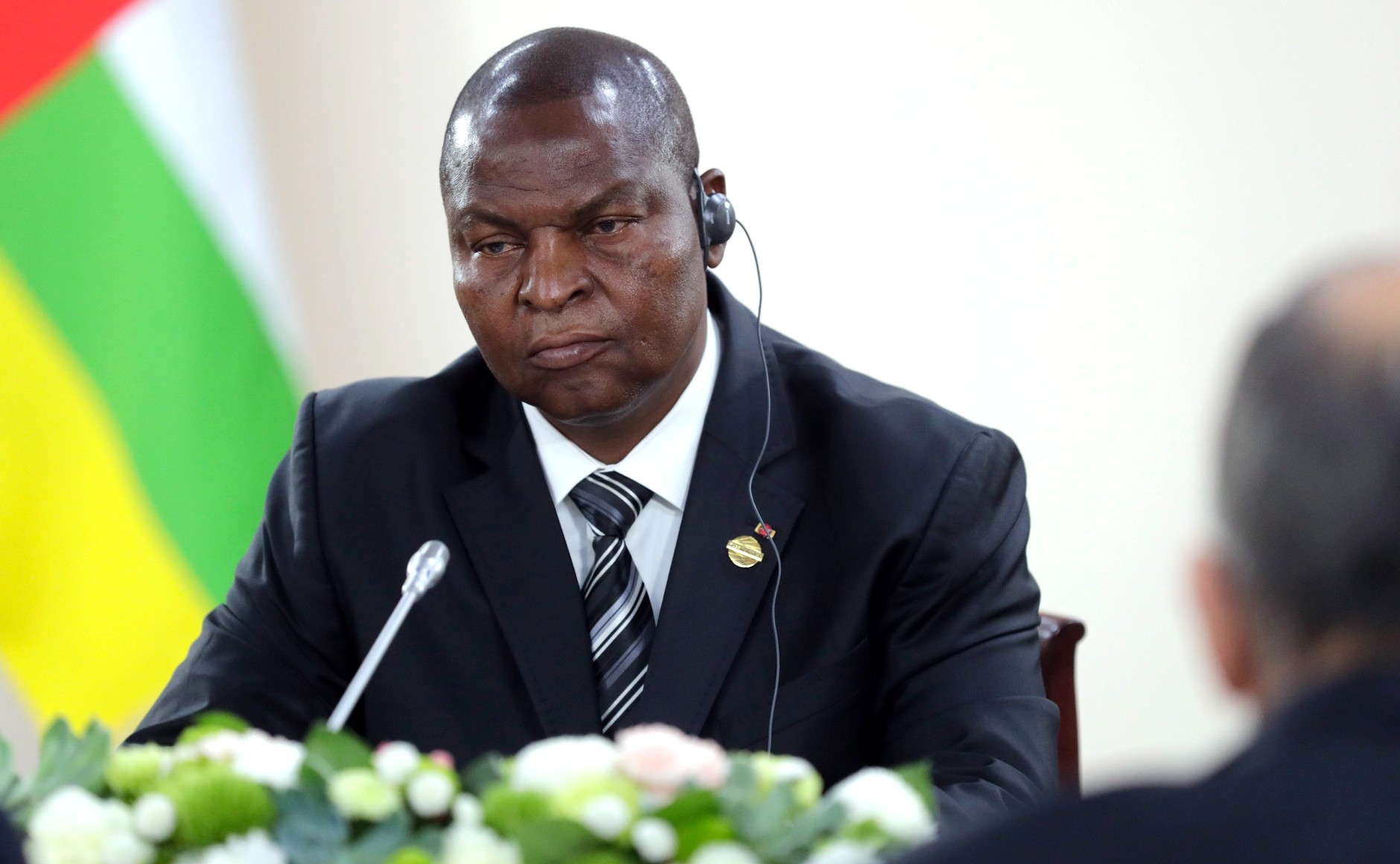
The Constitutional Court of the Central African Republic (CAR) has officially confirmed President Faustin Archange Touadera for a third term after he secured approximately 78 percent of the votes in last month’s election. This decision, announced on January 5, 2024, solidifies Touadera’s position as the head of state, a role he has held since 2016.
The court’s ruling came amidst allegations of electoral fraud from Touadera’s main opponent, Anicet-George Dologuélé, who received 13.5 percent of the vote. Dologuélé contested the election results, but the court rejected his appeal. President of the Constitutional Court Jean-Pierre Waboe stated, “On behalf of the Central African people, the Constitutional Court declares Faustin Archange Touadera president-elect in the first round with 77.9 percent of the vote.”
According to the national election authority, the election held on December 28 engaged over 2.4 million voters, marking a turnout of more than 52 percent. The voting process also included legislative, regional, and municipal ballots, reflecting a broader democratic engagement.
There have been concerns regarding the influence of foreign powers on the election, particularly from Russia. Reports indicate that President Touadera has maintained close ties with Russian leadership, using Russian Wagner Group mercenaries and Rwandan troops to bolster the national army, known as the FACA, and to secure the capital city, Bangui, against rebel groups.
In addition to his reliance on foreign military support, Touadera facilitated a constitutional referendum in 2023 that removed presidential term limits, allowing him to run for a third term in 2025. This move has drawn criticism from various sectors of society, who argue that it undermines democratic principles.
The Constitutional Court’s confirmation of Touadera’s election provides him with full legal backing to continue his presidency despite the opposition’s claims of electoral irregularities. This development is likely to have significant implications for the political landscape in the Central African Republic as the country navigates ongoing challenges related to governance and security.
As the political situation evolves, the focus will remain on how Touadera’s administration addresses the pressing issues facing the nation, including the ongoing conflict with armed groups and the need for economic stability.