Members of Congress are actively exploring ways to enhance their security in response to increasing threats in a politically charged environment. Recent violence targeting lawmakers, judges, and political figures has raised alarms, prompting discussions about expanding security measures.
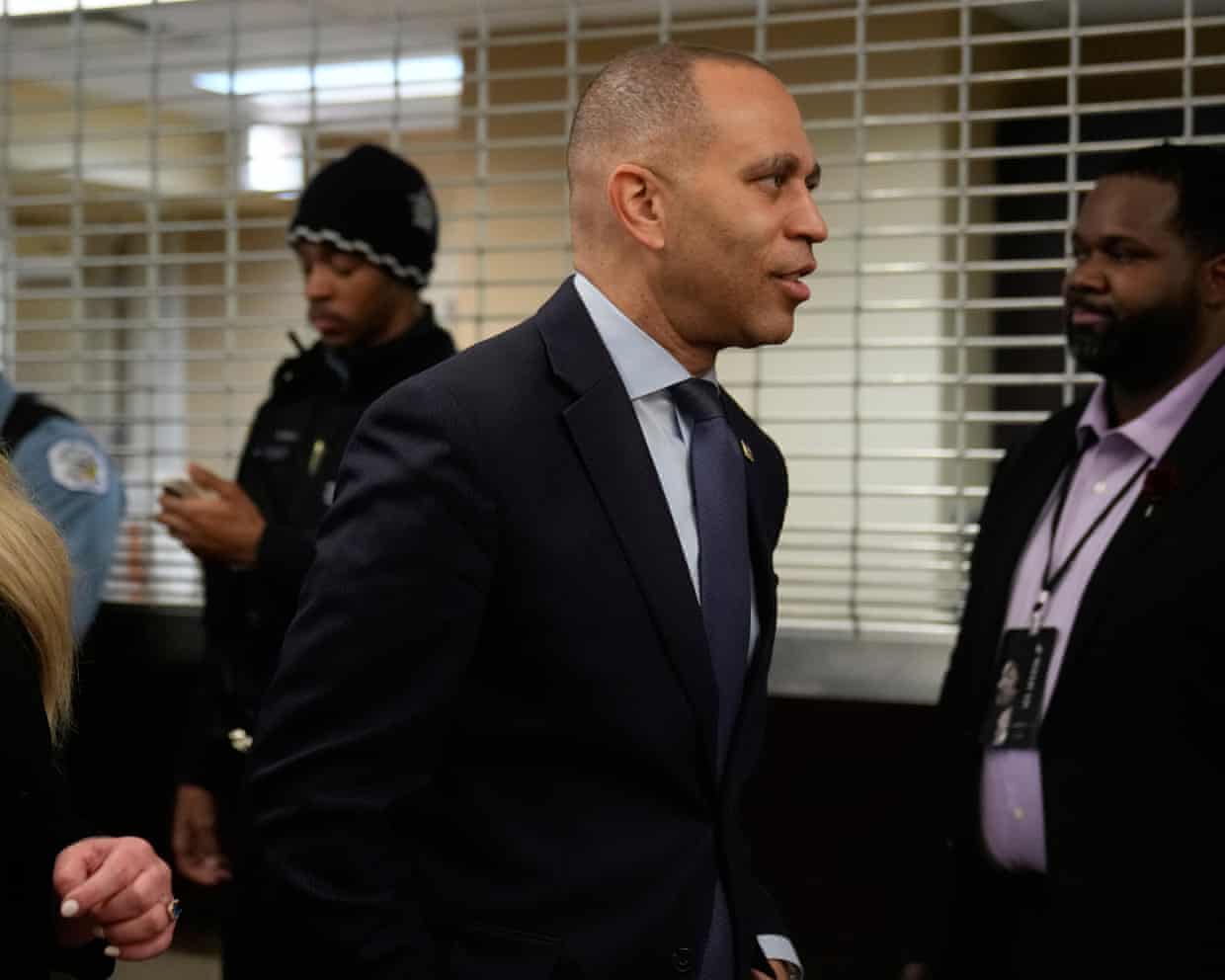
Democratic representatives in the House are urging their Republican counterparts to support a proposal allowing each lawmaker to employ an armed staff member and a law enforcement coordinator for their district offices. This initiative, reported by Semafor, comes as tensions remain high following a surge in political violence, despite bipartisan calls for reduced rhetoric.
Concerns escalated earlier this year after the murder of political activist Charlie Kirk, leading lawmakers from both parties to request increased security measures. Effective from October 16, 2023, House members will have access to a monthly allocation of $20,000 for personal security when outside the Capitol, doubling the previous amount, according to Roll Call.
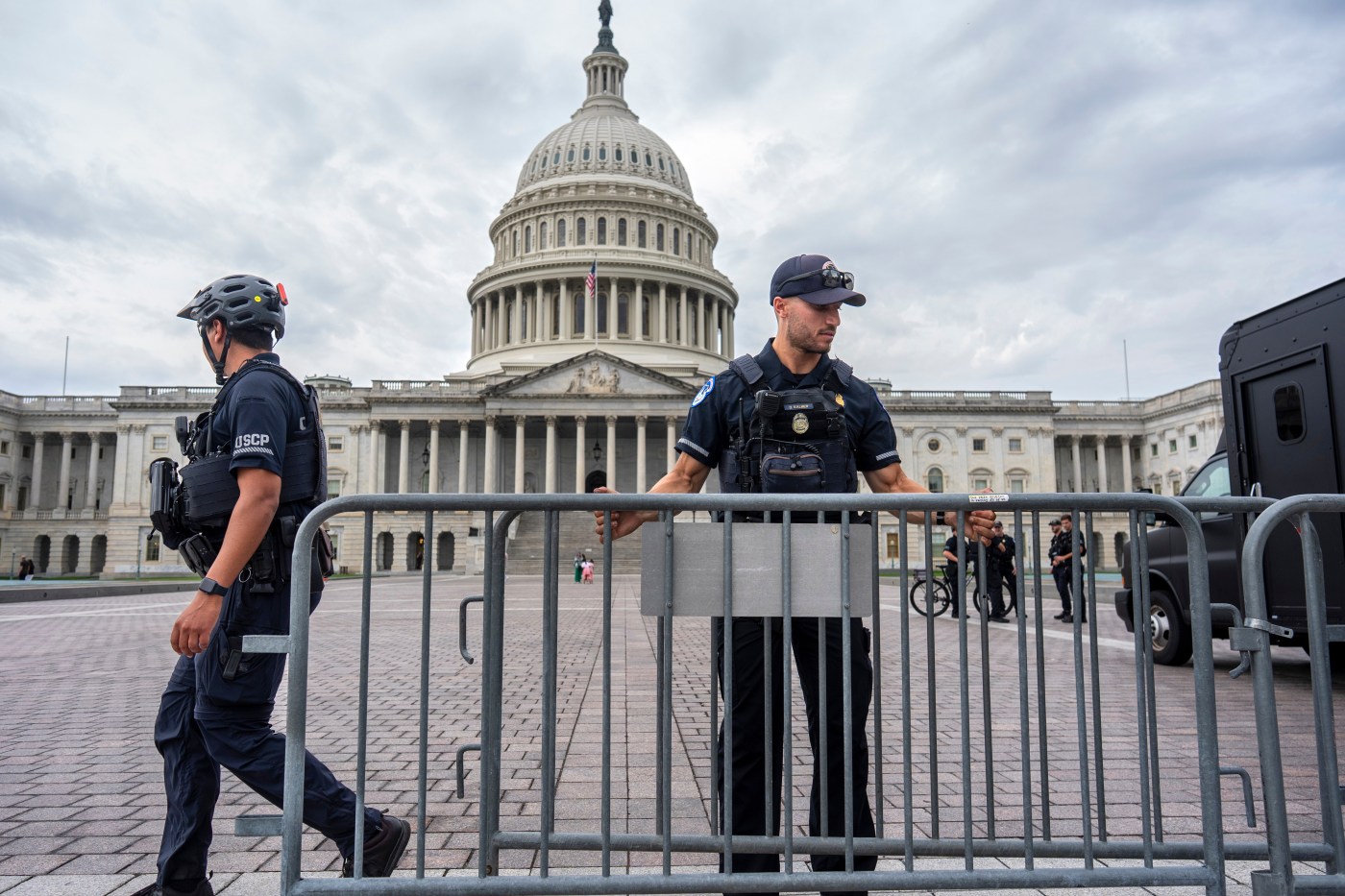
Despite apparent bipartisan interest in bolstering security funding, it remains uncertain whether Congress will approve additional resources. With hundreds of lawmakers, their families, and staff requiring protection across the country, expenses are rising quickly. The U.S. Capitol Police, which serves as the primary security force for the Capitol, lacks the necessary resources and staffing to provide comprehensive, round-the-clock protection. Consequently, when lawmakers return to their districts, they often depend on local law enforcement or private security services.
As Javed Ali, a former counterterrorism official and associate professor at the University of Michigan, noted, “It’s going to be a tool or a capability, but nothing is going to provide that sort of 100% security that folks are wishing for.” He emphasized the historical challenges associated with protecting political figures, citing that attacks have occurred even against presidents.
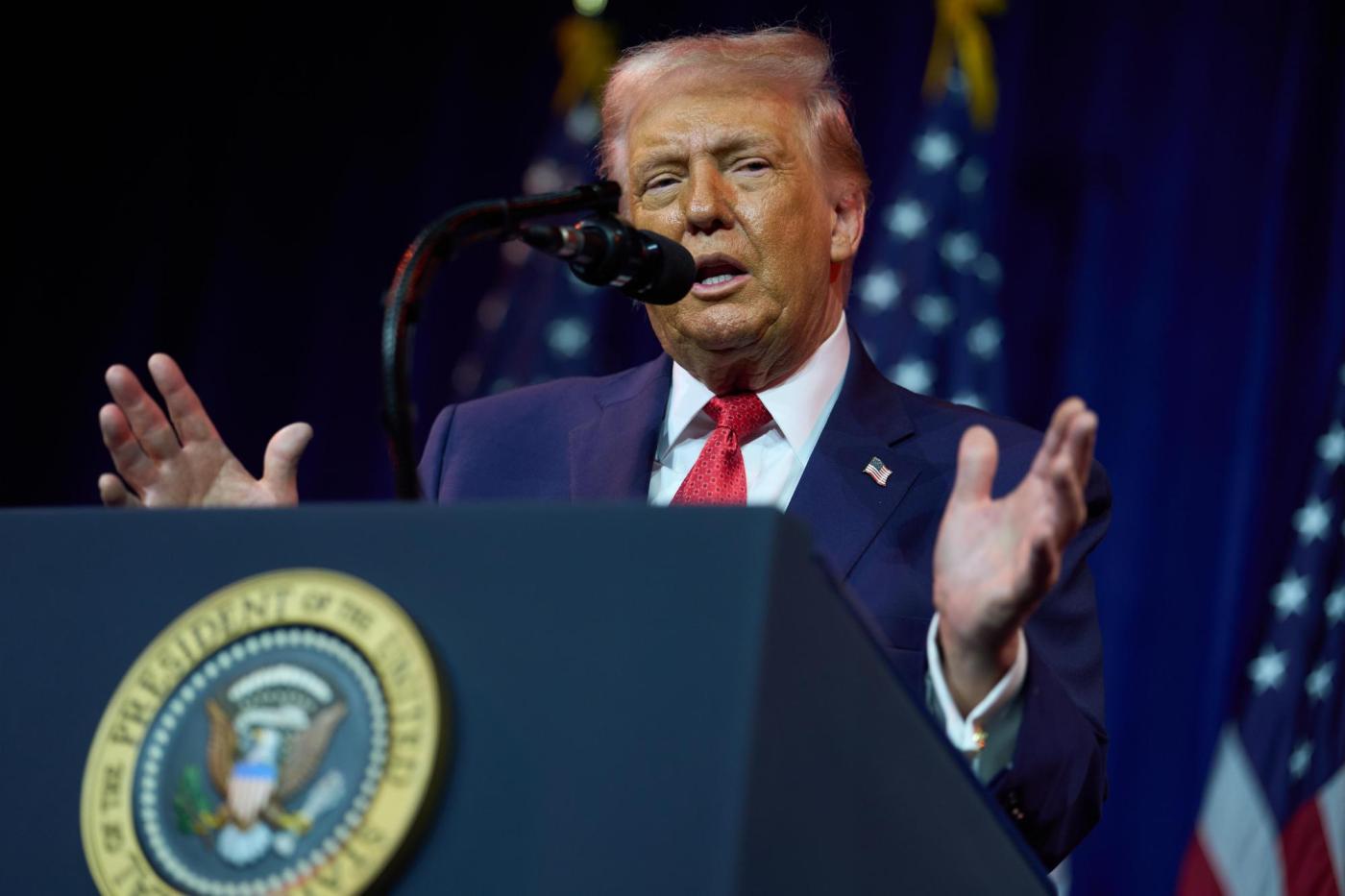
Political threats have surged in recent years, with nearly 10,000 reported in the previous year alone, compared to fewer than 4,000 in 2017. The U.S. Capitol Police projects that the number of threats could reach 14,000 by the end of 2025. High-profile incidents over the past year, including two attempted assassinations of former President Donald Trump, have heightened awareness around the issue.
Other notable incidents include the assassination of a Democratic lawmaker in Minnesota and an arson attack on the home of Josh Shapiro, the Democratic Governor of Pennsylvania, while he was inside with his family. The six Democratic lawmakers who publicly challenged military personnel regarding illegal orders have also faced increased threats since their video release, which was amplified by Trump’s social media comments branding them as traitors.
The recent shooting of two National Guard members from West Virginia further illustrates the expanding threat landscape, which now encompasses not only prominent political figures in Washington but also state lawmakers and judicial officials. In Indiana, nearly a dozen state legislators have reported bomb threats and swatting incidents amid contentious debates over redistricting efforts, particularly those aimed at boosting the Republican Party’s chances in upcoming midterm elections.
Responses to political violence have sparked bipartisan condemnation, though the discourse often devolves into finger-pointing regarding the source of the escalating tensions. Democrats attribute blame to Trump for his incendiary rhetoric, while Republicans contend that the left exacerbates the situation by labeling their opponents as extremists.
As Congress continues to deliberate on security funding in light of these ongoing threats, the safety of lawmakers and their families remains a pressing concern. The outcome of these discussions may ultimately shape the security landscape for political figures across the country.