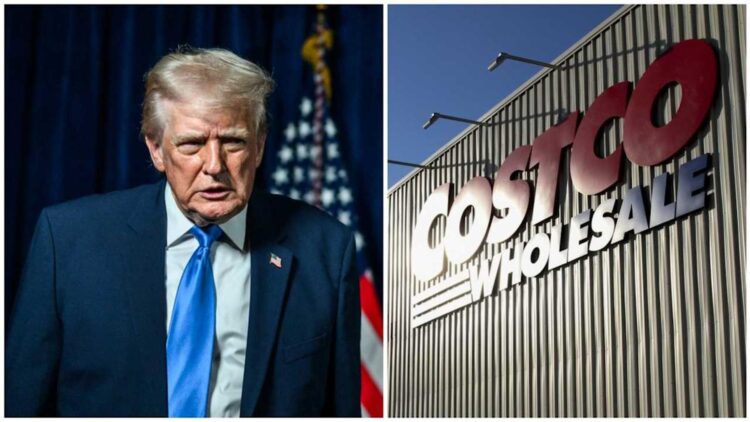
Costco Wholesale has officially filed a lawsuit against the Trump administration in the International Trade Court, seeking to overturn tariffs imposed through the International Emergency Economic Powers Act (IEEPA). The retail giant is demanding a full refund of import duties that it has paid since the tariffs came into effect. While Costco has not disclosed the exact amount, data from U.S. Customs and Border Protection indicates that importers have collectively paid nearly $90 billion under the IEEPA provisions.
The lawsuit has gained significant attention, marking a critical legal event in the ongoing discourse surrounding Trump-era tariffs. Costco’s legal representatives argue that the IEEPA does not grant the President the authority to impose such tariffs, stating, “The Challenged Tariff Orders cannot be upheld and the defendants are not authorized to implement or collect them.”
Costco’s Financial Impact
Costco’s Chief Financial Officer, Gary Millerchip, highlighted the adverse effects of these tariffs on the company and its customers. He noted that around one-third of Costco’s sales in the United States come from imported goods, with approximately 8% sourced from China. The company has made concerted efforts to absorb costs and avoid passing price increases onto consumers, especially for essential items, including fresh food imports from Central and South America. “We have kept the price on those to ensure that we are protecting the member,” Millerchip stated.
In light of the tariffs, Costco is also exploring various strategies to mitigate their impact, such as shifting production locations and consolidating purchasing efforts globally to reduce costs.
Legal Context and Broader Implications
As of late October 2023, the U.S. government had collected $205 billion in tariffs, prompting Costco to assert that the administration has retained funds not rightfully owed. This lawsuit joins a series of legal challenges against Trump’s tariff policies from companies like Revlon, EssilorLuxottica, Kawasaki, and Bumble Bee, among others.
The significance of Costco’s involvement in this legal battle cannot be overstated; its stature in the retail market adds considerable weight to the proceedings. White House spokesperson Kush Desai commented on the situation, emphasizing the substantial economic implications tied to the enforcement of these tariffs. Desai expressed hope for a “quick and appropriate” resolution from the Supreme Court, which is currently evaluating the legality of the tariff decisions following inquiries directed at D. John Sauer, the Solicitor General.
As this case unfolds, its outcome could have far-reaching effects on not only Costco but also the broader landscape of international trade and tariff policy in the United States.