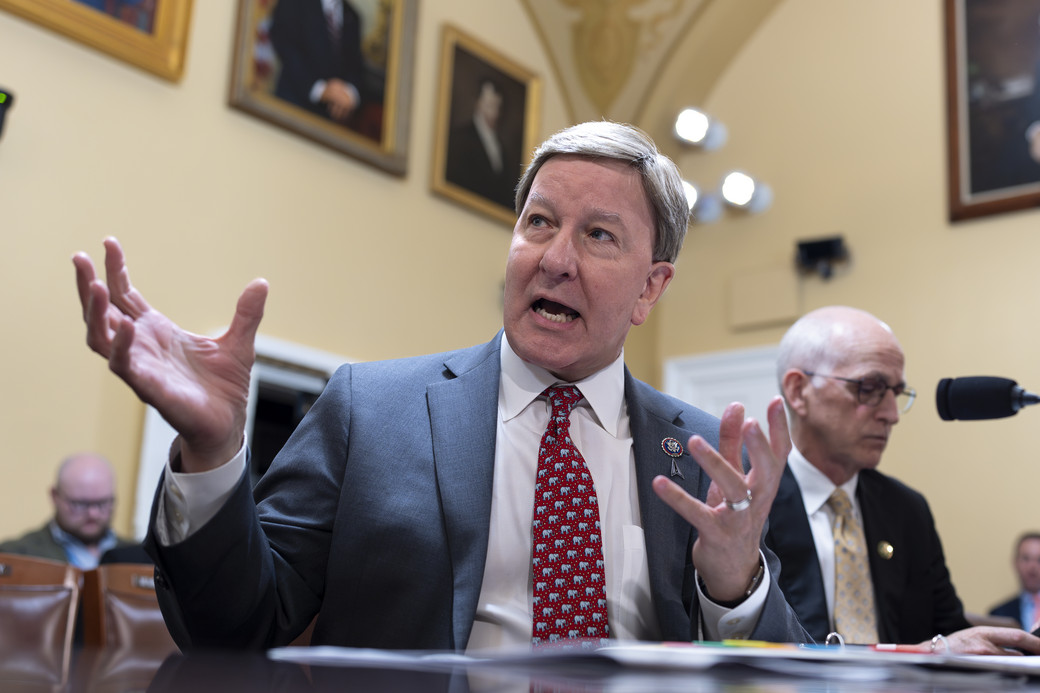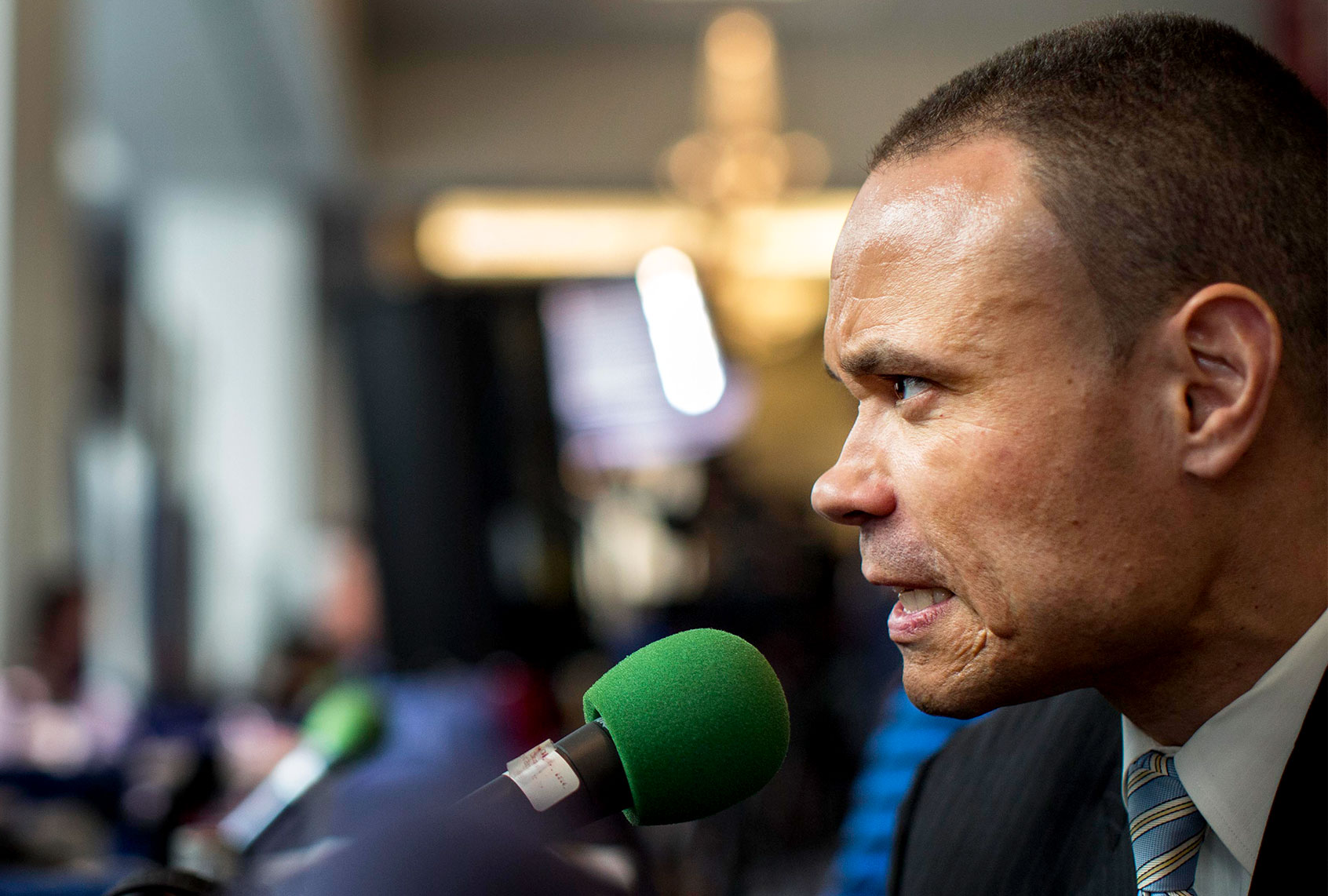
FBI Deputy Director Dan Bongino confirmed his exit from the agency, announcing that he will leave his position in January 2026. The conservative media figure and former Secret Service agent has only held the role for nine months. His tenure has been marked by significant challenges, including a period of turmoil and declining morale within the bureau.
In a statement shared on X, Bongino expressed gratitude to key figures including President Donald Trump, Attorney General Bondi, and Director Kash Patel, stating, “I want to thank President Trump, AG Bondi, and Director Patel for the opportunity to serve with purpose. Most importantly, I want to thank you, my fellow Americans, for the privilege to serve you. God bless America, and all those who defend Her.”
Bongino’s departure follows ongoing speculation about his role at the FBI. Sources within the bureau indicated that Bongino’s office has been largely unoccupied for nearly two weeks, raising questions about his leadership. Reports have depicted the agency as struggling, with some insiders describing it as a “leaderless mess.” In a critical report released last month, Bongino was referred to as “something of a clown,” highlighting the dissatisfaction among staff.
A staff member remarked, “Nobody here will miss him. He has no credibility.” Such sentiments reflect the severe challenges faced by Bongino and Patel during their brief leadership.
When asked about Bongino’s decision to leave, President Trump commented that Bongino had done a “great job” but suggested that he might prefer to return to media. “I think he wants to go back to his show,” Trump stated.
As Bongino prepares to exit the FBI, the agency continues to grapple with internal strife and a crisis of leadership. The implications of his departure, combined with the ongoing challenges under Patel’s direction, raise important questions about the future direction of the FBI in the coming year.
This transition comes as the agency faces increased scrutiny and calls for reform amid a backdrop of public and political pressure. The situation highlights the complexities of managing a federal bureau amid fluctuating public confidence and internal dynamics.