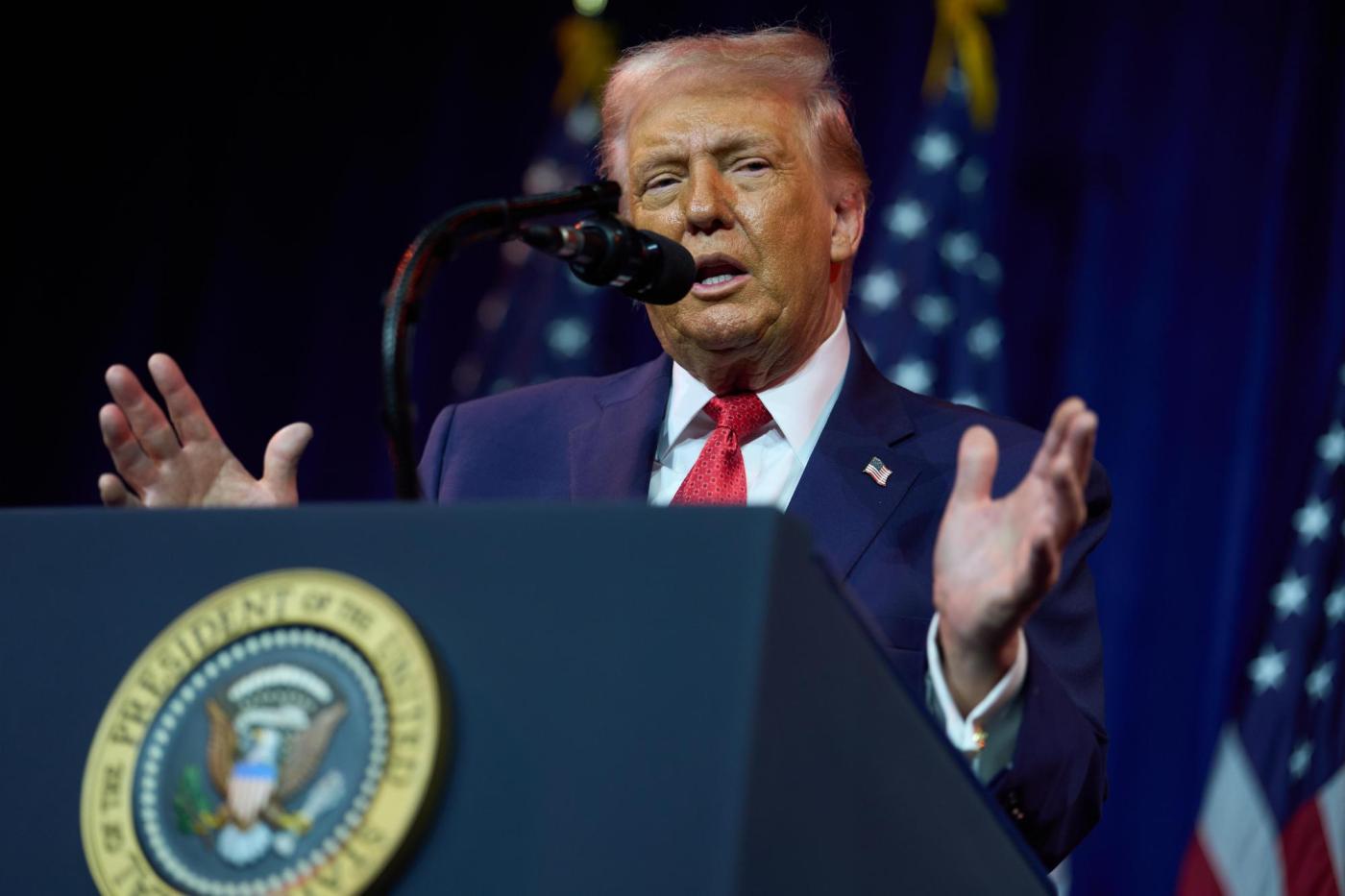
President Donald Trump‘s recent comments regarding Greenland have prompted a significant shift in how Danish citizens perceive their relationship with the United States. The President’s remarks, which suggest a desire to acquire the autonomous territory, have stirred unease and reflection among the Danish populace about their nation’s ties to one of its closest allies.
The controversy began when Trump expressed interest in purchasing Greenland during a press conference in early August 2019. This statement led to a diplomatic incident, as the Danish Prime Minister, Mette Frederiksen, dismissed the idea as “absurd.” Following her rejection, Trump canceled a planned state visit to Denmark, escalating tensions between the two nations.
Danish citizens have taken to social media and local forums to voice their concerns over how Trump’s rhetoric reflects on their country’s foreign relations. Many believe that the President’s comments reveal a transactional view of international friendships, causing them to question the depth and sincerity of U.S.-Denmark ties.
Growing Discontent and Reflection
In the wake of these events, a survey conducted by the Danish polling organization Gallup revealed that 55% of respondents now view the U.S. less favorably. This is a notable increase from previous years when a majority expressed positive sentiments towards their American counterparts.
The implications of Trump’s remarks extend beyond mere public opinion. Several Danish analysts argue that the U.S. administration’s approach to international relations could jeopardize long-standing alliances. Henrik Breitenbauch, a professor at the Danish Institute for International Studies, pointed out that “the rhetoric surrounding Greenland highlights a more aggressive American foreign policy that could alienate traditional allies.”
Danish citizens are particularly concerned about how these developments affect their national identity and security. Many feel a growing desire for Denmark to assert its autonomy on the global stage, as the notion of being treated as a mere pawn in a larger geopolitical game does not sit well with the populace.
A Shift in Political Discourse
Political leaders in Denmark are responding to this changing sentiment. In recent parliamentary sessions, discussions have emerged about the need for Denmark to strengthen its relationships within Europe and reassess its reliance on U.S. support.
The Danish government is also exploring ways to enhance its presence in the Arctic region, where Greenland plays a crucial role. As climate change opens new shipping routes and resource opportunities, Denmark aims to assert its interests in a manner that reflects national priorities rather than U.S. whims.
In conclusion, Donald Trump‘s rhetoric around Greenland has ignited a broader conversation in Denmark about national identity, autonomy, and international alliances. As public sentiment shifts, both citizens and political leaders are re-evaluating their relationships with the U.S., fostering a climate of introspection and potential change in Denmark’s foreign policy direction.