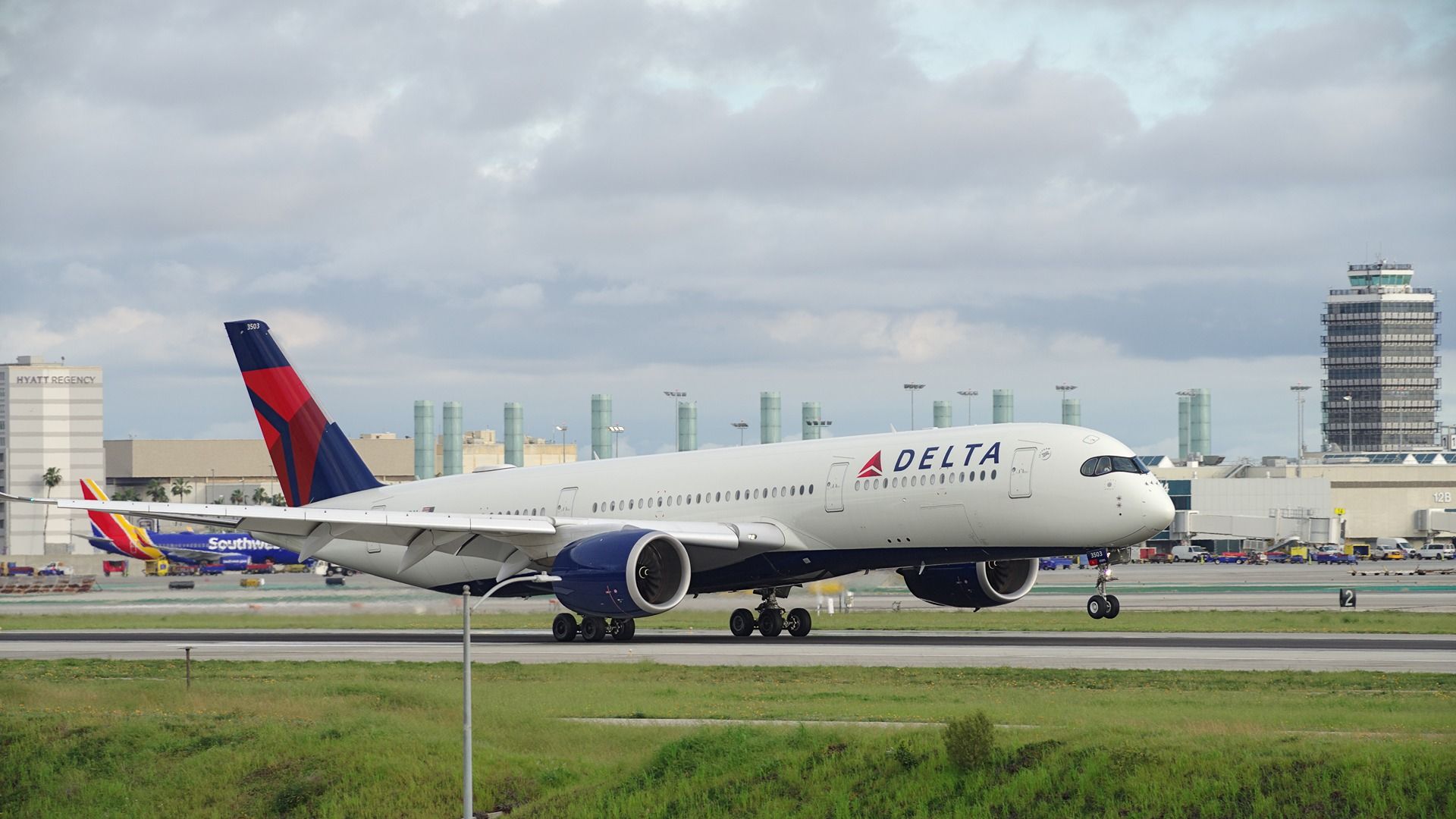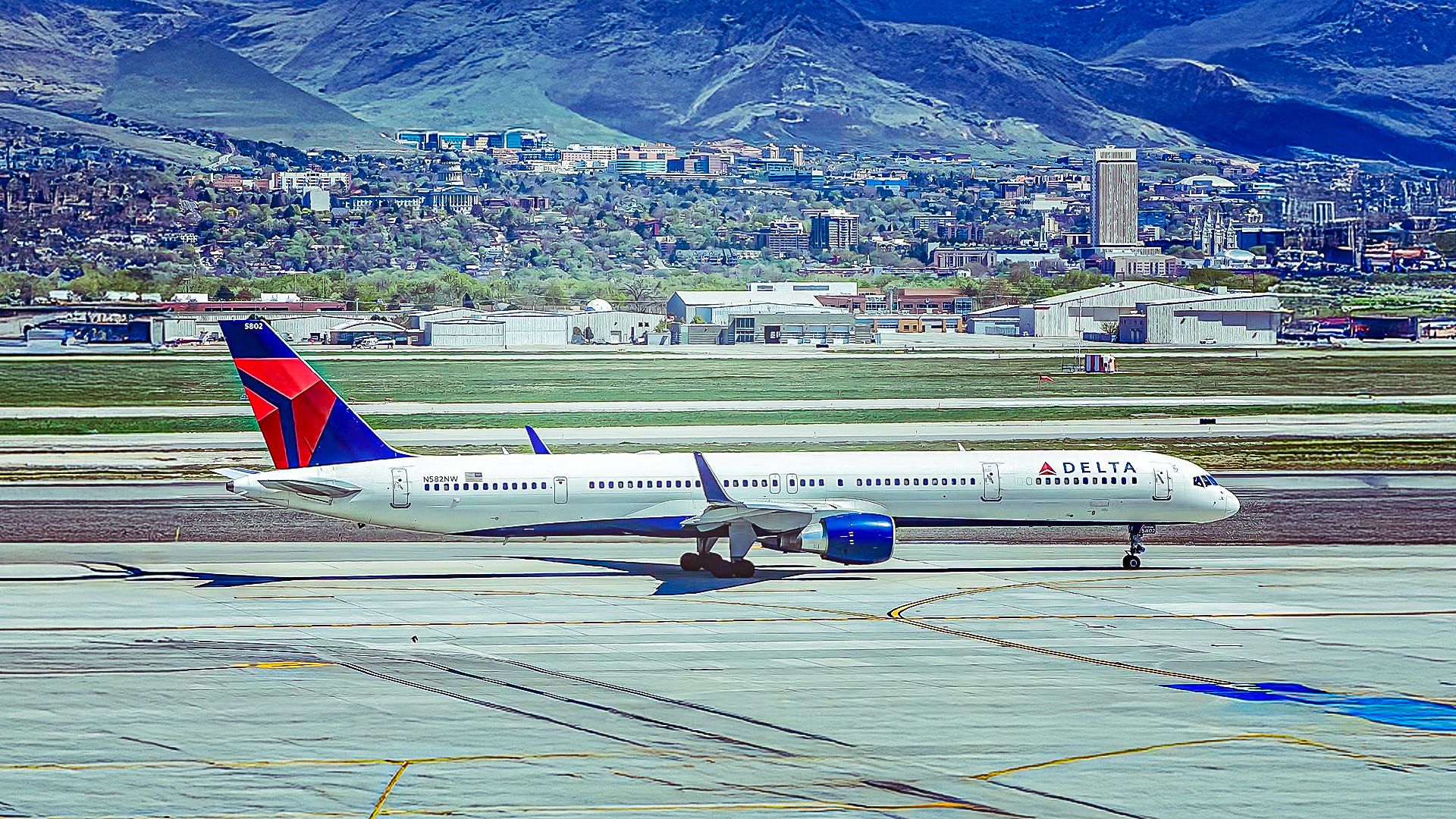
Delta Air Lines has announced its busiest hubs for the first quarter of 2026, highlighting the significant role of key airports in its extensive network. With operations reflecting a strong demand for travel, the airline is set to schedule over 142,000 flights during this period, according to aviation analytics provider Cirium.
Top Hubs for Delta Air Lines in Q1 2026
Leading the pack is the Hartsfield-Jackson Atlanta International Airport, where Delta plans nearly 24,480 departures and will provide over 3.8 million seats during the quarter. The airline operates more than 700 daily flights from this hub, reinforcing its status as a central point for both domestic and international travel.
Following Atlanta is the Detroit Metropolitan Wayne County Airport, which has solidified its position as Delta’s second-busiest hub. This airport became integral to Delta’s operations after the merger with Northwest Airlines in 2008. Delta commands a substantial presence in Detroit, serving a variety of domestic routes as well as international destinations primarily in Europe and Asia.
In third place, Minneapolis-St. Paul International Airport continues to be a vital hub for Delta, operating approximately 200 to 300 flights daily. Notably, Minneapolis outpaces Detroit in terms of total seats offered, showcasing its importance within Delta’s network.
The Salt Lake City Airport ranks fourth in flight volume, followed closely by New York LaGuardia Airport. While LaGuardia is critical for operations, Delta offers a higher number of seats from its New York JFK location, indicating a strategic focus on high-capacity routes.
Delta’s Dominance Across Hub Airports
Delta Air Lines has strategically positioned itself as the dominant carrier across its major hubs. At Hartsfield-Jackson, Delta holds around 80% of the total market share, a testament to its early recognition of Atlanta as a key base for expansion. Since 2021, the airline has incrementally increased its capacity at the airport by more than 20%.
Similarly, in Detroit, Delta maintains approximately 75% market share and has seen consistent growth in capacity, positioning itself as a gateway for the Midwest. Minneapolis also plays a significant role, with Delta holding roughly 76% of market share. Recent expansions have included new long-haul routes to destinations such as Rome and Copenhagen.
Delta continues to enhance its network as it approaches the summer of 2026. The airline is set to operate its largest transatlantic program to date, with over 650 weekly flights to nearly 30 destinations across Europe. New routes include flights from Boston to Madrid and Nice, and from Seattle to Rome and Barcelona.
Additionally, seasonal routes such as Catania will resume in April, while services to major cities like Amsterdam, Paris, and London Heathrow will continue through the winter season.
As Delta Air Lines evolves, its strategic focus on expanding hub capacity and route options reflects a robust response to increasing travel demand, positioning the airline for continued success in the competitive aviation landscape.