Kenyan journalist and filmmaker Bea Wangondu has turned a complex narrative of land restitution into a deeply personal exploration through her new documentary, Kikuyu Land. Premiering on January 25, 2024, at the Sundance Film Festival’s World Cinema Documentary Competition, the film sheds light on the historical and contemporary struggles surrounding land ownership in Kenya.
Set against the backdrop of Nairobi, Kikuyu Land reveals an ongoing battle involving local governments and multinational corporations. Wangondu’s journey begins with a personal quest to uncover family secrets related to her grandfather’s land ownership, which ties into broader themes of colonial legacy, neocolonialism, and social trauma.
Wangondu’s collaboration with Andrew H. Brown, the film’s U.S. co-director and cinematographer, originated when the two met while working on assignments for National Geographic. Their shared interest in the Kikuyu, the largest ethnic group in Kenya, led them to explore the implications of colonial history, particularly the impact of the Mau Mau rebellion from 1952 to 1960.
As Wangondu delves into her family’s history, she faces the cultural challenges of discussing sensitive topics within her community. “In Kikuyu culture, talking about what’s happening at home is frowned upon,” she explains. This reluctance stems from the fear of exposing painful historical truths related to the Mau Mau fighters and their struggles against British colonial rule.
The documentary captures the complexities of these conversations, highlighting the patriarchal traditions in Kikuyu society. Wangondu recounts a pivotal moment when she reached out to her uncle for insights into their family’s past. “I just want to hear how it sits with you and how you are interpreting it,” she told him. This discussion marked a significant step toward healing and understanding for both her family and the film’s narrative.
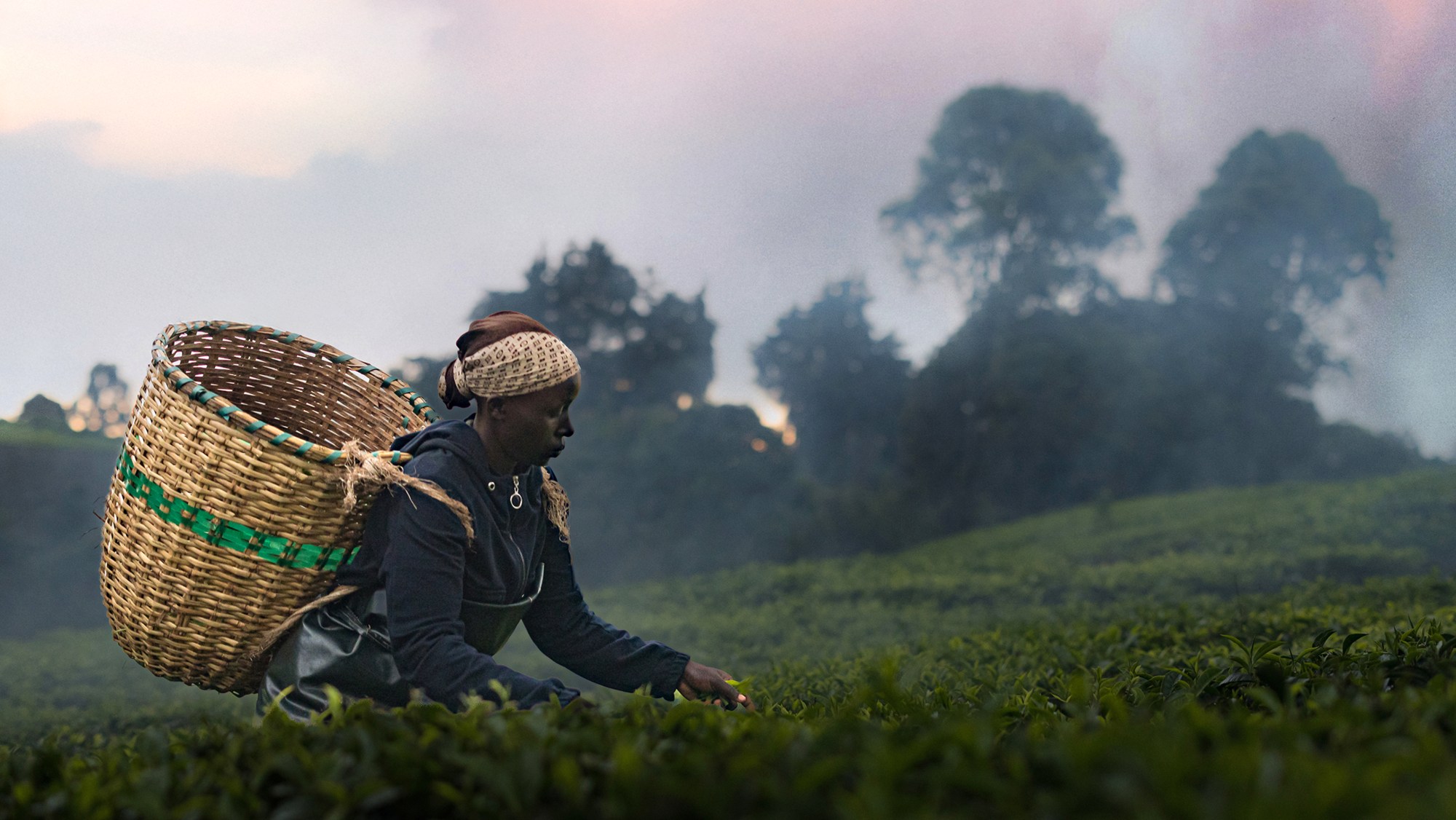
Wangondu’s investigative work extends beyond her family to encompass broader societal issues, including the treatment of workers on Kenyan tea plantations owned by multinational corporations like Unilever. The film includes disturbing footage of plantation workers facing harassment and abuse, reflecting ongoing power imbalances in the industry.
Current political dynamics also feature prominently in Kikuyu Land. The documentary critiques the administration of Kenyan President William Ruto, who has faced backlash for increasingly authoritarian governance. Wangondu draws parallels between Ruto and former U.S. President Donald Trump, suggesting that both leaders share a similar approach to power and influence.
Brown emphasizes the film’s relevance to global audiences, stating, “We want audiences to understand the effects of colonialism and corporate power and how they are still shaping people’s lives right now.” He believes that the themes explored in Kikuyu Land resonate beyond Kenya, highlighting universal issues of power and inequality.
As the filmmakers prepare to share Kikuyu Land with international audiences, their mission remains rooted in community engagement. The duo plans to screen the documentary across Kenya, including in local communities, fostering discussions about land rights and cultural identity.
Wangondu reflects on the transformative process of creating the film, stating, “I took a journey, and this is where it’s brought me. I don’t have everything and all the answers, but that’s okay. I did something for my own identity.” The emotional weight of her work is evident as she anticipates the impact Kikuyu Land will have on viewers.
As the documentary prepares for its world premiere, it promises to open conversations not only about land ownership in Kenya but also about the lingering effects of colonialism and corporate influence on individual lives. Wangondu’s personal narrative intertwines with these larger themes, creating a compelling story that aims to resonate with audiences around the world.