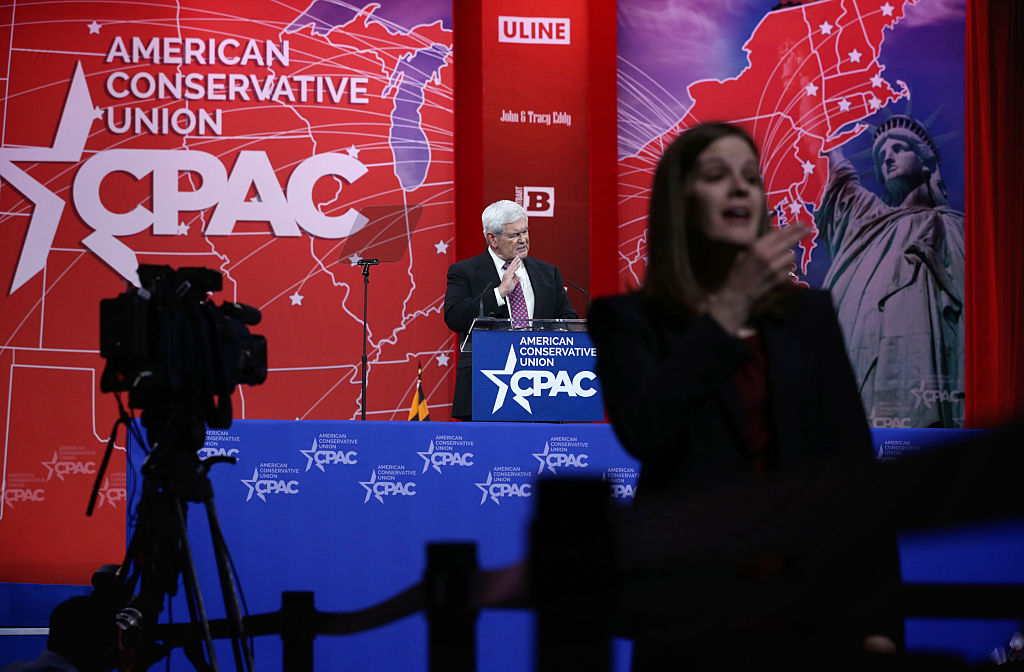
The Trump Administration is facing significant backlash from disability advocates after the discontinuation of real-time American Sign Language (ASL) interpretation at many official events. This decision has raised serious concerns regarding accessibility and equal access to government information for deaf and hard-of-hearing individuals.
Advocates argue that the removal of ASL interpreters hinders the ability of these communities to fully engage in civic life. According to the Americans with Disabilities Act (ADA), federal law mandates reasonable accommodations to ensure public access, particularly during live announcements concerning public safety, health, and governance. The absence of ASL interpretation in these contexts jeopardizes the rights of individuals who rely on this service.
Legal Challenges and Cultural Implications
The legal landscape surrounding this issue is becoming increasingly contentious. A federal judge has previously ruled that ASL interpretation must be provided at events if notice is given in advance, creating additional pressure on the administration to comply with federal regulations. As advocates continue to fight for their rights, the broader cultural implications of accessibility are coming into sharper focus.
Earlier this week, U.S. Senator Marco Rubio criticized the use of the “Calibri” font in federal documents, labeling it as “woke.” This decision, he argues, overlooks the font’s intended purpose: enhancing readability for individuals with visual impairments. Advocates contend that such actions reflect a misunderstanding—or outright dismissal—of the necessity of accommodations, which are essential for ensuring that disabled individuals can navigate a world that has not been designed with their needs in mind.
Disability advocates assert that ramps, captions, readable fonts, and interpreters are not merely preferences; they are legally required under the ADA. The ongoing removal of these essential services is viewed not just as a policy decision but as a concerning trend that treats accessibility as an inconvenience rather than a civil right.
The Road Ahead for Accessibility Rights
As the legal battle unfolds, advocates are committed to raising awareness about the importance of accessibility in all facets of public life. The struggle extends beyond the White House’s decisions; it reflects a societal challenge regarding how disabled individuals are perceived and treated.
The implications of this controversy are far-reaching. Advocates emphasize that if accessibility continues to be compromised, the consequences will extend well beyond the confines of a single White House briefing. Engaging in this discourse is not just about compliance with legal standards; it is about ensuring that every individual has the opportunity to participate fully in their government and community.
In light of these developments, the dialogue around accessibility is expected to intensify, with advocates urging for a renewed commitment to inclusive practices that uphold the rights of all citizens. As this situation evolves, it will be crucial to monitor both the legal outcomes and the broader cultural shifts that accompany them.