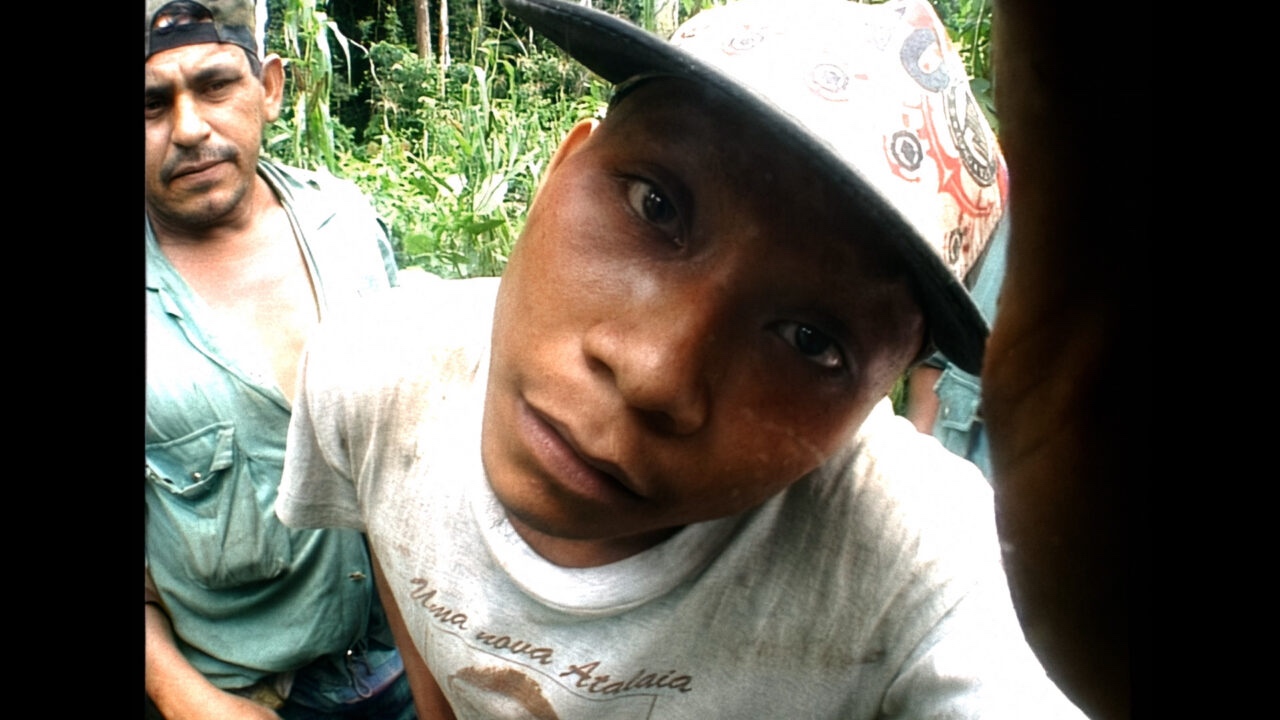
A new documentary titled Amazomania reexamines a 1996 expedition to the Amazon rainforest that resulted in the first contact with the Korubo tribe. Directed by Nathan Grossman, known for previous works like I Am Greta, the film critiques the portrayal of indigenous peoples through the lens of Western media. It will have its world premiere in the main competition of the 23rd edition of CPH:DOX, the Copenhagen International Documentary Film Festival, on March 16, 2024.
In Amazomania, Grossman presents a two-part narrative. The first section revisits the original footage of the 1996 expedition, organized by Swedish journalist Erling Söderström and a Brazilian civil servant. This trip was initially celebrated for its rare insight into the Korubo, a tribe that has chosen to remain isolated from mainstream civilization. The footage, once considered groundbreaking, is now scrutinized through the lens of colonial legacy and ethical filmmaking.
The second half of the documentary follows Söderström’s return to the Korubo tribe three decades later. His anticipated reunion does not unfold as he hoped, exposing significant misunderstandings. The Korubo tribe expresses their desire for compensation for their portrayal and insists on owning the narrative of their own story. According to the CPH:DOX website, Amazomania “is a complex study in documentary method and ethics,” inviting audiences to reflect on their own perspectives.
The documentary’s production involved collaboration with the Korubo community, making them executive producers, which adds a layer of authenticity and representation. Grossman emphasizes the importance of understanding the tribe’s views and experiences, particularly their initial reactions to the Western media. He discovered that the Korubo perceived the camera as a weapon, highlighting their unfamiliarity with industrialized objects.
Grossman’s journey to create Amazomania began during the COVID-19 pandemic when he learned about the existence of an archive of the 1996 footage. He uncovered around 60 to 70 hours of material that had not been previously digitized. This extensive archive allowed him to explore a narrative that differed significantly from the early 2000s portrayal of the expedition.
Engaging with anthropologists and community members, Grossman sought to understand the Korubo’s perspective on their representation in media. He noted a prevailing disappointment among them regarding previous portrayals, inspiring a more collaborative and ethical approach in the making of Amazomania.
The film has garnered positive reactions from early audiences, who initially enjoy the adventure aspect before confronting a more critical examination of their fascination with the images presented. Grossman aims to create a dialogue that includes viewers in this critique, challenging them to reflect on their perceptions of indigenous cultures.
The documentary also addresses broader themes such as reparations and the representation of marginalized communities in media. Grossman believes that Amazomania can serve as a vital resource for understanding ethical considerations in future interactions with isolated groups. He highlights that more than 200 groups still live in voluntary isolation, underscoring the need for informed and respectful engagement.
As Grossman looks ahead, he hopes that the film will lead to better practices in the future, particularly in terms of indigenous rights and representation. The Korubo community’s involvement in the film marks a significant step towards owning their narrative, and Grossman envisions a future where they have the rights to their stories and can create their own films.
In conclusion, Amazomania serves as both a reflection on the past and a call to action for more ethical engagement with indigenous communities. As it prepares for its world premiere, the documentary promises to spark important conversations about representation, colonial legacy, and the responsibility of filmmakers to their subjects.