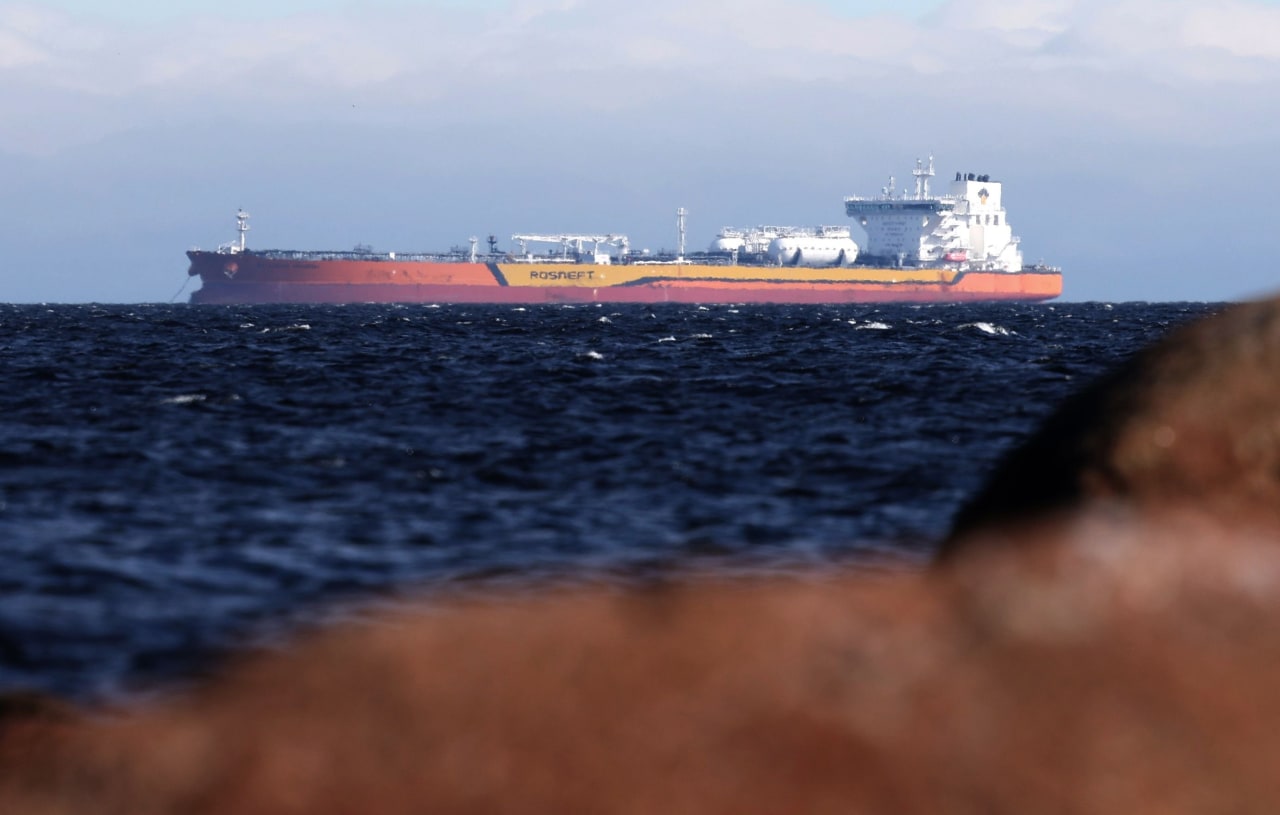
The European Union has imposed stringent sanctions on two prominent Russian oil traders, significantly impacting the clandestine oil market that has financially supported Moscow’s military actions in Ukraine. This decisive move, announced on October 10, 2023, aims to undermine Russia’s revenue streams amid the ongoing conflict.
The targeted traders, identified as Vladimir Kovalchuk and Igor Smirnov, are key figures in Russia’s oil trade. Their operations have reportedly facilitated the sale of oil to countries that have not aligned with Western sanctions. The sanctions come as the EU intensifies its efforts to weaken Russia’s economic capabilities, particularly in the energy sector, which plays a crucial role in funding its military operations.
Sanctions’ Impact on the Oil Trade
The sanctions entail asset freezes and travel bans for Kovalchuk and Smirnov, alongside restrictions on any transactions involving their companies. The EU’s actions are part of a broader strategy to isolate Russia economically and politically. According to a statement from the EU Council, these measures are designed to disrupt the flow of oil revenues, which have been vital for financing the war against Ukraine.
In recent months, the EU has focused on closing loopholes that allow Russian oil to reach international markets. The bloc’s measures have targeted not only traders but also shipping companies and financial institutions that facilitate these transactions. The sanctions against Kovalchuk and Smirnov are expected to further complicate Russia’s ability to sell oil and generate revenue.
Broader Implications for Russian Economy
The impact of these sanctions extends beyond the individuals directly targeted. The Russian economy, heavily reliant on oil exports, faces increasing pressure from international isolation. The EU, which previously imported a significant amount of Russian oil, has been actively seeking alternative energy sources and suppliers. The sanctions are part of a concerted effort to reduce dependency on Russian energy and to promote energy security within the EU.
As the conflict in Ukraine continues, the EU’s approach to sanctions is likely to evolve. Officials have indicated that they will continue to monitor the effectiveness of these measures and may consider additional sanctions if necessary. The ongoing situation highlights the intricate relationship between energy trade and geopolitics, illustrating how economic measures can serve as tools of foreign policy.
The sanctions against Kovalchuk and Smirnov represent a critical step in the EU’s strategy to weaken Russia’s economic base, which has been crucial for sustaining its military endeavors. With the conflict showing no signs of resolution, the international community remains vigilant in its efforts to hold Russia accountable for its actions in Ukraine.