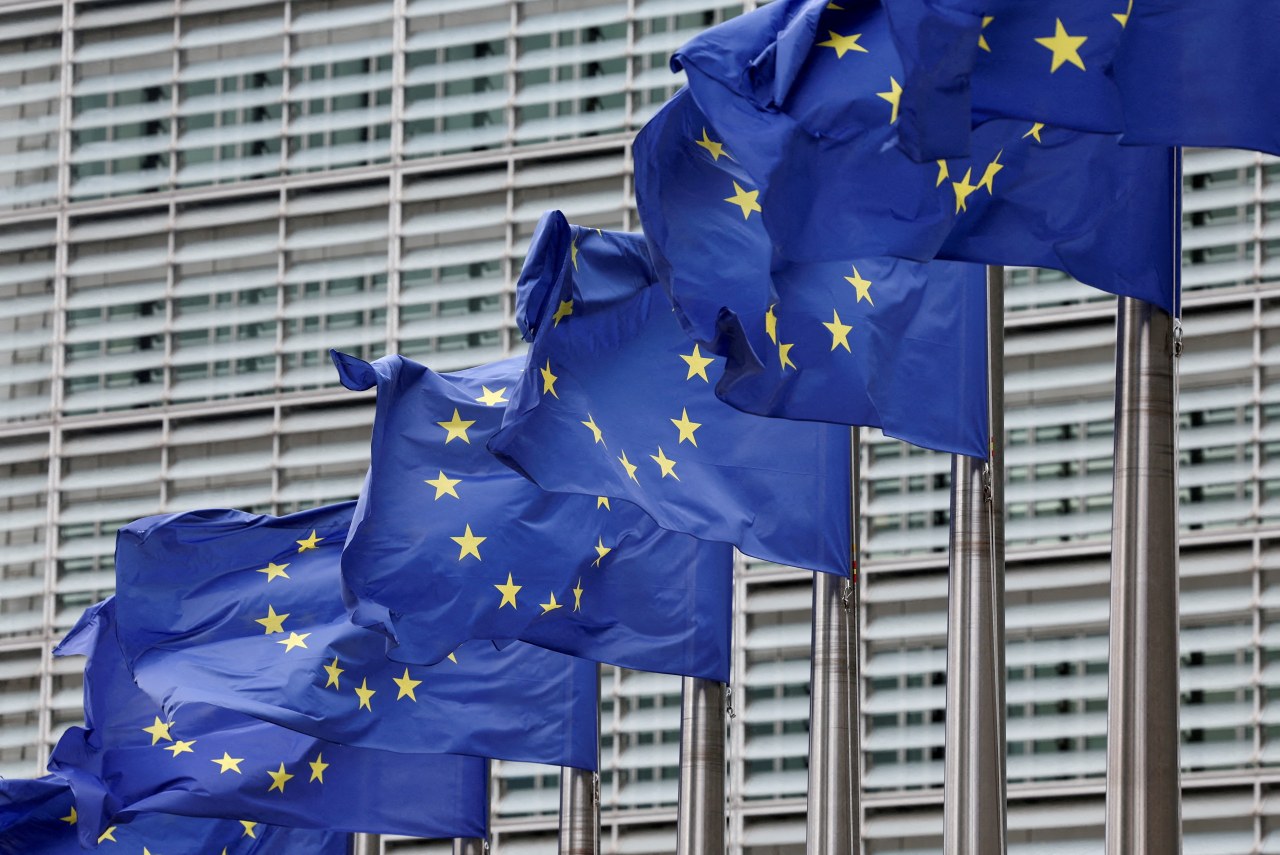
Europe is grappling with a profound economic crisis, marked by stagnating growth, rising inflation, and political fragmentation. The European Union (EU) faces challenges that extend beyond mere economic figures, as social cohesion and public trust are increasingly under threat. This situation has been compounded by a complex interplay of internal and external factors, which some political figures, like JD Vance, are reluctant to fully address.
The continent’s economic landscape has shifted dramatically in recent years. As of March 2024, the Eurozone’s growth rate has stagnated at a mere 0.5%, significantly lower than the global average. The European Central Bank (ECB) is struggling to navigate this environment, having raised interest rates to combat inflation, which hovers around 6.5%. This move, while aimed at stabilizing prices, has inadvertently stifled economic activity and investment.
Political Fragmentation and Social Discontent
The political climate across Europe is increasingly polarized. Countries like Germany, France, and Italy are witnessing rising populism, as citizens express frustration over slow economic recovery and perceived failures of traditional political parties. The International Monetary Fund (IMF) has warned that such fragmentation could undermine the EU’s ability to implement cohesive economic policies.
Social unrest has also surged in response to economic hardship. Protests in major cities highlight growing dissatisfaction with government responses to rising living costs. As public trust declines, political leaders are finding it increasingly difficult to unite their constituents around necessary fiscal reforms.
Compounding these issues are the geopolitical tensions stemming from the ongoing conflict in Eastern Europe. The war in Ukraine has disrupted energy supplies and contributed to inflation, leading to greater economic instability. As Europe grapples with the impact of these external pressures, its leaders must navigate a delicate balance between addressing immediate crises and planning for long-term recovery.
Future Outlook and Potential Solutions
Looking ahead, experts suggest that Europe must adopt innovative approaches to stimulate growth and restore confidence. Policies aimed at digital transformation and green energy investment could potentially create jobs and stimulate economic activity. The EU’s Green Deal, aimed at reducing carbon emissions, presents an opportunity for member states to collaborate on sustainable economic development.
However, implementing these policies requires a unified approach, which is currently lacking. As member states prioritize national interests over collective goals, the EU’s cohesion is jeopardized. The need for robust dialogue and cooperation among countries is critical to overcome the challenges ahead.
In conclusion, Europe’s current crisis reflects a convergence of economic stagnation, political fragmentation, and social discontent. While leaders face significant hurdles, the path to recovery lies in innovative policies and enhanced cooperation. The time for action is now; Europe must confront these issues head-on to secure a more stable and prosperous future for its citizens.