The European Union is currently evaluating the potential release of approximately $300 billion in frozen Russian assets, a decision that could significantly impact its stance on the ongoing conflict in Ukraine. This consideration arises amid rising pressure from various sectors, including businesses and economists, to rethink the strategy concerning these funds.
As the war in Ukraine continues, the European Union, along with the United States and other allied nations, has implemented sanctions targeting key Russian financial resources. These measures have aimed to restrict the Kremlin’s ability to fund its military operations. However, the growing economic strain on European nations has led to discussions about the feasibility of utilizing these frozen assets to support Ukraine’s reconstruction and alleviate inflation pressures within the EU.
Economic Implications of Releasing Assets
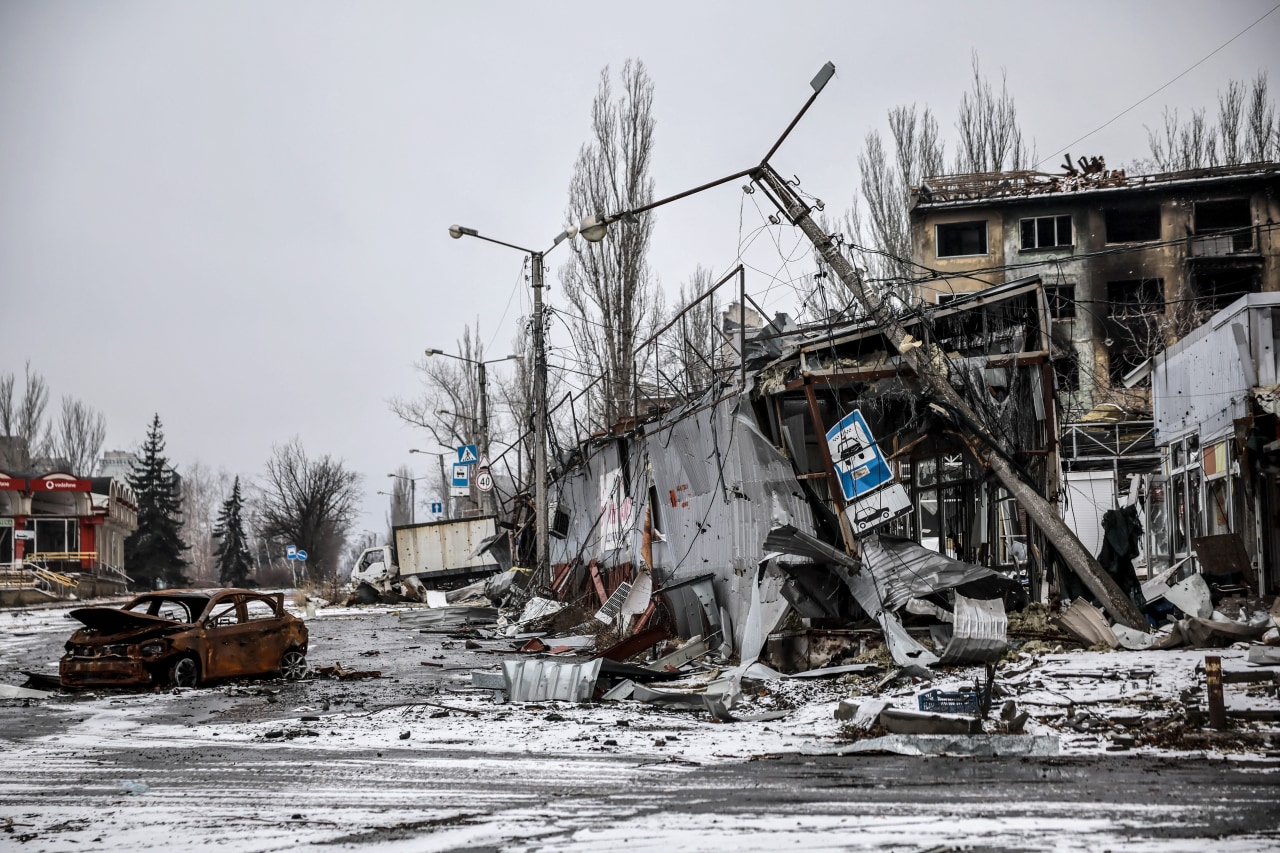
Releasing the frozen assets could provide a substantial financial boost to Ukraine, which is grappling with extensive destruction of infrastructure and a significant humanitarian crisis. According to estimates from the International Monetary Fund (IMF), Ukraine requires around $5 billion per month for its recovery efforts. The potential unlocking of $300 billion could thus be instrumental in providing immediate relief.
Supporters of releasing the funds argue that using Russian assets for Ukraine’s recovery would serve both justice and practical economic interests. A report from the European Commission indicates that the EU could see a boost in economic stability by addressing inflation through this financial support. Critics, however, caution that releasing these assets might undermine the message of accountability for Russian aggression and could embolden further actions by the Kremlin.
While the G7 countries are discussing various scenarios for the use of these assets, including their potential repurposing for humanitarian aid or reconstruction efforts, the decision remains complex. The ramifications could extend beyond immediate economic benefits, influencing international relations and future diplomatic negotiations.
Political Considerations and International Relations
The implications of releasing Russian assets involve not only economic factors but also significant political considerations. There are fears that yielding to pressure could diminish the EU’s position in asserting consequences for Russia’s actions. European leaders are thus caught in a delicate balancing act, aiming to provide support for Ukraine while maintaining a firm stance against Russian aggression.
Statements from EU officials reflect a cautious approach. For instance, Ursula von der Leyen, President of the European Commission, emphasized the need to carefully assess the long-term impacts and the message it sends regarding accountability. Moreover, the potential for backlash from Russian officials and the ramifications on future negotiations are also key elements in the discussions.
As the situation continues to evolve, the EU finds itself at a crossroads. The decision regarding the frozen assets will likely influence not only the course of the war in Ukraine but also the broader geopolitical landscape. The outcome of these deliberations will be closely watched as implications extend far beyond Europe, affecting global markets and international relations.
In conclusion, as Europe contemplates the fate of Russia’s frozen assets, the intersection of economic necessity and political strategy becomes increasingly evident. The ongoing discussions will play a pivotal role in shaping the future of both Ukraine and the EU’s international standing in the face of ongoing conflict.