The United States remains the largest aviation market globally, with nearly 900 million passengers transported by commercial aircraft in 2024. This figure represents a significant lead over China, which logged just under 750 million passengers during the same period. The vast majority of these travelers flow through a select group of major hubs, with the top airport being Hartsfield-Jackson Atlanta International Airport (ATL), which managed over 105 million passengers last year. As the aviation industry continues to evolve, a closer look at the top seven U.S. airports reveals their impressive statistics and ongoing developments.
7. Charlotte Douglas International Airport
Charlotte Douglas International Airport (CLT) ranks as one of the fastest-growing airports in the United States, serving as a critical hub for American Airlines. In 2024, CLT welcomed over 55 million passengers and established itself among the world’s busiest airports by operations. The airport reported its highest traffic volume to date, providing services to 188 destinations, including 40 international routes. This year, CLT is undergoing a $4 billion capital improvement program dubbed “Destination CLT,” which includes a substantial $608 million expansion of its main lobby, expected to enhance efficiency by consolidating security checkpoints.
6. John F. Kennedy International Airport
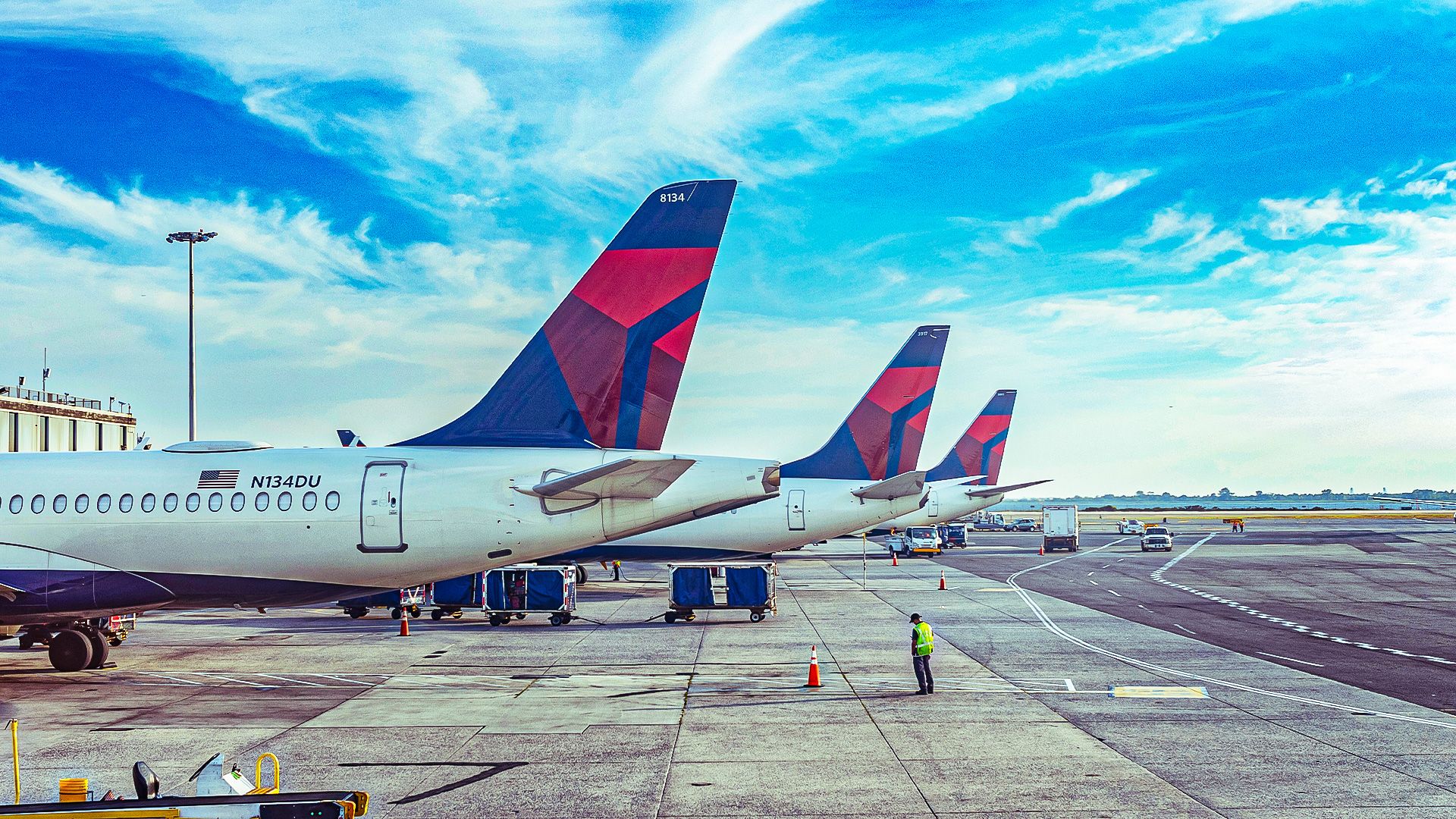
In New York, John F. Kennedy International Airport (JFK) recorded over 55 million passengers in 2024, marking its busiest month ever in August, when 6 million travelers passed through its gates. With more than 90 airlines operating nonstop flights to six continents, JFK plays a vital role in international air travel. The airport is notably served by Delta Air Lines, which holds over a third of the market share. Originally opened in 1948, JFK has a rich history and was renamed in honor of President John F. Kennedy in 1963 following his assassination.
5. Los Angeles International Airport
Los Angeles International Airport (LAX) stands among the busiest airports globally, serving over 75 million passengers in 2024. It is recognized as the busiest hub on the West Coast and is currently undergoing extensive renovations to prepare for the 2028 Olympics. With major airlines, including American Airlines, United Airlines, and Delta Air Lines, all operating hubs at LAX, nearly 90% of its travelers are non-connecting passengers. This unique aspect highlights LAX’s role as a primary destination for many.
4. Chicago O’Hare International Airport
Chicago O’Hare International Airport (ORD) has emerged as a dual mega hub, primarily serving United Airlines and American Airlines. In 2024, ORD recorded over 80 million passengers, making it the busiest year in its history. With 214 domestic destinations at its peak, the airport boasts the most active runways of any civilian airport worldwide. Originally established to support military operations during World War II, O’Hare continues to evolve and is projected to reclaim its title as the world’s busiest airport based on aircraft movements.
3. Denver International Airport
Denver International Airport (DEN) is the third-busiest airport in the U.S. and the largest by land area, accommodating over 80 million passengers in 2024. The airport has made significant strides in transitioning from a mid-tier hub to a global leader in international traffic. It serves as the largest hub for United Airlines and is the largest operating base for Southwest Airlines. As the largest employer in Colorado, DEN contributes nearly $50 billion to the state’s economy. Notably, it covers an impressive 53 square miles of land, making it twice the size of Manhattan.
2. Dallas/Fort Worth International Airport
Dallas/Fort Worth International Airport (DFW) experienced its best year on record in 2024, accommodating nearly 88 million passengers. With ambitions to surpass 100 million annually by the end of the decade, DFW holds the largest portfolio of destinations in North America, including 73 international locations. The airport is currently advancing the “DFW Forward” project, which aims to invest up to $12 billion in a new terminal and significant renovations to existing ones. Established in the 1970s, DFW has been instrumental in shaping the Dallas area’s aviation landscape.
1. Hartsfield-Jackson Atlanta International Airport
Hartsfield-Jackson Atlanta International Airport (ATL) has retained its title as the world’s busiest airport by passenger traffic, achieving over 105 million passengers in 2024. It serves as the main hub for Delta Air Lines and was the first airport to surpass 100 million passengers in a single year back in 2015. In 2024, ATL saw approximately 800,000 operations, connecting over 150 domestic and 70 international destinations. The airport’s expansive infrastructure includes 4,700 acres of land and five parallel runways, supporting its significant role in global aviation.
As the aviation industry continues to adapt and expand, these major hubs will likely play critical roles in shaping the future of air travel, driving both economic growth and connectivity across the globe.