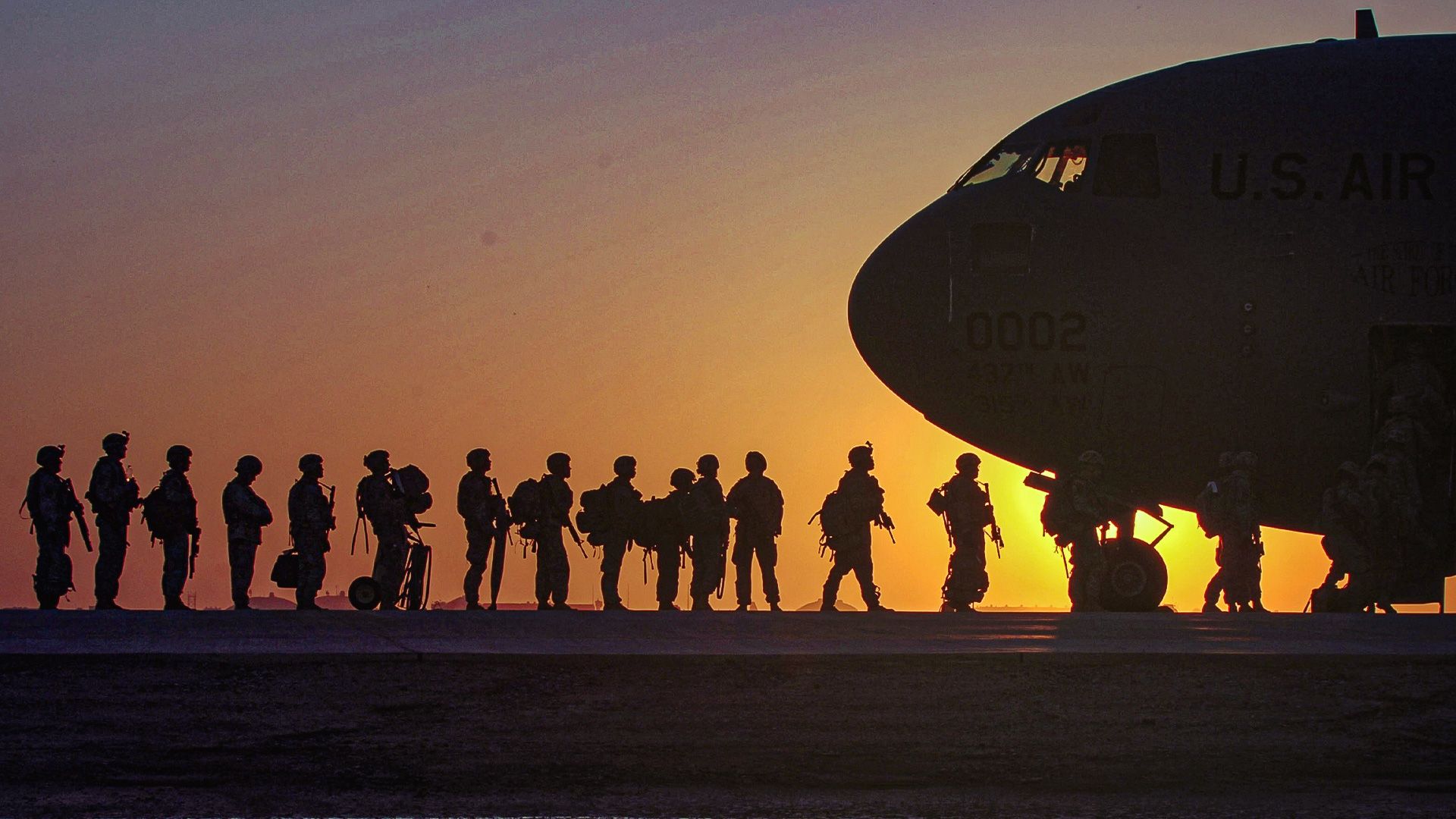
The United States Air Force (USAF) maintains a diverse network of air bases across its territory, with some installations serving critical strategic functions despite their small size. While larger bases like Eglin Air Force Base and Nellis Air Force Base dominate discussions on US airpower, five of the smallest air bases are noteworthy for their unique missions and operational roles. This article examines these compact installations, which play vital roles in training and specialized operations while maintaining active airstrips.
Grand Forks Air Force Base: A Shift in Operational Focus
Located in North Dakota, Grand Forks Air Force Base has transitioned from a bustling Strategic Air Command (SAC) hub during the Cold War to a quieter installation today. Historically, it was home to squadrons of Boeing B-52 bombers, contributing significantly to national defense. By the late 1970s, the base shifted its focus to air refueling under the 319th Air Refueling Wing, utilizing KC-135 Stratotankers for global refueling missions.
Today, the base has reduced its active airfield operations, predominantly focusing on remotely piloted aircraft (RPA) and intelligence, surveillance, and reconnaissance (ISR) missions. Although it retains a long runway and extensive infrastructure, the daily activity level is minimal, reflecting a significant shift in its operational profile. As of December 2024, the B-1B fleet is stationed there temporarily, but the primary focus remains on the 319th Reconnaissance Wing and its RPA operations.
Altus Air Force Base: Training for Heavy Aircraft Operations
In southwestern Oklahoma, Altus Air Force Base serves as a compact airfield dedicated to training mobility aircrews. Home to the 97th Air Mobility Wing, the base operates C-17 Globemaster III and KC-46 Pegasus aircraft. Despite the capability to accommodate large aircraft, Altus has a smaller operational footprint compared to major airlift hubs like Dover or Travis Air Force Bases.
The base conducts predictable training sorties, allowing for efficient flight operations without a constantly deployed fleet. Its layout includes two primary runways designed for heavy aircraft, showcasing how Altus can support large operations while remaining manageable. The emphasis on training rather than deployment highlights the unique role of this installation.
Columbus Air Force Base: High-Turnover Pilot Training
Columbus Air Force Base in Mississippi exemplifies a high-tempo training environment within a limited airfield footprint. This installation is dedicated to pilot training, featuring squadrons such as the 37th Flying Training Squadron and 41st Flying Training Squadron, which operate the T-6A Texan II for primary flight training and T-38C Talon for advanced instruction.
With a busy flight schedule, Columbus maintains frequent aircraft movements while keeping its infrastructure lean. The airfield is designed for rapid, efficient training, striking a balance between operational tempo and physical size. This focus on precision and throughput rather than sheer scale is indicative of the base’s strategic importance in developing future pilots.
Laughlin Air Force Base: Specializing in Pilot Training
In Del Rio, Texas, Laughlin Air Force Base operates one of the most concentrated pilot training programs within the USAF. The base’s compact footprint is tailored specifically for undergraduate pilot training, with structured flows of sorties that maintain consistent activity levels.
The 47th Flying Training Wing uses the T-6A Texan II and T-38C Talon to efficiently guide student pilots from basic to advanced skill levels. Laughlin’s focus on predictability and high sortie rates demonstrates how a small base can support extensive training without the logistical complexities associated with larger military airfields.
Cannon Air Force Base: Supporting Complex Missions
Located near Clovis, New Mexico, Cannon Air Force Base is home to the 27th Special Operations Wing, which undertakes some of the most complex aviation missions within the Air Force. Despite its modest airfield size, Cannon supports a diverse range of aircraft, including the Bell Boeing CV-22B Osprey and the Lockheed MC-130J Commando II.
The base operates two runways, facilitating highly specialized missions that require precision and flexibility. Cannon’s operational profile is characterized by a mix of unique aircraft and mission sets, underscoring how smaller installations can effectively execute critical operations, including night missions and aerial refueling.
The five smallest US Air Force bases, while not as visible as their larger counterparts, play essential roles in the overall strategic framework of the Air Force. Their unique missions and training capabilities demonstrate that size does not always equate to significance, as these installations contribute to national security in diverse and impactful ways.