A South Korean court has sentenced former President Yoon Suk Yeol to five years in prison following charges related to his controversial imposition of martial law. The ruling marks a significant moment in South Korea’s legal landscape, as it is the first conviction against Yoon in a series of eight criminal trials stemming from the decree he issued in late 2024.
The court’s decision was announced on Friday, with judges citing the severity of Yoon’s actions during a period of national unrest. His decree, which allowed for increased government control and limitations on civil liberties, has been widely criticized for undermining democratic principles.
Legal Context and Implications
The verdict carries substantial implications for South Korea’s political environment. Yoon’s case has attracted considerable attention, as it tests the boundaries of accountability for leaders in the country. His administration faced allegations of authoritarianism, particularly during the period when martial law was declared.
This ruling reflects a broader trend in South Korea, where former leaders have faced legal scrutiny after leaving office. The court’s decision not only impacts Yoon’s personal freedom but also sends a message about the judiciary’s role in upholding democratic norms.
In a statement following the verdict, the court emphasized the importance of maintaining public trust in government institutions. The judges noted that Yoon’s actions could not be justified, given the circumstances under which the martial law decree was enacted.
Public Reaction and Future Challenges
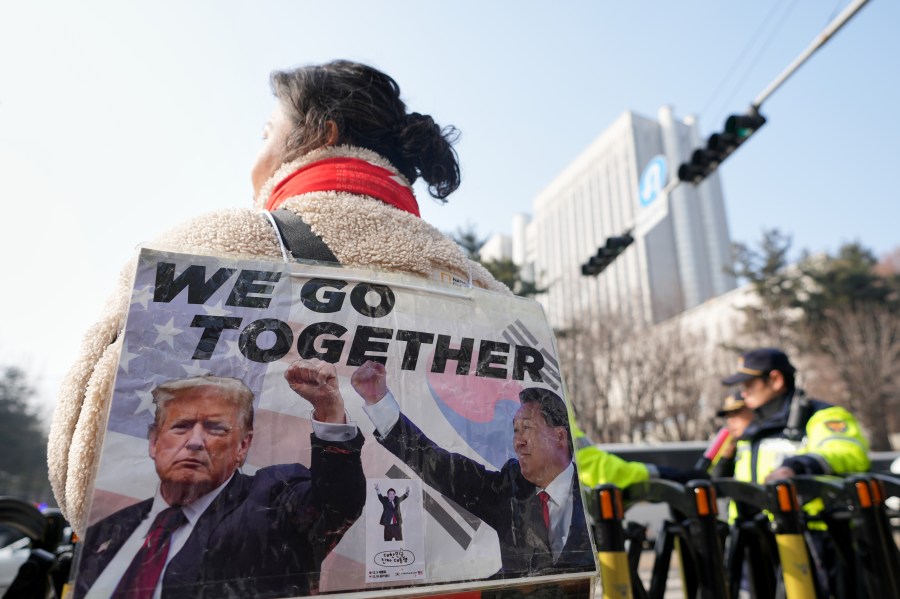
Public reaction to the sentencing has been mixed. Supporters of Yoon view the ruling as politically motivated, arguing that it could undermine his legacy and influence within the party. Conversely, many citizens and political analysts have applauded the decision, seeing it as a necessary step toward accountability.
As Yoon prepares to appeal the verdict, the political landscape in South Korea remains fraught with challenges. His legal battles are expected to continue, with upcoming trials addressing additional allegations related to his presidency. The outcome of these proceedings may further shape the nation’s approach to governance and the rule of law.
This case illustrates the complex interplay between politics and justice in South Korea, highlighting the evolving expectations of leaders and the legal consequences of their actions. The coming months will be critical in determining how this situation unfolds and its lasting impact on the country’s democratic institutions.