The ongoing conflict involving Iran has led to a significant rise in gas prices across the United States, with New Yorkers facing an average of $3.58 per gallon for regular unleaded fuel as of Saturday. This marks a sharp increase from just $2.86 three weeks earlier, according to data from GasBuddy. Some stations in the region are already approaching the $4 mark, highlighting the impact of geopolitical events on local economies.
Oil Supply Disruption
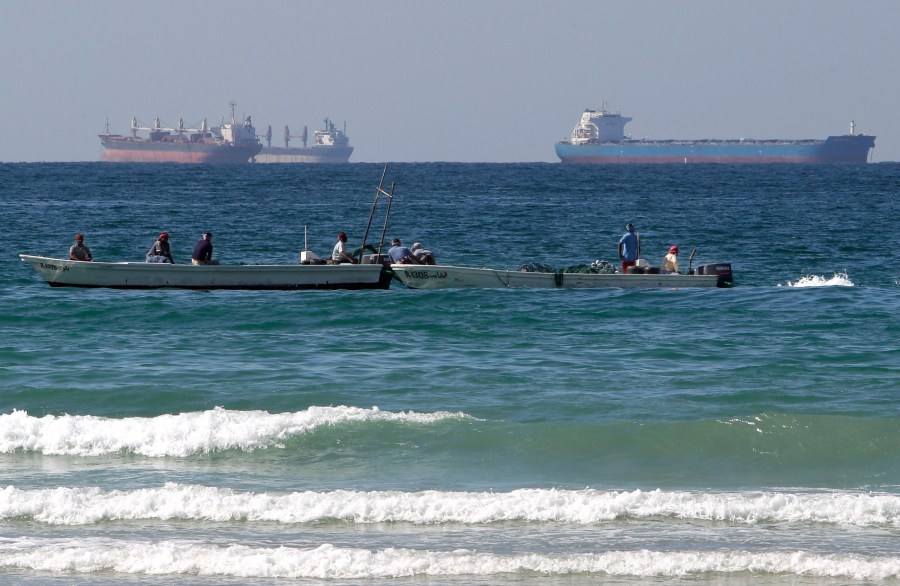
The surge in gas prices is primarily attributed to the blockade of the Strait of Hormuz, a critical passageway for oil shipments, which Iran has enforced in response to a US and Israeli bombing campaign that began on February 28, 2024. This blockade has resulted in approximately one-fifth of the world’s oil supply being shut down, exacerbating existing supply constraints.
Nationally, the average price at the pump rose by 26 cents over the past week alone, reaching $3.68 on Saturday. This represents a staggering 70-cent increase since the onset of the conflict, marking the highest prices seen since May 2024. For context, a gallon of regular fuel was priced at a more manageable $2.98 just before the first airstrikes.
Government Response and Market Trends
The impact of these rising prices is compounded by the current market conditions, with crude oil priced at just over $100 per barrel. As the United States transitions to summer-blend gasoline, which is more environmentally friendly but costlier to produce, analysts suggest that the upward trend in prices may continue.
In an effort to alleviate the pressure on domestic fuel prices, President Donald Trump announced on Wednesday the release of 172 million barrels from the US Strategic Petroleum Reserve, marking the largest release in American history. Despite this measure, the emergency supply will only cover slightly more than eight days of the nation’s daily consumption of approximately 20 million barrels.
As the situation evolves, consumers and businesses alike will be closely monitoring gas prices and their potential implications for the broader economy. With the ongoing conflict likely to affect global oil markets, the hope for a return to more stable pricing remains uncertain.