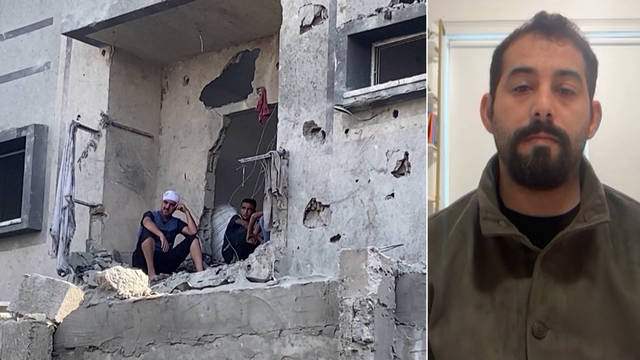
Mosab Abu Toha, a Pulitzer Prize-winning poet from Gaza, has voiced his concerns regarding the ongoing humanitarian crisis in the region, asserting that the situation remains dire despite the recent ceasefire. In an interview with *Democracy Now!*, Abu Toha emphasized that the violence continues unabated, labelling it a “genocide” that is far from over.
The conversation comes in the wake of a report published in the British medical journal *The Lancet*, which revealed that the toll of casualties from Israel’s military actions in Gaza is significantly higher than previously reported. The study indicated that over 75,000 violent deaths occurred in the first 16 months of the conflict, starkly contrasting with the 49,000 deaths reported by the Palestinian Health Ministry during the same timeframe.
Abu Toha, who left Gaza with his family in 2023 after suffering imprisonment and abuse by Israeli forces, described the current conditions as catastrophic. “Since the ceasefire took effect, Israel has killed over 642 people, including 197 children,” he stated. He compared this loss to the massacre of ten students in a public school in the United States, highlighting the human cost of the ongoing violence.
Despite claims of a ceasefire brokered by the United States in October 2023, strikes within Gaza have continued. Abu Toha pointed out that the humanitarian aid entering the region is insufficient, with Israel allowing only 43% of the agreed food trucks to enter, and a mere 15% of fuel trucks.
The poet’s reflections on the humanitarian catastrophe extended to the medical crisis in Gaza, where approximately 20,000 patients are in urgent need of evacuation, including around 4,500 children and numerous cancer patients. Tragically, over 3,300 individuals have died while awaiting medical attention.
Abu Toha also condemned recent comments by former Arkansas Governor Mike Huckabee, suggesting that Israel has a divine right to expand its territory. “As a Palestinian, I don’t belong to anywhere else than Palestine,” he said, stressing the historical connection his family has to the land. His grandparents lived in Jaffa before being expelled in 1948.
The poet lamented the lack of global response to the suffering in Gaza, stating, “The stories of people dying because they need medical evacuation did not start in 2023. They are ongoing, and the world has largely remained silent.”
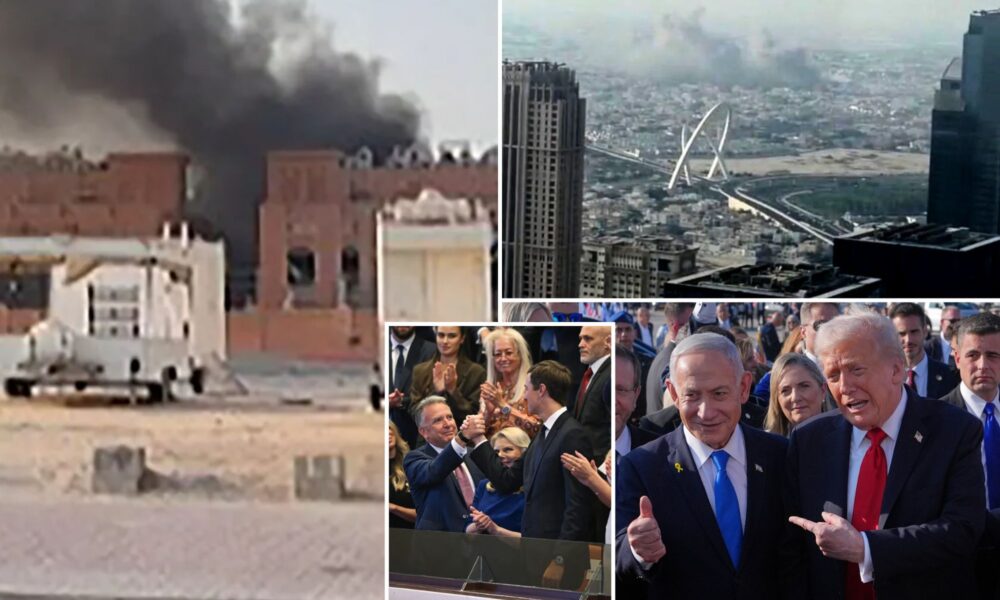
Amidst these discussions, President Donald Trump announced plans for a new initiative dubbed the “Board of Peace,” proposing to allocate $10 billion in U.S. funds to turn Gaza into a luxurious resort. Abu Toha dismissed this initiative, suggesting that it fails to address the fundamental issues of justice and humanitarian aid.
As he concluded his remarks, Abu Toha urged international leaders to focus on justice for the Palestinian people rather than merely providing funds for reconstruction. “Instead of raising money to rebuild Gaza, we need to stop sending bombs that destroy our homes,” he emphasized.
The ongoing conflict and its devastating impact on the population of Gaza continue to elicit strong reactions from the international community, raising questions about accountability and the future of peace in the region.