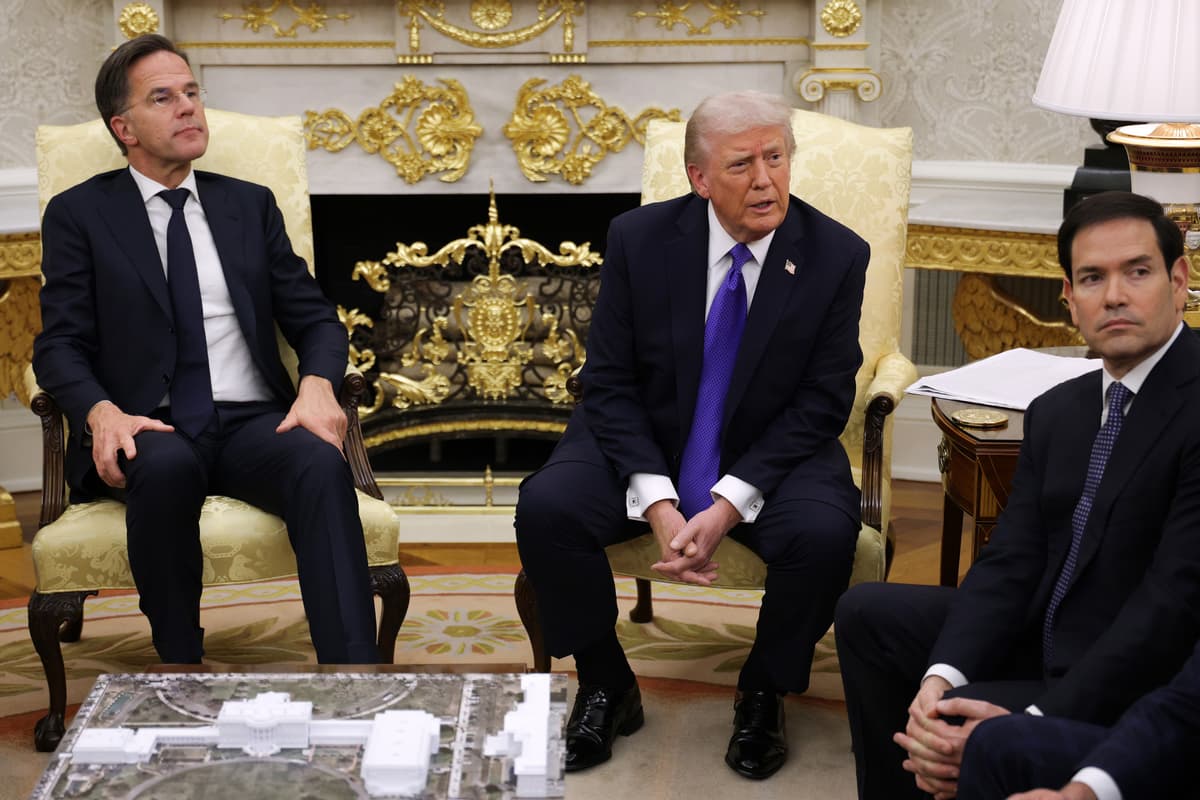
Global markets experienced turbulence following a sharp sell-off in U.S. assets, prompted by President Donald Trump’s threats to impose extensive tariffs on European allies over a dispute concerning Greenland. This move, which has raised concerns about escalating trade tensions, reverberated across international markets, leading to declines in Asia and mixed results in Europe.
The sell-off began in the United States, where major stock indexes dropped significantly after President Trump announced plans to target eight European nations with new tariffs unless they supported a U.S. takeover of Greenland. Investors reacted swiftly, fearing that renewed trade restrictions could hinder global economic growth. As a result, benchmark indexes in Asia fell, with Taiwan’s Taiex index declining by more than 1.5 percent, while Japan’s Topix dropped by 1 percent.
In Europe, market reactions varied. Both France and Germany witnessed small declines in their stock markets, while British stocks remained largely unchanged. U.S. stock futures indicated a slightly higher open, suggesting cautious optimism among traders despite the prevailing uncertainty.
The foreign exchange market also reflected the tumult, with the U.S. dollar weakening against the Japanese yen but gaining ground against the euro. Amid this volatility, the price of gold continued its upward trajectory, reaching a new record of over $4,800 an ounce. This surge underscores gold’s status as a safe haven for investors during periods of geopolitical instability.
A survey conducted by the London Bullion Market Association (LBMA) revealed that a majority of metals analysts expect gold to breach $5,000 per ounce for the first time later this year. The survey highlighted that “persistent geopolitical uncertainty — from conflicts to institutional tensions — keeps safe-haven demand elevated.”
This latest upheaval in global markets signals a return to the volatility driven by trade policies that has characterized much of President Trump’s second term. The implications of his administration’s aggressive stance on trade are likely to influence investor sentiment and market performance in the coming days.
As tensions continue to mount, stakeholders across various sectors will be closely monitoring developments related to U.S. trade policy and its potential impact on the global economy.