Governments worldwide are increasingly employing sophisticated propaganda strategies, leveraging technology to shape public perception and influence policy. The evolution of propaganda can be traced back to historical efforts, most notably during World War I when the United States established the Committee on Public Information (CPI). This initiative marked a significant shift, as it transformed propaganda into a systematic enterprise rather than a collection of disjointed efforts. The CPI saturated various media channels, including newspapers, films, and public speeches, to rally support for the war, establishing a model that blurred the lines between government and journalism.
In the years following World War II, the significance of influence campaigns solidified within U.S. defense strategy. The Department of Defense (DoD) introduced psychological operations, defined as organized efforts to convey selected information to foreign audiences aimed at influencing emotions and behavior. This approach has evolved into a comprehensive strategy articulated in documents like Joint Publication 3-13, which emphasizes the integration of various tools to manipulate adversary decision-making while safeguarding U.S. interests.
Modern Tactics and Global Adaptation
The post-9/11 landscape revealed the deep entrenchment of perception management strategies. The Washington Post’s Afghanistan Papers highlighted how U.S. officials conveyed misleadingly optimistic narratives while privately acknowledging a lack of coherent strategies. This disparity created a feedback loop where the narrative often dictated policy, overshadowing on-the-ground realities.
Other nations have adopted similar tactics, most notably Russia, which has modernized its approach through organizations like the Internet Research Agency. This entity utilized fabricated social media personas and emotional targeting during the 2016 U.S. election cycle, as documented by the U.S. Senate Intelligence Committee. The shift from traditional broadcasting to algorithm-driven content has allowed for a more personalized and pervasive influence on public sentiment.
One of the most striking recent examples of targeted influence comes from contractors linked to Israel. Reports indicate that these firms have employed geofencing techniques to deliver political messaging tailored to specific locations, particularly around U.S. churches. According to Foreign Agent Registration Act filings, a campaign named Show Faith by Works aimed to geofence major churches in states like California, Arizona, Nevada, and Colorado during worship times. This initiative proposed tracking attendees and continuing to target them with political advertisements, effectively delivering messaging directly to congregants while they are engaged in religious practices.
States are increasingly blending traditional messaging with modern social media strategies. Alongside geofencing, Israel’s Ministry of Foreign Affairs has funded a comprehensive influencer campaign. Invoices submitted to the U.S. Department of Justice reveal that Bridges Partners billed nearly $900,000 for the engagement of influencers to produce between 75 to 90 posts on platforms like TikTok and Instagram. Compensation for these posts ranged from $6,100 to $7,300, indicating a significant investment in shaping public narratives through seemingly personal endorsements.
The Shift to Algorithmic Propaganda
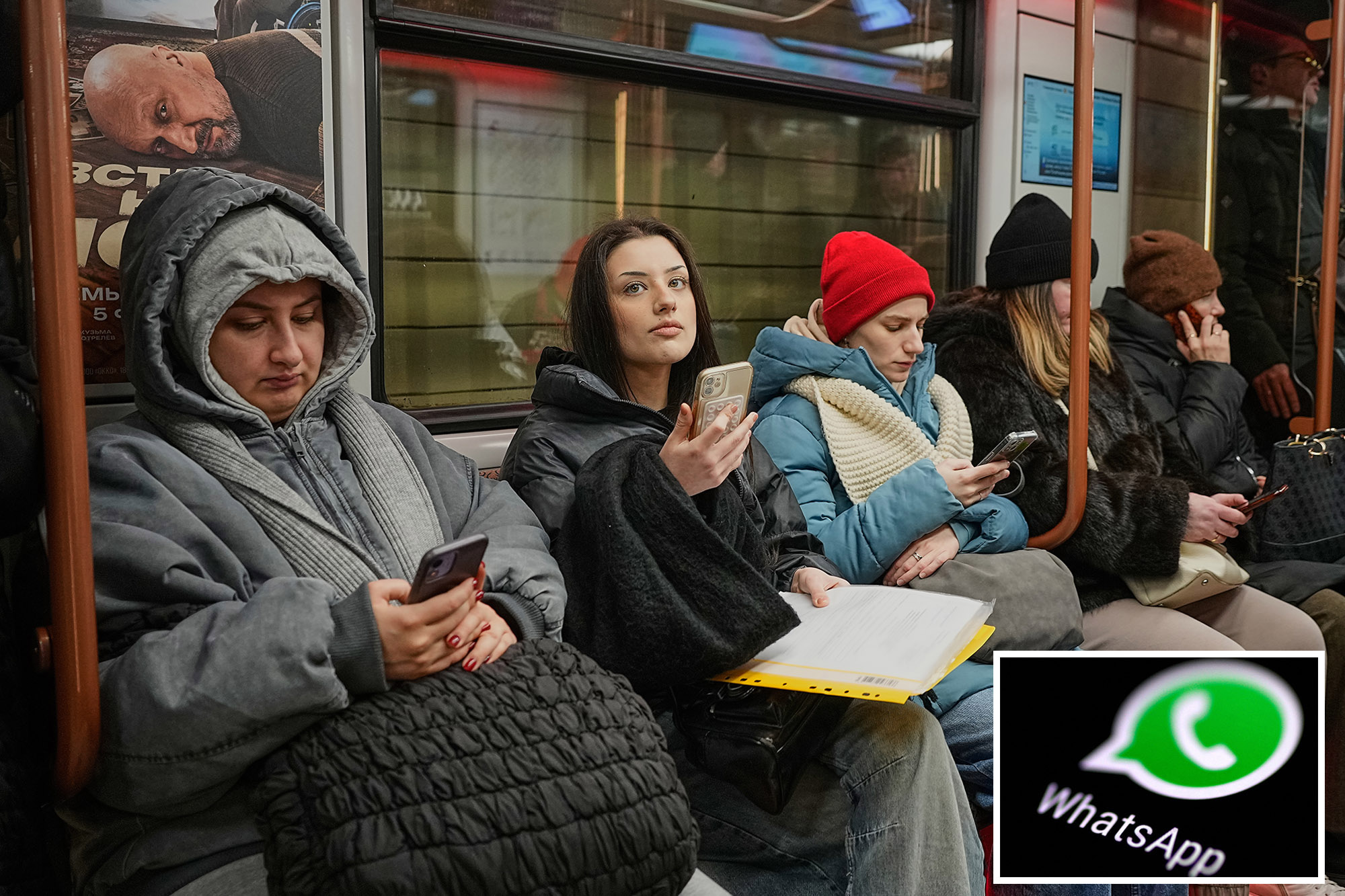
These developments reveal a fundamental transformation: propaganda is increasingly personalized and integrated into daily life. Cold War tactics, such as leafleting, have morphed into targeted social media campaigns. Traditional broadcast channels have been replaced by algorithm-driven content that follows individuals through their daily routines, making the messaging feel organic rather than orchestrated.
This shift has profound implications. Propaganda succeeds when it remains invisible, seamlessly woven into the fabric of everyday communication. The techniques have evolved, but the underlying objective remains unchanged: control the narrative, and you control the political landscape surrounding it. As governments continue to refine their strategies, the challenge for citizens becomes discerning the boundaries between genuine information and orchestrated messaging.