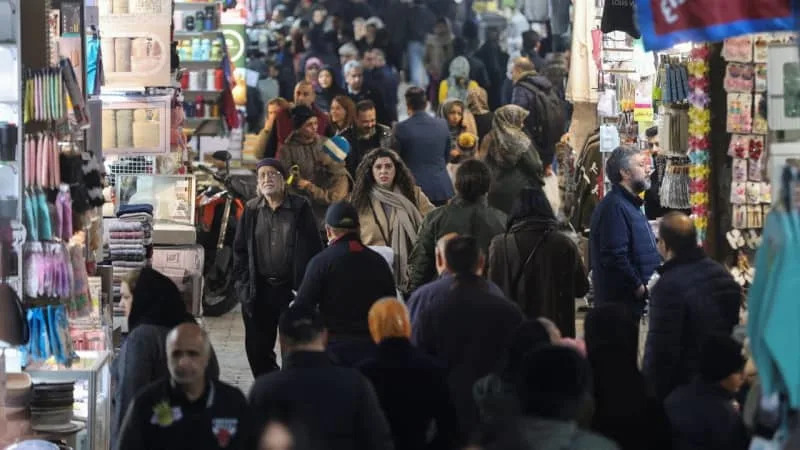
Iranian authorities have attempted to project an image of calm in Tehran as the nation endures a prolonged digital blackout, now entering its third week. Official media outlets assert that the capital has stabilized following extensive protests, despite reports of significant unrest and ongoing internet restrictions. As of January 16, 2024, NetBlocks, an organization monitoring internet access, reported a “significant return” of some online services, including Google, indicating a possible easing of the blackout.
State Media Pushes Narrative of Normalcy
State-run media such as the Islamic Republic of Iran Broadcasting (IRIB) and the Russian-linked Viory have been broadcasting images that suggest a return to everyday life in Tehran. IRIB presented footage of families skiing, accompanied by narration stating, “People are enjoying the beautiful snowfall.” However, the authenticity of this footage remains unverified, as independent sources, including the Jerusalem Post, have not been able to locate the original broadcast.
While these portrayals of tranquility circulate, many Iranians have faced severe limitations on their internet access for over 200 hours. Reports indicate that only select users, equipped with “white SIM cards,” have been able to connect online. As protests against the Iranian regime continue, the media blackout has intensified scrutiny of the government’s actions during this tumultuous period.
Protests and Government Response
The protests, now ongoing for 21 days, coincide with a significant escalation in state repression. IRIB has asserted that the internet is gradually returning, claiming that new footage is surfacing that portrays protesters as “armed aggressors.” This narrative is part of a broader strategy to frame the unrest in a negative light, suggesting that the government is justified in its response.
According to Filterwatch, a group dedicated to documenting internet censorship in Iran, the current digital isolation represents a permanent shift in the regime’s approach to information control. Their analysis suggests that unrestricted internet access is unlikely to return in the near future. Filterwatch’s findings reflect a concerning trend towards “absolute digital isolation,” severely limiting the flow of information in and out of the country.
As part of its efforts to restore a semblance of order, IRIB announced on January 14 that schools and universities would reopen. Moreover, the Iranian Judiciary has stated its intent to differentiate between protesters who were misled and those deemed responsible for inciting violence. This move appears aimed at mitigating backlash against the government while maintaining a strict stance against dissent.
The Iranian authorities’ strategy involves not only controlling the narrative domestically but also limiting external scrutiny of their actions. As the situation evolves, the international community continues to monitor developments closely, particularly regarding the implications for human rights and freedom of expression in Iran.