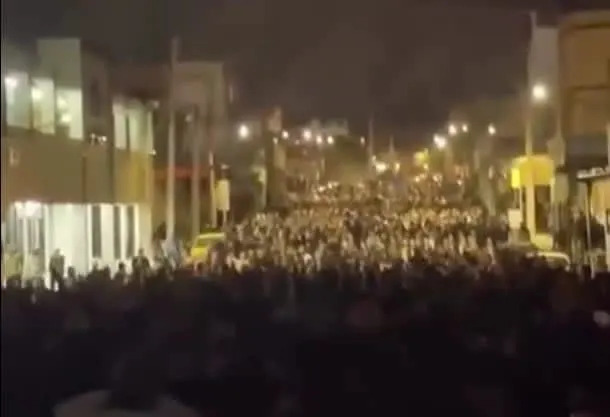
Protests across Iran have entered their eleventh day, with reports indicating that the death toll has reached at least 36 individuals. Among the most recent developments, Iranian authorities executed a man accused of spying for Israel, intensifying the already volatile situation. The ongoing demonstrations have spread to 92 cities in 27 provinces, leading to the arrest of over 2,076 people.
According to the Human Rights Activist News Agency (HRANA), of the confirmed deaths, 34 were demonstrators while two were security personnel. The significant rise in both fatalities and arrests marks a critical escalation in the protests, which began in response to various political and social grievances.
Execution of Alleged Spy Highlights Tensions
The executed individual, identified as Ali Ardestani, was reported by the Iranian judiciary’s media outlet, Mizan, to have provided sensitive information to the Israeli intelligence service, Mossad. The judiciary stated that his death sentence was carried out following approval from the Supreme Court and adherence to legal procedures. This execution reflects Iran’s ongoing strategy to confront what it perceives as threats from foreign intelligence agencies.
The increase in executions related to espionage has been notable this year, particularly following heightened tensions with Israel, which escalated in June 2023 when Israeli and U.S. forces targeted Iran’s nuclear facilities. Human rights organizations and some Western nations assert that the Iranian regime uses these espionage allegations as a means to gain leverage in international negotiations.
Arrests and Human Rights Concerns
Reports indicate that the Iranian Revolutionary Guards have detained numerous dual nationals and foreigners on espionage and security-related charges in recent years. Human rights advocates argue that these arrests are often politically motivated, aimed at suppressing dissent and controlling public narratives. Tehran, however, denies these claims, asserting that all arrests are justified under national security laws.
The situation in Iran remains fluid, with the possibility of further escalations in both protests and governmental responses. The international community watches closely as the Iranian government navigates this complex internal and external landscape, balancing security measures with the demands of its citizens.