Iran has stated its willingness to negotiate with the United States regarding its nuclear program but has firmly ruled out broader discussions at this critical juncture in U.S.-Iran relations. President Donald Trump has been advocating for these negotiations while simultaneously increasing military pressure, hinting at the possibility of deploying a second aircraft carrier group to the Middle East.
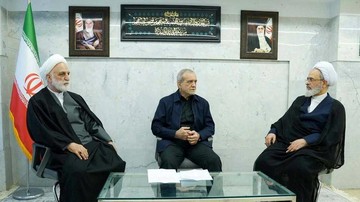
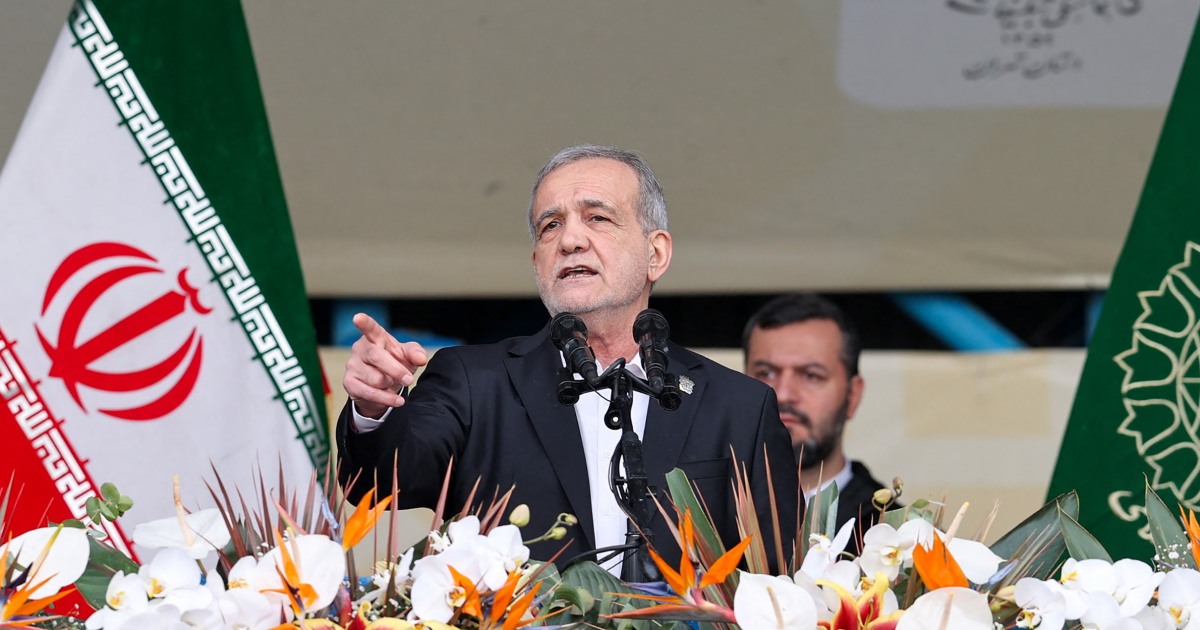
On February 7, 2024, President Trump was scheduled to meet with Israeli Prime Minister Benjamin Netanyahu, who is expected to advocate for the inclusion of Tehran’s ballistic missile arsenal in any potential agreement. Iranian officials regard this as a non-negotiable issue, with President Masoud Pezeshkian emphasizing, “We are not seeking nuclear weapons and we are ready for any kind of verification,” during a speech in Tehran commemorating the 47th anniversary of the Islamic Revolution.
The backdrop to these diplomatic efforts is marked by significant domestic unrest in Iran. As reported by the U.S.-based Human Rights Activists News Agency, the death toll from recent protests has reached nearly 7,000 individuals, though the Iranian government officially reported a significantly lower figure of 3,117 last month. The agency claims to validate each casualty through a network of activists on the ground, although independent verification remains challenging.
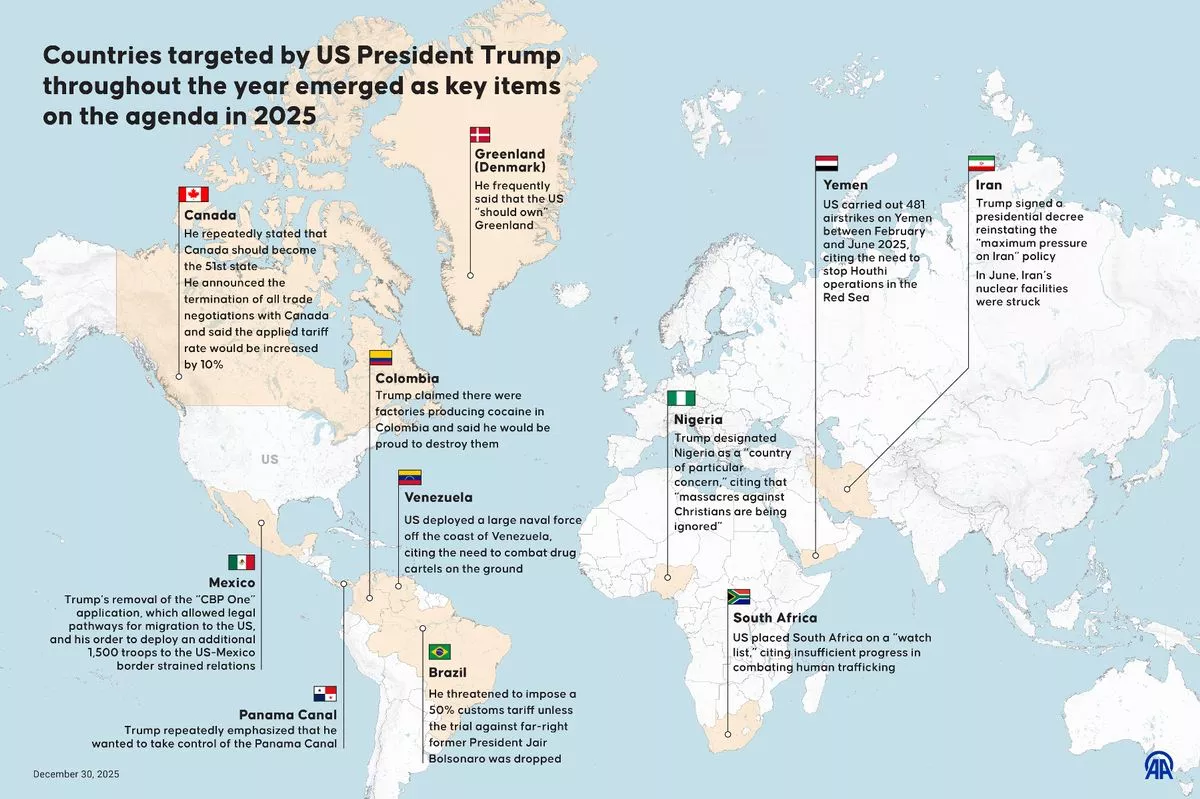
Trump has issued threats of intervention if the Iranian regime continues to suppress dissent violently. His administration has been reinforcing military assets in the region, including the USS Abraham Lincoln, which is already stationed in the Persian Gulf. During an interview with Axios, Trump remarked, “We have an armada that is heading there and another one might be going,” highlighting his administration’s strategy to exert pressure on Iran.
The urgency of the situation escalated when Trump warned that time was “running out” for Iran to negotiate a “fair and equitable deal” or face the consequences of a “massive armada” of American ships. In response, Iranian Foreign Minister Abbas Aragchi asserted that negotiation with the United States is the only viable option.
In a related development, Netanyahu’s visit to Washington was advanced following initial U.S.-Iran discussions held in Oman last week. The Israeli Prime Minister aims to persuade Trump that any agreement must not only restrict Iran’s nuclear capabilities but also address its ballistic missile program and support for regional militant groups, including Hamas and Hezbollah.
Trump has indicated that it is essential for any deal to encompass Iran’s nuclear activities, yet he has also expressed the need to tackle Iran’s missile stockpiles. Iranian officials, however, have categorically rejected negotiations concerning their missile capabilities, which are among the largest in the Middle East. Ali Shamkhani, an advisor to Iran’s Supreme Leader Ayatollah Ali Khamenei, reiterated that Iran’s missile capabilities are not open to discussion.
As tensions continue to mount, both sides seem entrenched in their positions, raising concerns about potential escalation in the already volatile region. The diplomatic landscape remains complex, with the possibility of further military posturing from the U.S. as both nations navigate the challenging waters of international diplomacy.