The Iranian Foreign Minister, Hossein Amir-Abdollahian, recently asserted that armed “terrorists” infiltrated the streets of Iran, attacking protesters and disappearing without a trace. This statement has sparked significant scrutiny and skepticism regarding the government’s narrative surrounding the violence that erupted during recent protests.
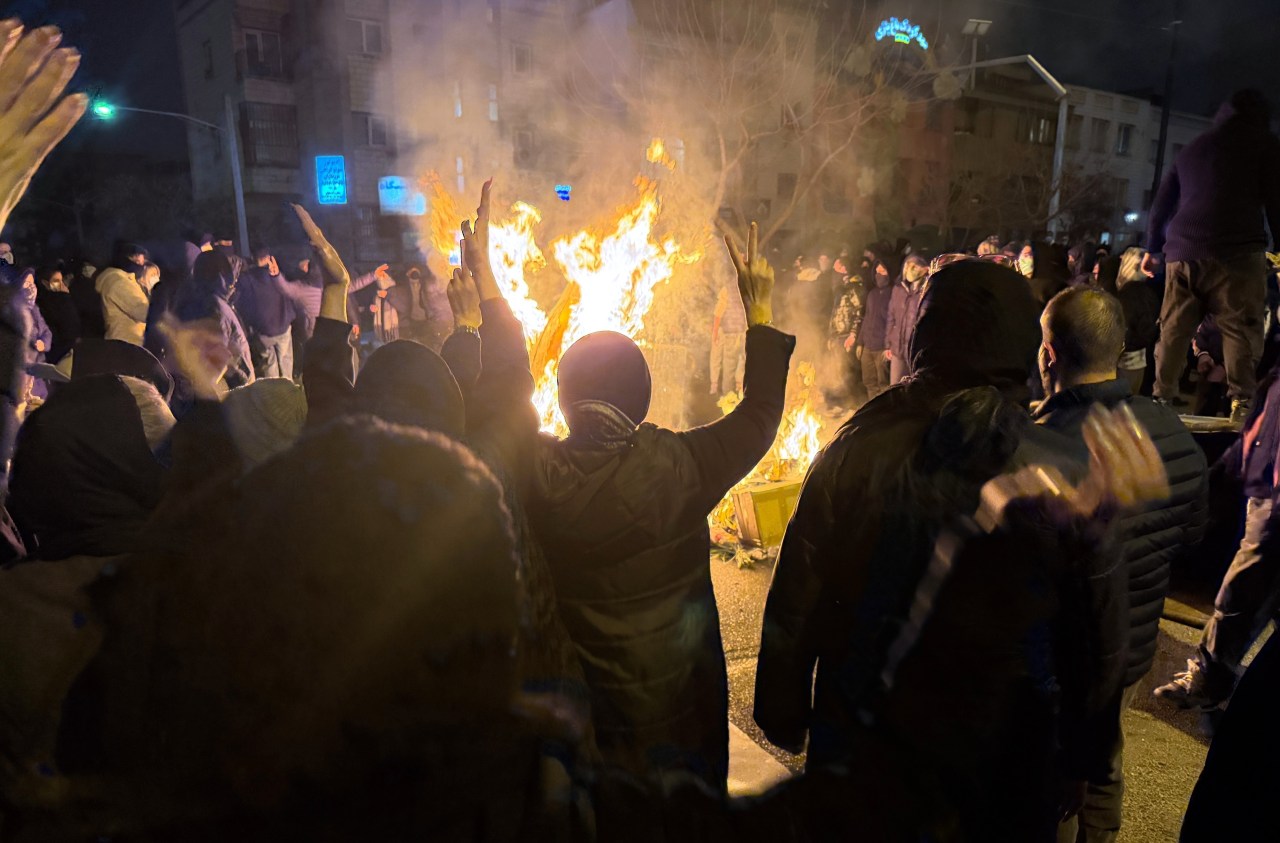
According to reports, protests began in early March 2024 in response to a variety of grievances, including economic hardships and calls for greater political freedoms. Witnesses and human rights organizations have highlighted that these demonstrations were met with force, leading to numerous injuries and fatalities. The Iranian government has faced backlash for its handling of the situation, with accusations of excessive use of force against civilians.
Claims and Counterclaims
Amir-Abdollahian’s comments suggest a complex backdrop where the Iranian government seeks to shift blame onto external forces, labeling them as terrorists. He stated, “These criminal elements targeted our citizens and then vanished,” emphasizing a narrative that underscores the threat posed by foreign interference. This framing raises questions about the government’s accountability in addressing the violence faced by its citizens.
Human Rights Watch has condemned the Iranian authorities for their response to the protests, urging the government to protect the rights of its citizens rather than resorting to violence. The organization has called for an independent investigation into the events that transpired, highlighting the need for transparency and accountability.
In a statement, the United Nations expressed concern over the ongoing violence and urged both the Iranian government and protesters to refrain from further escalation. The international community has been closely monitoring the situation, with various countries calling for a peaceful resolution to the unrest.
The Path Forward
As the situation develops, the Iranian government’s narrative will likely face increasing scrutiny from both domestic and international audiences. Activists inside Iran continue to demand justice for those affected by the recent violence, insisting on the need for reforms that address the underlying issues that led to the protests.
It remains to be seen how the Iranian government will respond to these calls for change. The actions taken in the coming weeks may determine the trajectory of civil rights in the country and the government’s relationship with its citizens. The international community is poised to continue its watchful approach, advocating for the rights of individuals and the need for accountability in the face of violence.
The aftermath of the protests and the government’s response could have lasting implications for Iran’s political landscape and its standing in the global community. As events unfold, the importance of clear communication and accountability will be paramount in addressing the concerns raised by both citizens and international observers.