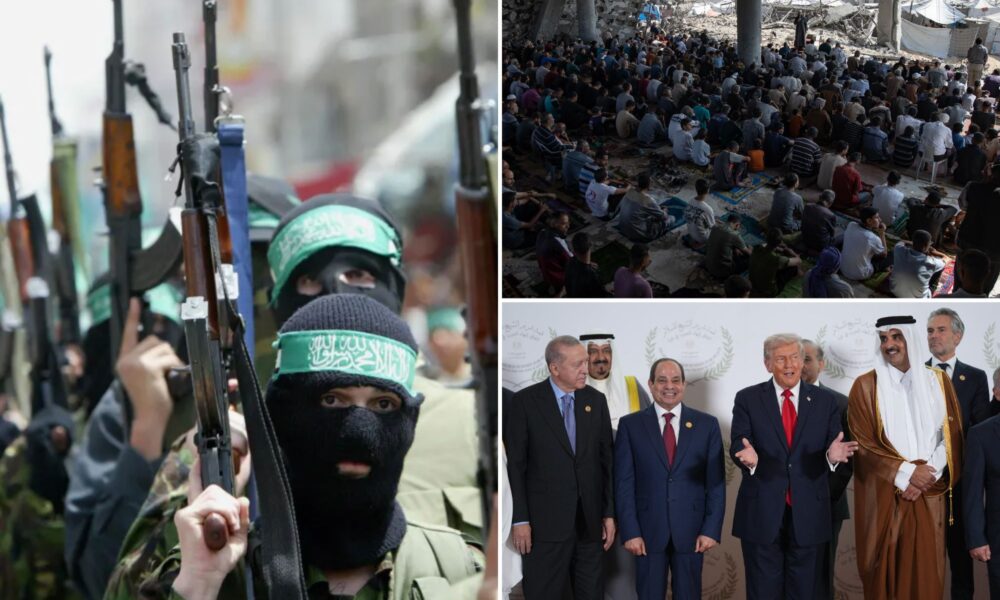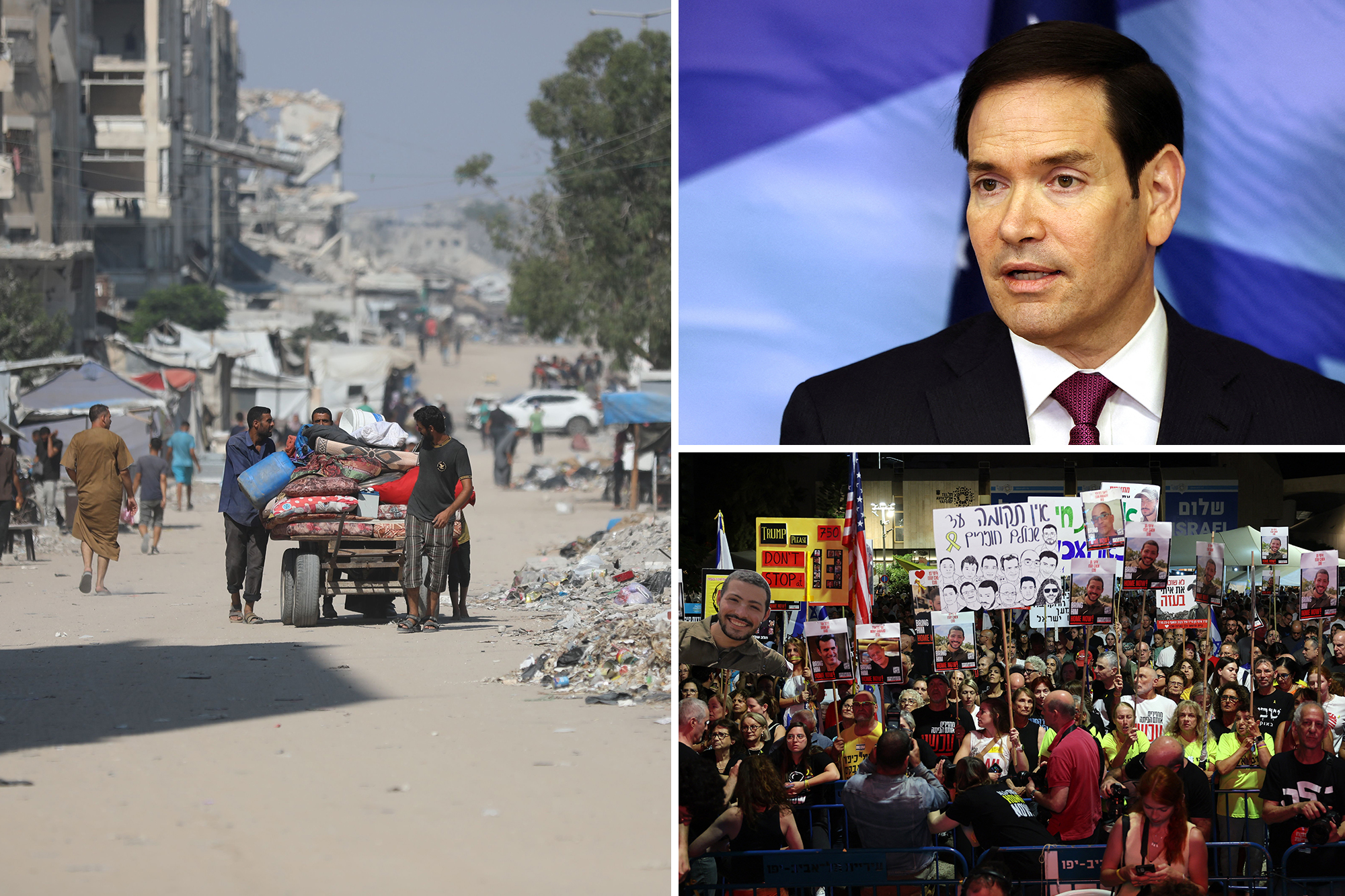
Israel announced on Tuesday that it has received human remains from Palestinian militants, who transferred them to the Red Cross. The remains’ identification status remains uncertain; officials have not confirmed if they belong to any of the three remaining hostages in the Gaza Strip. The office of Prime Minister Benjamin Netanyahu stated that the remains will undergo forensic testing for identification.
This transfer is part of the fragile ceasefire established on October 10, 2023, which has faced accusations of violations from both sides. The Palestinian Islamic Jihad reported that the remains were discovered earlier in Nuseirat, a refugee camp in central Gaza. Under the terms of the ceasefire, Palestinian militants have returned a total of 25 bodies of hostages, while Israel has released the bodies of 330 Palestinians, most of whom remain unidentified.
Pressure is mounting on Hamas to expedite the retrieval of hostages’ remains, as Israeli officials claim that delays constitute a violation of the ceasefire agreement. According to Netanyahu’s office, progress on the return of remains has been insufficient, leading to threats to resume military operations or restrict humanitarian aid if all remains are not accounted for.
As of now, the hostages still unaccounted for include two Israelis and a Thai national. The Gaza Health Ministry has reported challenges in identifying the bodies returned by Israel, citing a lack of access to DNA kits. So far, only 95 bodies have been identified, raising concerns for families seeking closure.
Humanitarian Impact and Living Conditions in Gaza
The humanitarian situation in Gaza remains dire as families grapple with the aftermath of severe winter rains. Approximately 2 million people displaced by the conflict continue to face critical shortages of essential goods, such as food and winter supplies. Organizations like the United Nations have emphasized the need for Israel to ease restrictions on aid to alleviate the suffering.
The conflict escalated following a surprise attack by Hamas on southern Israel on October 7, 2023, which resulted in the deaths of around 1,200 people and the abduction of over 250 hostages. While a majority of hostages and their remains have been returned through various ceasefires, the toll of the conflict has been devastating. The Gaza Health Ministry reports that approximately 69,775 Palestinians have died, with another 170,863 injured as a result of Israel’s military response. The ministry’s figures do not differentiate between civilians and combatants, but they indicate that women and children make up a significant portion of the casualties.
Despite a lull in daily fighting, Israeli airstrikes continue in response to perceived ceasefire violations. On Tuesday, the Gaza Health Ministry reported that Israeli forces killed three individuals near Khan Younis. Additionally, bodies of 14 people were recovered from the rubble over the past 24 hours. These incidents bring the total death toll to 345 Palestinians since the ceasefire began.
International Response and Peacekeeping Efforts
In light of the ongoing conflict, planning for an international stabilization force is underway, following a recent U.N. mandate. Indonesia has announced preparations to contribute troops, with President Prabowo Subianto indicating that the country is ready to deploy 20,000 peacekeepers to Gaza at a moment’s notice.
General Agus Subianto, chief of the Indonesian Armed Forces, revealed that the contingent would include health, engineering, and mechanized support battalions. Additionally, Indonesia is preparing logistical support, including three hospital ships and a military transport aircraft.
The U.S. has outlined a 20-point plan aimed at establishing a transitional authority in Gaza, which includes provisions for governance and security, and envisions a potential path towards an independent Palestinian state.
As the situation in Gaza evolves, the international community continues to monitor the developments closely, with humanitarian organizations stressing the urgent need for aid and support for the affected populations.