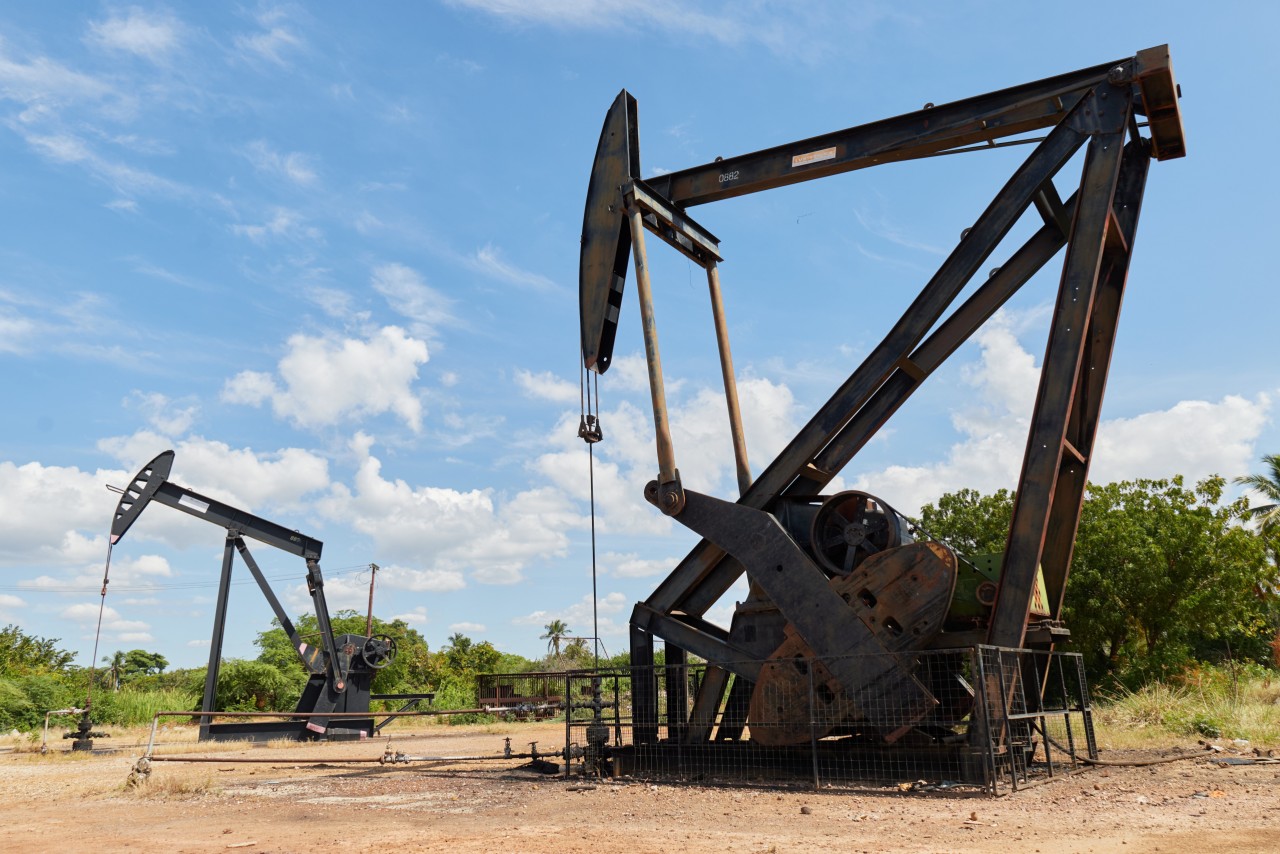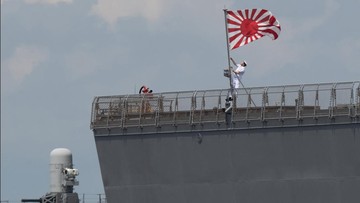
The Government of Japan is actively considering the deployment of warships to the Hormuz Strait to enhance the security of oil shipping routes in the region. This decision reflects Japan’s commitment to safeguarding its energy supply, as a significant portion of its oil imports pass through this strategic maritime passage.
Japan’s potential military involvement comes amid rising tensions in the Middle East, particularly regarding the safety of maritime operations. The Hormuz Strait, located between Iran and Oman, is a critical chokepoint for global oil transportation, with approximately 20% of the world’s oil passing through it daily.
Strategic Considerations for Deployment
Japanese officials have indicated that the deployment of naval vessels aims to deter potential threats to commercial shipping. This initiative aligns with Japan’s broader strategy to play a more proactive role in international security, especially in regions vital to its national interests.
The Japanese Defense Minister, Yasukazu Hamada, stated in a recent briefing that the government is assessing the situation closely. He emphasized that ensuring the safety of maritime navigation is paramount for Japan, which relies heavily on oil imports to fuel its economy. As of 2023, Japan imports around 90% of its crude oil, making its energy security a top priority.
Japan’s consideration to send warships to the Hormuz Strait signifies a shift in its defense posture, moving beyond its historical constraints on military engagement. This decision has the potential to enhance Japan’s alliances with Western nations, particularly the United States, which has long sought greater burden-sharing among its allies in maintaining stability in the region.
International Reactions and Implications
The international community is closely monitoring Japan’s deliberations. Sending warships could lead to increased tensions with Iran, which has previously warned against foreign military presence in the area. Iran’s military doctrine emphasizes the defense of its territorial waters, and any foreign military activity could be perceived as a provocative measure.
Experts suggest that Japan’s involvement might also influence the dynamics of regional security. The presence of Japanese naval vessels could serve as a stabilizing factor, reassuring other nations that shipping routes will remain secure. Additionally, it may encourage other countries to contribute to maritime security efforts.
As Japan weighs its options, the government is likely to consult with key allies to coordinate a response that balances national interests with regional stability. The outcome of these discussions will be critical in shaping Japan’s future role in international security and maritime operations in the Middle East.
In conclusion, Japan’s potential deployment of warships to the Hormuz Strait highlights the growing importance of maritime security in an increasingly volatile geopolitical landscape. As this situation develops, the world will be watching closely to see how it impacts global oil markets and international relations in the region.