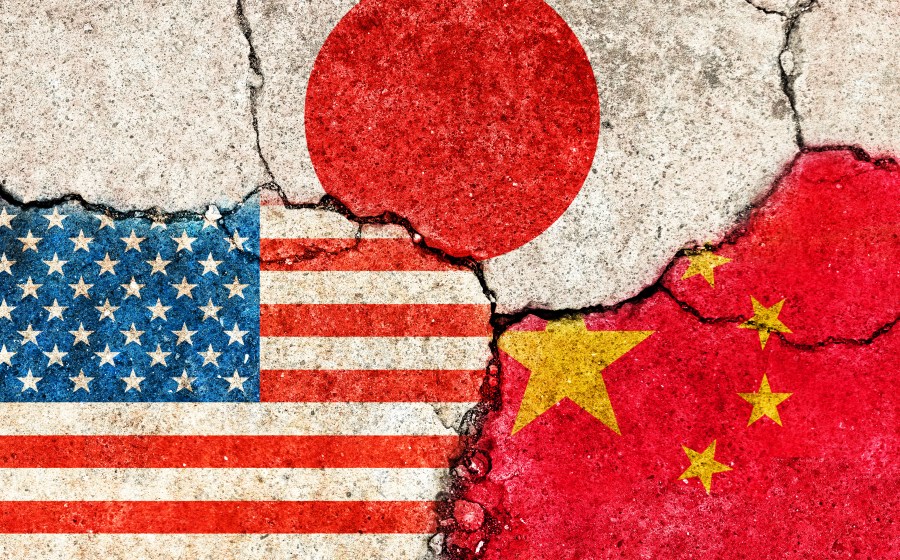
The Japanese government is calling for immediate relief from trade tariffs imposed by the United States, raising concerns over the implications of ongoing trade negotiations. In a statement released on March 15, 2024, officials expressed frustration that the current approach appears to prioritize trade with China over security commitments to U.S. allies, including Japan.
Japan’s Prime Minister, Fumio Kishida, emphasized that the ongoing tariffs are detrimental to both economies and could hinder cooperation on critical security matters. The tariffs, which were introduced during the previous administration, have created a tense atmosphere for trade relations between Japan and the United States.
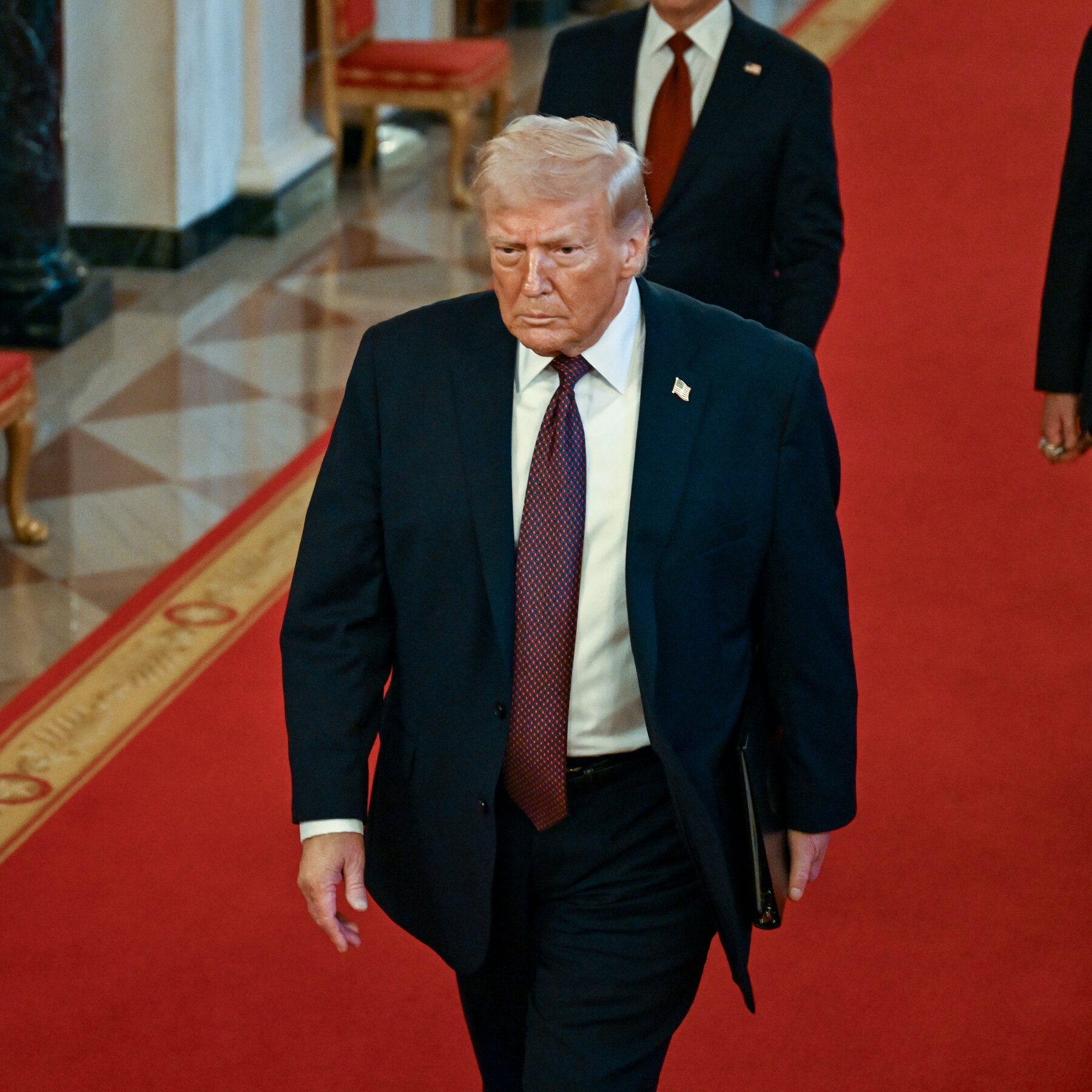
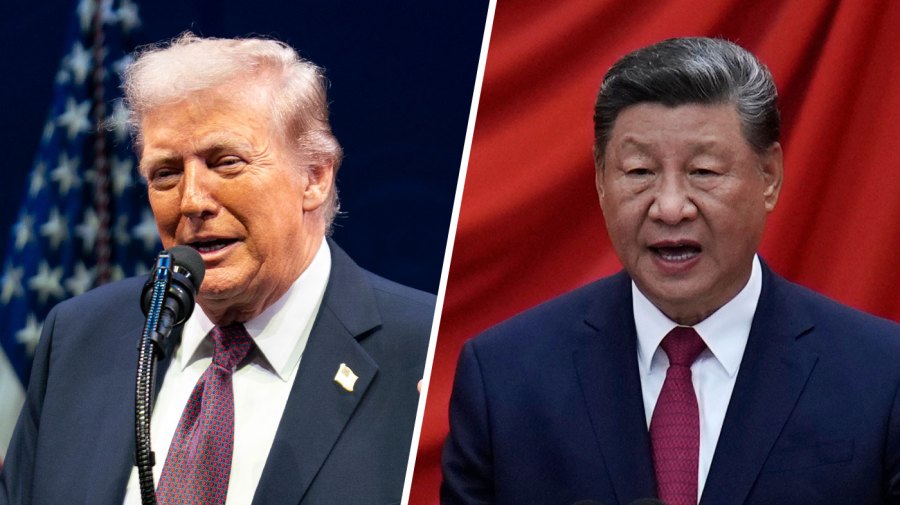
The challenge lies in the recent signals from the U.S. administration, notably from former President Donald Trump, who has suggested that trade negotiations with China are taking precedence. This stance raises questions regarding U.S. commitments to its allies in the Asia-Pacific region, particularly in light of China’s growing influence.
Trade experts warn that delaying tariff relief could further strain Japan-U.S. relations. According to a report from the Japan External Trade Organization, the tariffs have already cost Japan’s economy approximately $1.2 billion in reduced exports to the United States. This figure underscores the urgency for a resolution to avoid long-term economic repercussions.
Implications for U.S.-Japan Relations
The ongoing negotiations come at a time when regional security is increasingly fragile. Japan relies on the U.S. for military support, particularly in the face of North Korea’s missile tests and China’s assertive territorial claims. The perception that trade interests are overshadowing security commitments could lead to further instability in the region.
Kishida has urged a balanced approach that recognizes the intertwined nature of trade and security. “We must ensure that our economic ties do not compromise our security arrangements,” he stated during a recent press conference in Tokyo.
The Japanese government is advocating for a swift resolution to these tariff issues. Officials are in discussions with U.S. counterparts to address the impact of tariffs on various sectors, including agriculture and technology. Japan’s agricultural exports to the U.S. have seen significant declines, with a reported drop of 25% in beef exports since the tariffs were implemented.
Future Prospects
As negotiations continue, both countries are under pressure to find common ground. The upcoming G7 summit, scheduled for June 2024 in Hiroshima, presents a critical opportunity for leaders to address these trade challenges directly. Analysts suggest that a unified approach among G7 nations could strengthen their collective bargaining power against China and enhance overall economic stability.
In response to Japan’s calls for relief, U.S. officials have stated that they are reviewing the situation but have not committed to any specific timelines for tariff adjustments. The outcome of these discussions will significantly impact not only U.S.-Japan relations but also the broader economic landscape in the Asia-Pacific region.
The ongoing dialogue highlights the complex interplay between trade and security in international relations. As both nations navigate these challenges, the stakes remain high, and the need for timely action is evident.