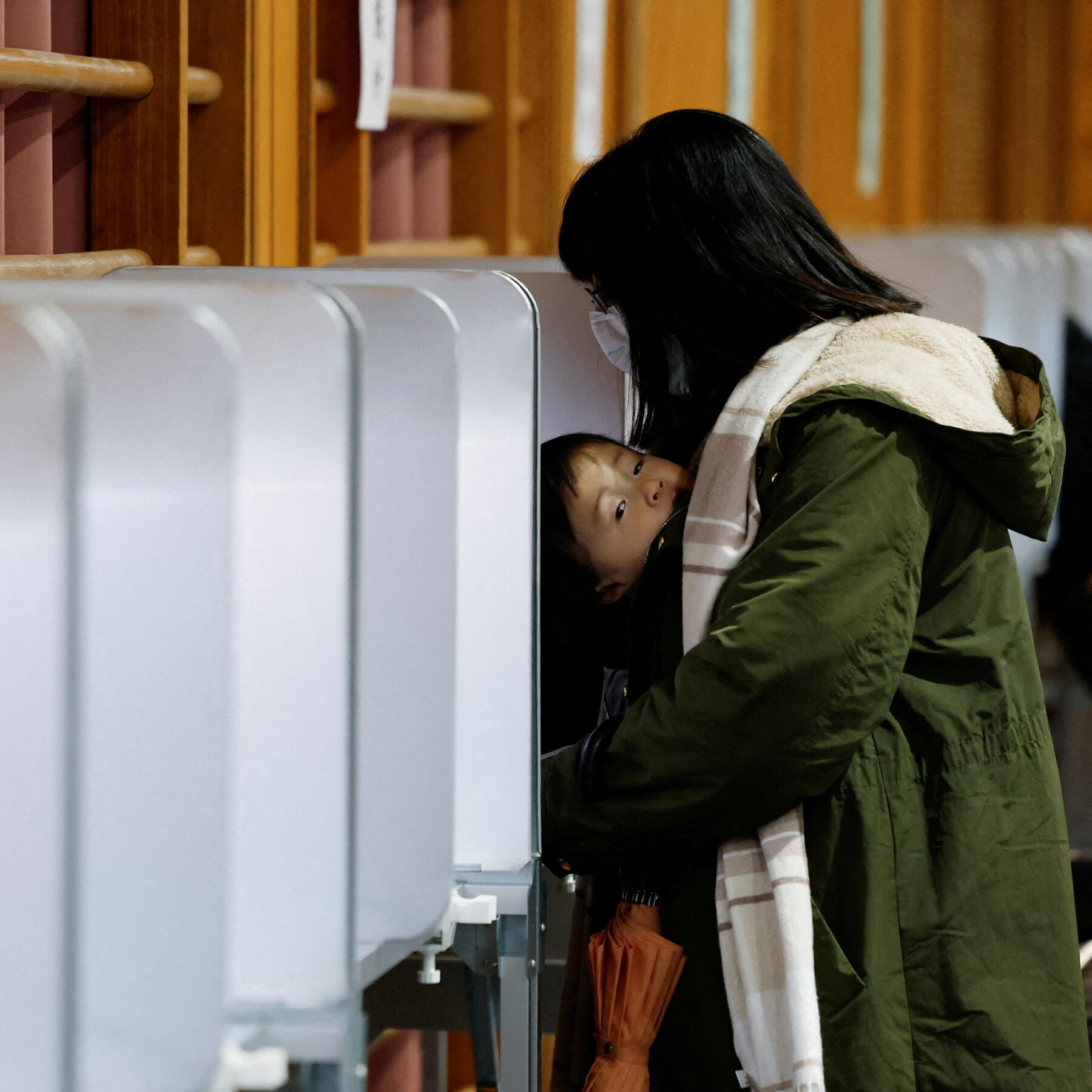
Voters across Japan faced challenging weather conditions as they headed to the polls on January 21, 2024, for a snap election that has significant implications for the country’s political landscape. Prime Minister Sanae Takaichi, who leads the ruling party, is seeking a decisive mandate to solidify her leadership.
As snowstorms blanketed much of the nation, turnout was projected to be robust, with exit polls indicating that Takaichi’s party was on track for a substantial victory. This election represents a critical moment for Takaichi, who only recently assumed the role of Prime Minister, and her performance could determine her party’s direction moving forward.
The political stakes are notably high. Analysts have emphasized that this snap election is more than just a vote; it is a reflection of public sentiment towards Takaichi’s policies and leadership style. Voter turnout is a vital indicator of public engagement, and despite the inclement weather, many citizens made the effort to participate.
Impact of Weather on Voter Turnout
Despite the adverse weather conditions, preliminary reports suggest that voter turnout may exceed expectations. Historically, severe weather can deter voters, but the determination displayed by many individuals indicates a strong desire to influence the future of Japan. The ability of Takaichi’s party to galvanize support under such conditions will be closely scrutinized.
Polling stations across major cities, including Tokyo and Osaka, reported a steady flow of voters, showcasing a commitment to civic duty. Observers have noted that the turnout could signal a shift in political momentum, particularly if Takaichi’s party secures a significant majority.
Exit Polls and Projections
Exit polls conducted by various organizations reveal a favorable outlook for Takaichi’s party. According to data from the Japan Times, projections show that the ruling party is poised to win upwards of 60% of the seats available in the election. This would mark a strong endorsement of Takaichi’s leadership and her party’s platform.
Political analysts have pointed to various factors contributing to this projected success, including a focus on economic recovery and public health initiatives. The Prime Minister’s handling of recent crises appears to resonate with voters, many of whom are eager for stability and growth in the post-pandemic era.
As results come in, the implications of this election could reshape Japan’s political landscape. Should Takaichi achieve the anticipated victory, she will likely face increased pressure to implement her agenda swiftly and decisively, further solidifying her position within the party and the broader political arena.
The outcome of this snap election is expected to be announced later in the evening, with the nation keenly awaiting the results that will define the immediate future under Sanae Takaichi‘s leadership.