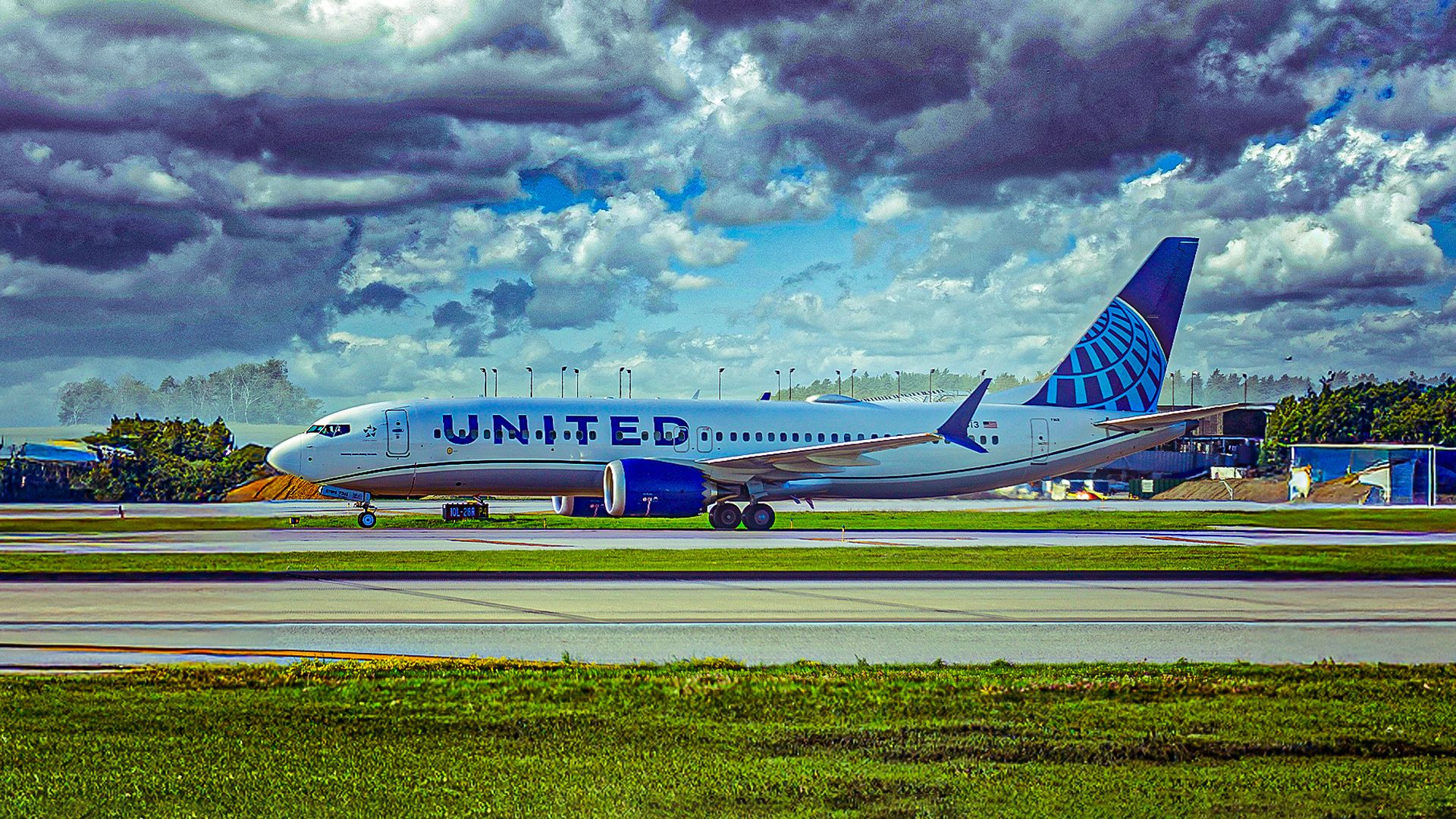
A JetBlue Airways Airbus A320 experienced a critical close call with a United States military refueling tanker on March 15, 2024, while flying over Curaçao. The tanker, reportedly operating with its transponder switched off, came within a few miles of the passenger jet at a similar altitude, prompting the flight crew to take immediate defensive measures to avert a potential mid-air collision.
The incident raises significant concerns about air traffic safety, particularly regarding the operation of military aircraft without active transponders. Transponders are crucial devices that help air traffic control and other aircraft track the position and altitude of planes. The failure to activate this device on the military tanker not only jeopardized the safety of the JetBlue flight but also posed risks to other aircraft in the vicinity.
JetBlue flight 1234, which was en route to Fort Lauderdale, had approximately 150 passengers on board at the time of the encounter. According to reports from the flight crew, the tanker was flying at a similar altitude when the close proximity became apparent. The crew quickly responded with evasive maneuvers to ensure the safety of all individuals on board.
In the wake of the incident, aviation experts have called for a review of protocols concerning military aircraft operations, especially those that may intersect with commercial air traffic. The Federal Aviation Administration (FAA) has stringent regulations regarding transponder use, and the lack of compliance by military flights raises questions about enforcement and oversight.
The US Department of Defense has yet to comment on the incident or provide clarification regarding the circumstances surrounding the tanker’s operations. As investigations continue, there is growing pressure for transparency and accountability in military aviation practices.
This incident is not isolated; it reflects an ongoing concern about the interactions between commercial and military flights. Previous incidents have prompted discussions about the need for improved communication and coordination between military and civilian aviation authorities.
As air travel continues to rebound post-pandemic, ensuring the safety of passengers remains paramount. The JetBlue incident underscores the importance of strict adherence to aviation regulations to prevent future close calls. Enhanced training for flight crews and military personnel alike may be necessary to mitigate potential risks associated with air traffic management.
While there were no injuries reported in this incident, it serves as a stark reminder of the potential dangers present in the skies. As investigations unfold, stakeholders in the aviation industry will likely be monitoring developments closely, advocating for measures to enhance safety and prevent similar occurrences in the future.