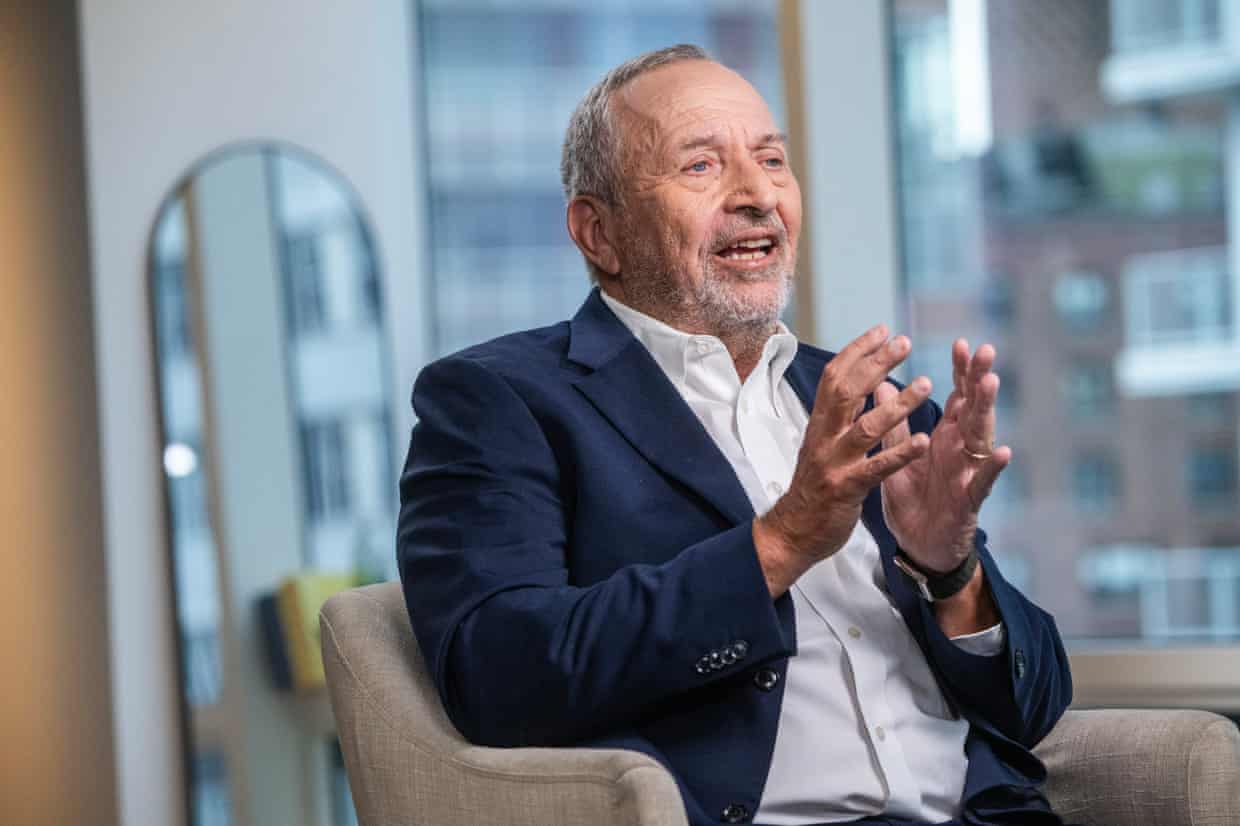
Larry Summers, the former president of Harvard University, will resign from his teaching position at the end of the academic year. This decision follows the ongoing review by Harvard into documents related to Jeffrey Epstein, which were recently disclosed by the government. A spokesperson for Harvard, Jason Newton, confirmed the resignation in a statement provided to the Guardian.
In addition to his teaching role, Summers has also stepped down as co-director of the Mossavar-Rahmani Center for Business and Government at the Harvard Kennedy School. He has held this position since 2011 but will remain on leave until the conclusion of the academic year. The announcement was first reported by the student newspaper, Harvard Crimson.
Summers, a prominent economist and former US Treasury Secretary, initially announced in November 2025 that he would cease teaching while the university conducted its investigation into the Epstein documents. In his statement, Summers reflected on his decision, stating that it was “difficult.” He expressed gratitude for the “thousands of students and colleagues” he has had the privilege to teach and work with since arriving at Harvard as a graduate student 50 years ago. He added, “Free of formal responsibility, as President Emeritus and a retired professor, I look forward in time to engaging in research, analysis, and commentary on a range of global economic issues.”
The scrutiny surrounding Summers intensified following the release of emails by the US House oversight committee in 2025, which shed light on his association with Epstein. These emails reignited public interest in their relationship, which reportedly continued until shortly before Epstein’s arrest in July 2019 on charges related to sex trafficking minors. Notably, in one email from 2018, Epstein referred to himself as Summers’ “wingman” while offering advice on pursuing a romantic relationship with a woman identified as a mentee of Summers.
As the investigation into the documents progresses, Summers’ resignation marks a significant moment for Harvard, reflecting the ongoing challenges the institution faces in navigating its complex history with Epstein. The university’s review and its implications for faculty and institutional integrity continue to unfold.