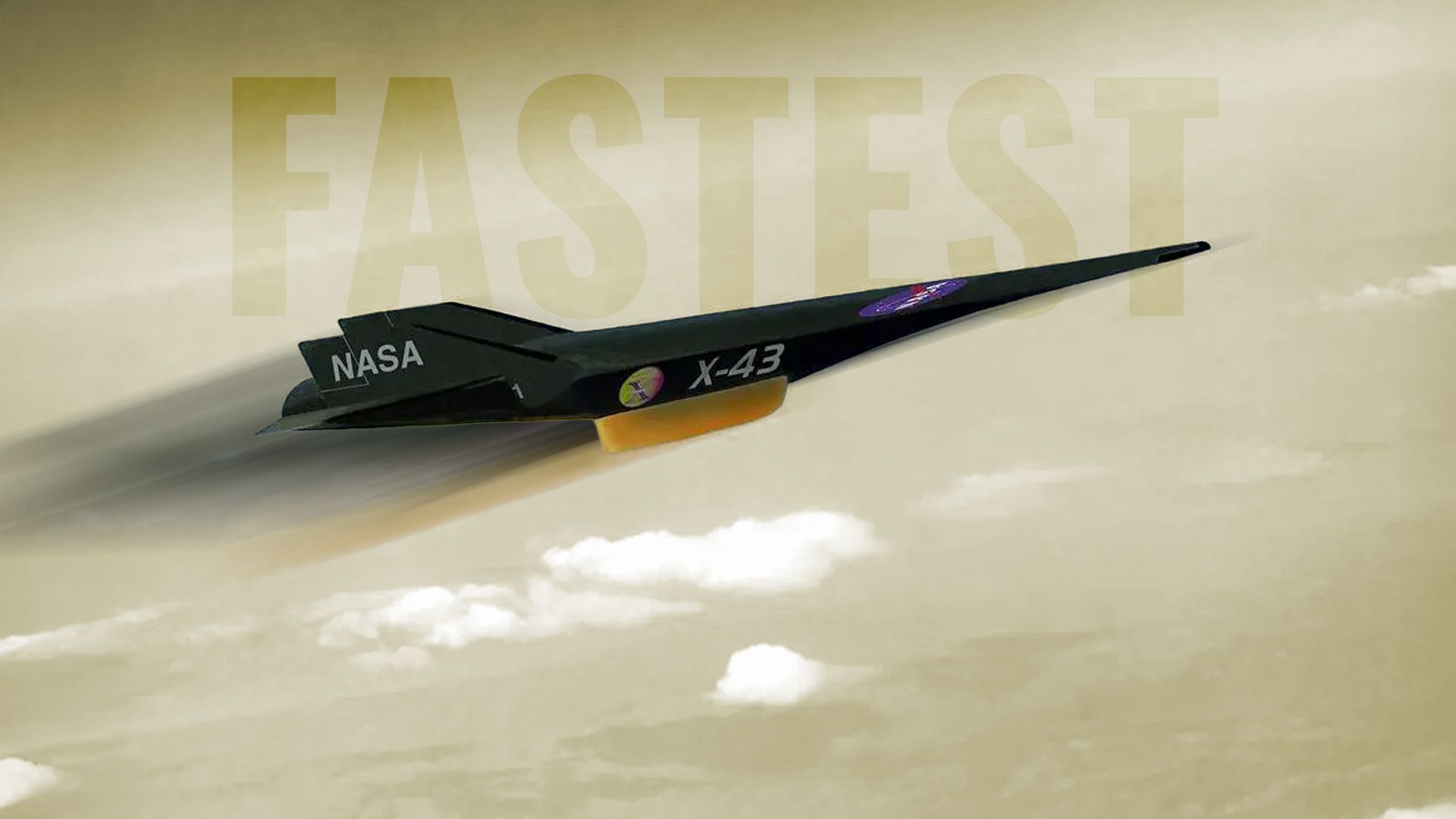
NASA’s X-43, an experimental unmanned hypersonic aircraft, has secured its place as the fastest air-breathing vehicle ever constructed. Achieving remarkable speeds, the X-43 reached a record of Mach 9.6 during its second successful flight on November 16, 2004. This aircraft is part of a groundbreaking initiative to explore the potential of hypersonic flight, a field that has attracted significant global interest amid ongoing developments in aerospace technology.
The X-43 program, which spanned eight years and cost approximately $230 million, was designed to tackle the complexities of hypersonic travel. Initially launched from a B-52 Superfortress, the X-43 utilized a scramjet engine to achieve its unprecedented speed. Scramjets differ from traditional rocket engines by using atmospheric oxygen for combustion instead of carrying their own oxidizers, allowing for a lighter and more efficient design. This technology is pivotal for future hypersonic applications, including potential commercial travel.
Flight History and Achievements
Only three X-43 aircraft were built, each engineered to operate at varying Mach numbers. The first flight, conducted on June 2, 2001, ended in failure due to a malfunction during the launch sequence. Following this setback, NASA successfully executed two flights in 2004. On March 27, 2004, the second aircraft reached Mach 6.8, and the third, designed to achieve Mach 10, hit Mach 9.6 later that year.
During these flights, the scramjet engines operated for approximately ten seconds, propelling the X-43 to record-breaking speeds before gliding and ultimately crashing into the ocean as planned. Despite the limited number of flights, the data gathered has been invaluable for advancing hypersonic technology.
The previous speed record was held by the SR-71 Blackbird, which achieved Mach 3.2. The X-43’s performance has sparked renewed interest in scramjet technology, with potential applications in both military and civilian sectors.
Future of Hypersonic Technology
As nations race to develop hypersonic capabilities, the X-43 stands as a landmark in aerospace history. Countries such as Australia are collaborating with NASA and other partners to explore advancements in hypersonic vehicles. Australian startup Hypersonix is working on a scramjet engine that could reach speeds of Mach 12, which has drawn investment from the British Ministry of Defence and the United States.
While the focus on hypersonic missiles has intensified, many companies are also exploring the use of scramjet technology for commercial travel. The potential for hypersonic passenger flights represents a significant leap forward in aviation capabilities.
The legacy of the X-43 is not only defined by its speed but also by the advancements it has inspired in hypersonic flight. As research continues, the quest for faster, more efficient air travel remains a primary objective for aerospace engineers and scientists worldwide. The X-43’s achievements underscore the importance of innovation in pushing the boundaries of what is possible in aviation and space exploration.